
Best practices for data destruction: Protecting student privacy
As schools and universities increasingly modernize their data-protection frameworks with solutions such as Pimloc’s Secure Redact, attention is shifting beyond storage and access control to include secure end-of-life data handling.
Without structured data destruction policies, even the strongest cybersecurity programs remain incomplete.
To support institutions seeking the best ways to protect student data privacy, this guide will outline the most effective best practices for destroying student records securely, whether in physical or digital form.
Why secure data destruction matters in education
Student records contain personally identifiable information (PII) that remains sensitive long after a student graduates or leaves an institution. These records may include:
Academic transcripts
Health and special education files
Disciplinary records
Financial aid documentation
Contact and identity verification data
If these records are destroyed improperly, unauthorized parties may gain access to information that can lead to identity theft, fraud, or legal liability for the institution.
In the United States, regulations such as FERPA require institutions to safeguard education records throughout their lifecycle, including during disposal. Failure to do so may result in investigations, corrective actions, reputational damage, and loss of trust from students and families.
Protect student privacy through controlled redaction and secure data disposal.

1. Establish clear data retention and destruction policies
Secure data destruction begins with knowing when records should be destroyed. Institutions should establish written data retention schedules that define:
How long each type of student record must be retained
Legal and regulatory retention requirements
Archiving procedures
Authorized destruction timelines
Retention policies should align with federal, state, and institutional guidelines. Holding records longer than required increases exposure risk and storage costs without providing operational value.
Once the retention period expires, records should enter a controlled and documented destruction workflow.
2. Identify all locations where student data is stored
Student data is rarely stored in one place. It exists across:
Student information systems
Email servers
Cloud storage platforms
Local devices and laptops
USB drives and portable storage
Paper filing systems
Backup servers
Before destruction can take place, institutions must locate all copies of the records. Failure to account for shadow copies, cached files, or backup systems is a major reason data survives long after it should have been deleted.
3. Use secure physical destruction methods for paper records
Paper records remain a persistent risk area in educational environments. Simply placing documents in recycling bins or general waste containers leaves them vulnerable to unauthorized access.
Approved physical destruction methods include:
Cross-cut shredding
Pulping
Incineration through certified vendors
Locked shredding consoles with scheduled collection
Institutions should ensure that staff understand that all records containing student PII require secure destruction, regardless of perceived sensitivity.
4. Apply certified digital wiping for electronic records
Deleting a file does not remove it from a digital system. Standard deletion only removes the file’s reference, not the data itself. Proper digital data destruction requires certified wiping tools that overwrite storage media.
Best practices for electronic destruction include:
Using approved data-wiping software that meets industry standards
Overwriting data multiple times
Verifying wipe completion through audit reports
Physically destroying failed or obsolete drives
This applies to desktops, laptops, servers, and portable devices that previously stored student information.
5. Maintain clear chain-of-custody documentation
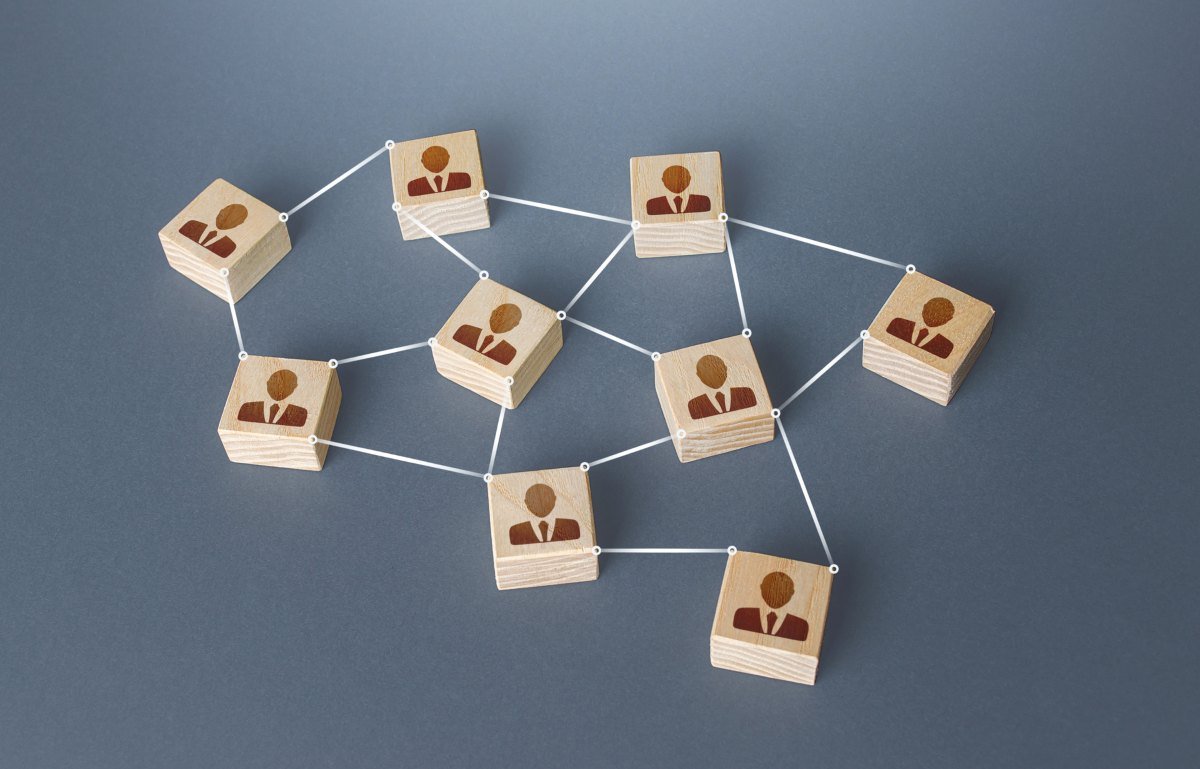
All data destruction activities should be documented to ensure accountability and audit readiness. Chain-of-custody records should include:
Date of destruction
Type of records destroyed
Method used
Personnel involved
Third-party vendor certification (if applicable)
Documented evidence is essential when responding to regulatory reviews, data-subject requests, or internal audits.
6. Strengthen third-party vendor oversight
Many institutions rely on external vendors for document shredding, electronic disposal, cloud hosting, and IT asset recovery. These partnerships introduce additional risk if not properly governed.
Vendor management should include:
Security due diligence before engagement
Written contracts with destruction standards
Breach notification obligations
Proof of certified destruction
Ongoing compliance reviews
Without vendor oversight, institutions remain exposed even if their internal processes are sound.
7. Integrate secure data destruction into incident response plans
Data destruction is not limited to scheduled disposal. It may also be required following:
Data breaches
System decommissioning
Device loss or theft
Emergency system migrations
Incident response plans should include clear procedures for secure data removal during crisis scenarios to reduce post-incident exposure.
8. Train staff on secure disposal responsibilities
Staff members often unknowingly create risk by storing sensitive data on personal devices, local drives, or paper copies outside approved systems. Training programs should ensure that staff understand:
What qualifies as sensitive student data
Approved destruction methods
When destruction is required
How to escalate uncertain cases
Without staff awareness, even the best technical controls can be undermined by unsafe disposal practices.
9. Secure data during disclosure and redaction workflows
Before records are destroyed, institutions are often required to share them for audits, legal reviews, or public records requests. During this stage, improper redaction can expose sensitive data even if final destruction is performed correctly.
Manual processes remain highly prone to error. Automated redaction tools allow institutions to identify and remove sensitive elements across documents, emails, scans, and attachments before disclosure.
By integrating technologies such as Pimloc’s Secure Redact into pre-destruction workflows, institutions reduce the likelihood that sensitive data will be inadvertently disclosed during compliance reviews.
This also supports institutions seeking to improve school compliance with automated tools across their broader data-handling operations.
10. Regularly audit data destruction practices
Policies alone are not sufficient. Institutions should regularly test and audit their data destruction programs by:
Reviewing destruction logs
Sampling completed wipe certifications
Testing random devices for recoverable data
Assessing vendor performance
Identifying process gaps
Audits provide institutions with confidence that destruction controls operate as intended and allow early identification of procedural weaknesses.
The role of technology in secure data destruction
As education becomes increasingly digital, data destruction is no longer limited to paper shredders and hard drive disposal. Cloud platforms, email systems, shared drives, and collaboration tools all introduce new destruction challenges.
Automation plays a growing role in ensuring consistent application of destruction policies. When paired with redaction, classification, and retention automation, institutions can create unified data lifecycle governance frameworks that significantly reduce long-term privacy exposure.
Final thoughts
Secure data destruction is one of the most overlooked yet essential pillars of student privacy protection. Without structured destruction processes, sensitive records remain vulnerable long after their operational purpose has ended.
By implementing clear retention schedules, applying certified physical and digital destruction methods, strengthening vendor oversight, training staff, and using automation to support secure disclosure and redaction workflows, institutions can adopt the best ways to protect student data privacy across the full data lifecycle.
When secure destruction is embedded into daily operations and supported by modern technology such as Pimloc’s Secure Redact, schools and universities place themselves in a stronger position to meet FERPA obligations, reduce breach risk, and maintain long-term trust with their communities.