
Complying with FERPA: the video redaction imperative in Education

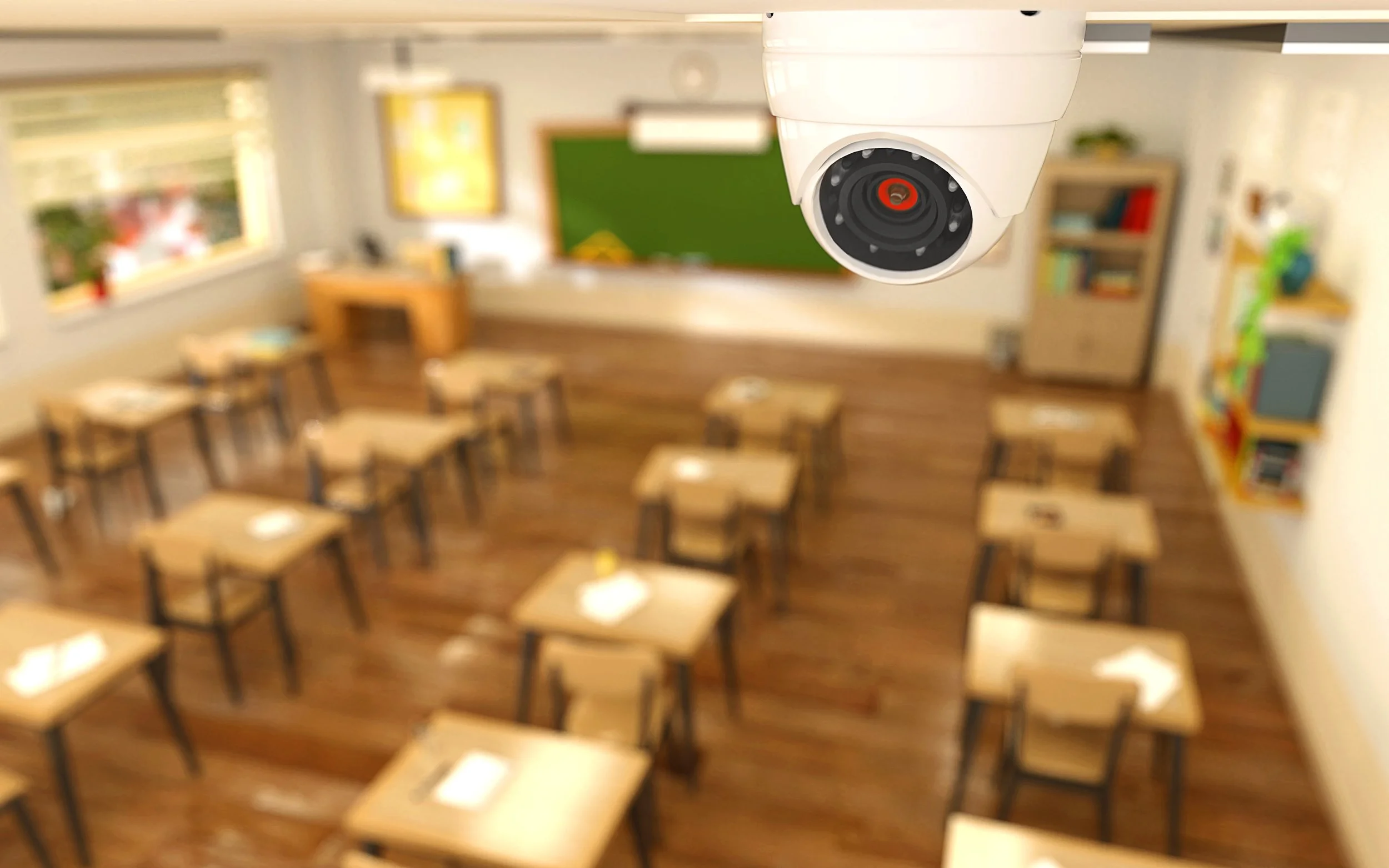
Educational institutions navigate a digital world saturated with images and video. From security systems monitoring campuses to recordings documenting classroom interactions, visual media offers valuable resources for safety, training, and transparency. However, the Family Educational Rights and Privacy Act (FERPA) casts a clear directive on the handling of this data, particularly when it contains student information.
Understanding and adhering to FERPA’s specific guidance on images and video is not simply a matter of best practice; it’s a legal obligation with significant implications for schools and districts across the United States.
The cornerstone of FERPA is the protection of student education records, a definition that explicitly encompasses visual media when a student is the primary subject or when Personally Identifiable Information (PII) from their educational file appears within it. The Department of Education’s own guidance clarifies the complexities that arise when video records involve multiple students. As institutions grapple with requests to view such footage, the legal tightrope between providing access and safeguarding the privacy of all students becomes particularly evident.
FERPA’s mandate for access and redaction
FERPA mandates that a parent of a student (or an eligible student) has the right to inspect and review education records directly related to their child. When a video serves as an education record for more than one student, this right of access triggers a specific obligation for the educational agency or institution.
The law, as outlined in compels schools to provide this individual access to the content of the video.
Crucially, this access comes with a caveat. If the educational agency or institution can reasonably redact or segregate the portions of the video directly related to other students without destroying the meaning of the record, then they are legally required to do so before granting access.
This necessitates a careful and nuanced approach. Schools must assess whether technology and available resources permit the anonymization of other students’ faces, identifying characteristics, and voices without obscuring the context relevant to the requesting parent or eligible student.
Try our automated audio and video redaction solution today.

The limits of redaction: when full access becomes the requirement
However, FERPA acknowledges that redaction or segregation is not always feasible. If the process cannot be reasonably accomplished, or if altering the video in such a way would fundamentally undermine its meaning and context, then the legal obligation shifts. In such instances, the parents of each student to whom the video directly relates (or the students themselves if they are eligible) possess the right to inspect and review the entire record, even though it contains information about other students.
This provision underscores the importance of carefully considering the implications of capturing multi-student video in the first place. When incidents or activities involve groups of students, schools must anticipate potential access requests and understand the legal framework governing their response. The inability to reasonably redact can lead to broader access than initially intended, highlighting the need for proactive planning and robust redaction capabilities.
FERPA does include specific exceptions that permit the disclosure of student education records, including video, to law enforcement under certain circumstances. If there is a health and safety emergency, schools can release information if it is necessary to protect the health or safety of students or other individuals. Additionally, schools can disclose education records pursuant to a lawfully issued subpoena or court order, provided they make reasonable efforts to notify the parent or eligible student beforehand, unless the order specifically prohibits such notification. These exceptions recognize the need for schools to cooperate with law enforcement during investigations while still maintaining the fundamental protections afforded by FERPA in routine situations.
Navigating compliance with modern tools: the role of AI-powered redaction
The practical challenges of complying with FERPA’s video requirements, particularly the mandate for reasonable redaction in multi-student scenarios, necessitate the adoption of advanced technological solutions. Manual redaction, especially in complex video with numerous individuals, is often impractical and risks inconsistencies or the destruction of meaning – potentially leading to non-compliance.
AI-powered video redaction platforms, such as Pimloc’s Secure Redact, offer a pathway to navigate these legal obligations effectively. These tools employ sophisticated algorithms to automatically detect and anonymize faces, identifying features, and even voices within video footage with speed and precision. This enables educational institutions to:
Achieve reasonable redaction: Efficiently and accurately redact portions of video related to students not directly involved in a request, preserving the context for the requesting party.
Streamline access requests: Respond to parental or eligible student requests for video review in a timely and compliant manner, even when multiple students appear in the footage.
Maintain data integrity: Redact video in a way that minimizes disruption to the original meaning and context, ensuring the record remains useful for its intended purpose.
Reduce administrative burden: Automate a significant portion of the redaction process, freeing up staff time and resources for other critical tasks.
Pimloc’s Secure Redact platform empowers educational agencies and institutions to meet the specific demands of FERPA concerning images and video. By providing tools for intelligent and efficient redaction, we help schools balance the need to utilize visual data for safety, training, and transparency with the fundamental right to student privacy. Understanding the nuances of FERPA’s multi-student video guidance, coupled with the adoption of advanced redaction technology, is no longer optional – it’s essential for responsible and legally sound operation in today’s visually rich educational environment.