
7 AI-powered privacy protection systems for video in 2026

Video has become one of the most valuable sources of operational intelligence for businesses, government agencies, security teams, and infrastructure operators. At the same time, it has become one of the biggest privacy challenges. Modern cameras capture far more than incidents and activities - they also record faces, vehicle registrations, personal belongings, employee movements, and countless other forms of personally identifiable information (PII).
Artificial intelligence is helping organizations navigate this challenge. Rather than relying on manual review processes, AI-powered privacy protection systems can automatically identify sensitive information within video streams and recordings, enabling teams to extract insights while reducing privacy risks.
The best platforms now combine computer vision, analytics, automation, and privacy safeguards into a single workflow. Whether you're managing surveillance networks, public safety operations, transportation systems, or enterprise security programs, choosing the right solution can make a significant difference.
Here are seven AI-powered privacy protection systems worth considering in 2026.
Compare the top privacy protection systems
| Rank | Platform | Best For | Key Strength | Typical Environment | Average Rating |
|---|---|---|---|---|---|
| #1 | Secure Redact | Privacy protection, compliance, and disclosure workflows | AI-powered multi-modal redaction and governance | Public sector, law enforcement, insurance, enterprise | ★★★★★ |
| #2 | Scylla | Advanced security monitoring | Real-time threat detection and behavioral analytics | Critical infrastructure, security operations | ★★★★☆ |
| #3 | Eagle Eye Networks | Cloud video surveillance management | Centralized cloud-based camera oversight | Multi-site businesses and enterprises | ★★★★☆ |
| #4 | Veeam | Protecting and managing video data | Backup, recovery, and data resilience | Enterprise IT and compliance teams | ★★★★☆ |
| #5 | Avigilon | Intelligent surveillance ecosystems | Integrated analytics, hardware, and video management | Transportation, campuses, public infrastructure | ★★★★☆ |
| #6 | LVT | Rapidly deployable surveillance | Mobile security and remote monitoring solutions | Construction, events, temporary sites | ★★★★☆ |
| #7 | Axxon One | Large-scale video analytics | Deep AI-powered event detection and search | Enterprise security and monitoring centers | ★★★★☆ |
1. Secure Redact
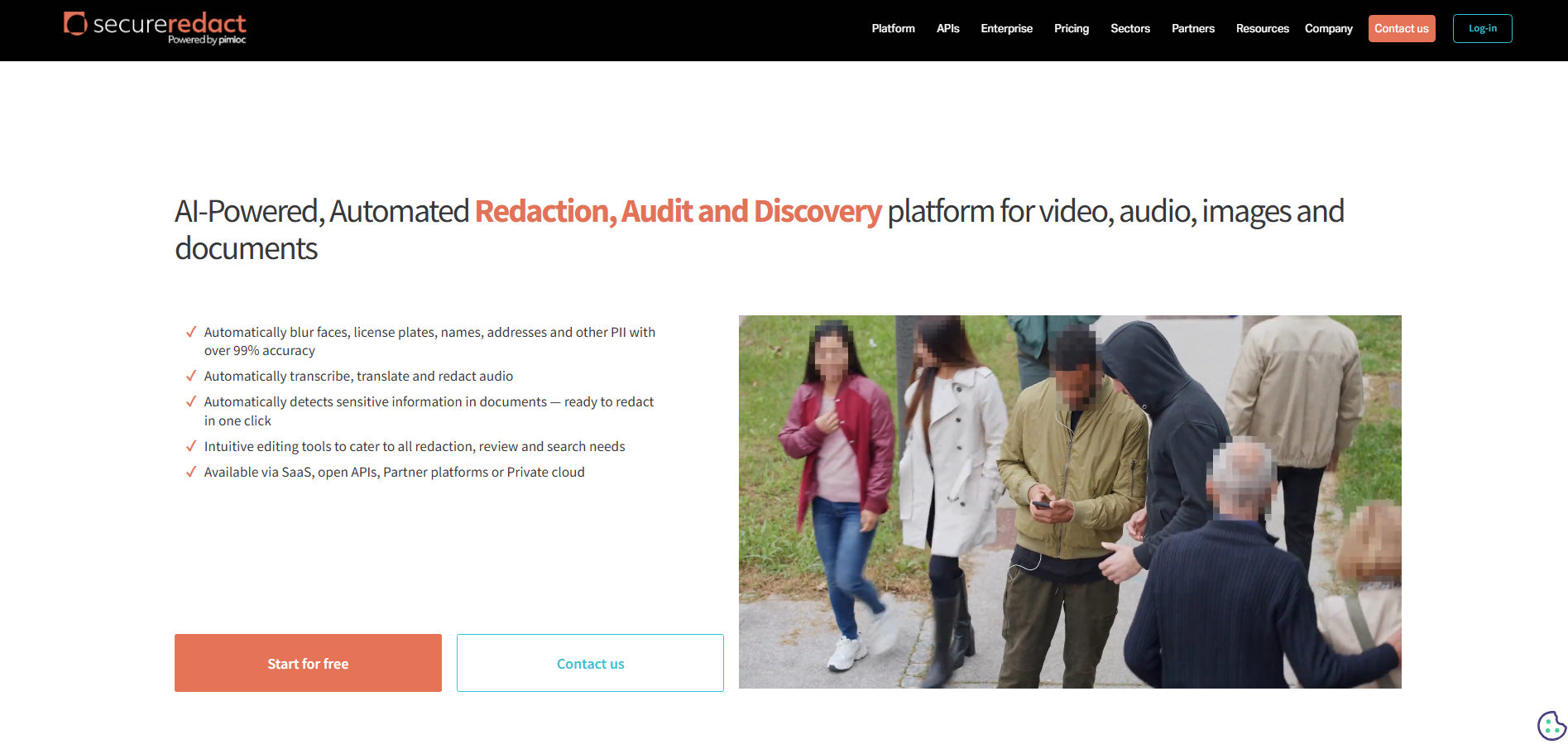
Pimloc's Secure Redact is purpose-built for organizations that need to protect privacy while continuing to use video, audio, images, and documents effectively. The platform uses AI to automatically detect and redact faces, licence plates, screens, documents, and other forms of sensitive information at scale. Unlike many privacy tools that focus solely on video editing, Secure Redact is designed to support enterprise workflows, compliance requirements, evidence disclosure processes, and subject access requests. Its ability to process large datasets efficiently makes it particularly attractive for public sector organizations and highly regulated industries.
Why It Stands Out
Many privacy tools concentrate on a single use case, such as face blurring or surveillance review. Secure Redact takes a broader approach by providing automated privacy protection across multiple media types while maintaining detailed auditability and governance controls. For organizations dealing with large volumes of sensitive content, that combination can significantly reduce manual workload.
Key Features
AI-powered detection of faces, licence plates, screens, and documents
Automated video, audio, image, and document redaction at scale
Subject access request (SAR) support, with subject access request
GDPR and privacy compliance workflows
Enterprise-scale processing capabilities
Detailed audit trails and compliance reporting
API integrations for existing video workflows
Cloud, hybrid, and private deployment options
Visit Secure Redact
2. Scylla
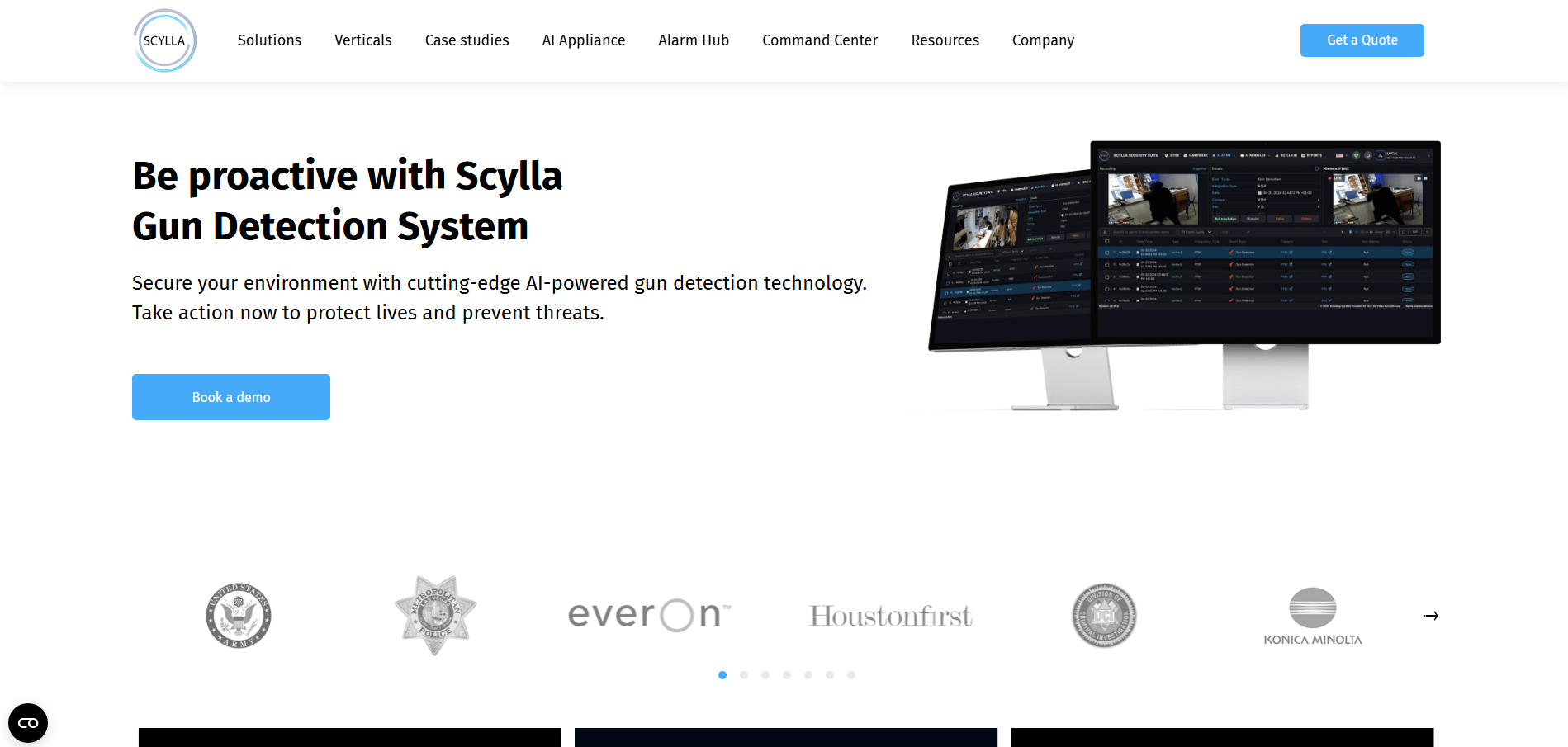
Scylla is best known for its AI-driven video analytics capabilities, particularly in security and threat detection environments. The platform analyzes live and recorded video feeds to identify unusual behavior, security incidents, and operational risks in real time. Its privacy capabilities are often deployed alongside advanced analytics, allowing organizations to balance surveillance objectives with responsible data handling practices. This makes it particularly relevant for large-scale security operations.
Why It Stands Out
Where Scylla excels is its ability to combine situational awareness with automated analysis. Organizations looking for proactive security intelligence may appreciate the way privacy considerations can be integrated into broader monitoring workflows.
Key Features
Real-time video analytics
Threat and anomaly detection
Behavioral monitoring capabilities
Multi-camera analysis
AI-powered event recognition
Visit Scylla
3. Eagle Eye Networks
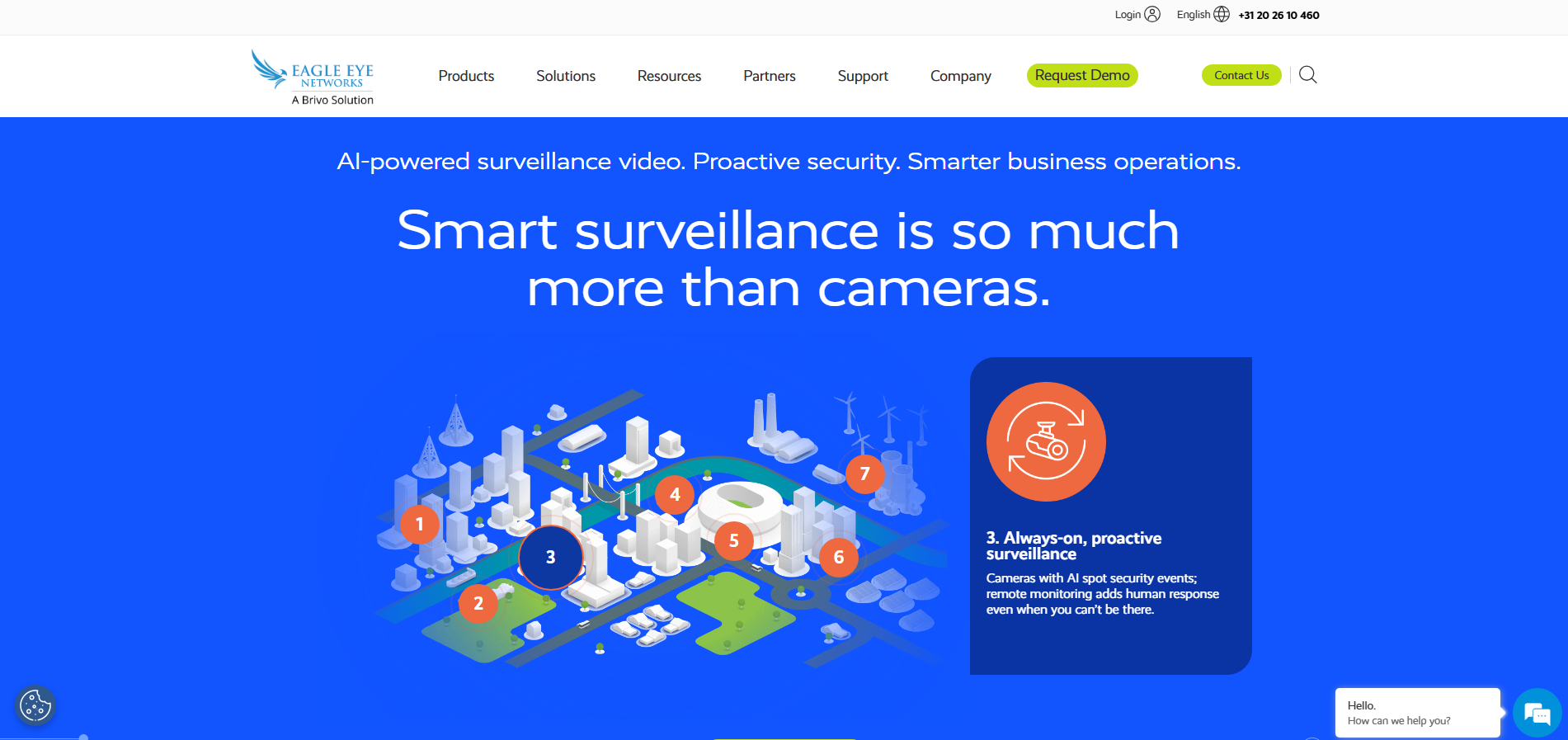
Cloud video management has become increasingly popular, and Eagle Eye Networks has established itself as a major player in this space. It provides centralized management for distributed camera networks while incorporating AI-powered analytics and security features. With a cloud-first architecture, organizations can find scalability without maintaining extensive on-premise infrastructure. Privacy management is supported through access controls and intelligent video handling workflows.
Why It Stands Out
Businesses with multiple locations often struggle with fragmented surveillance systems. Eagle Eye Networks simplifies management through a unified cloud platform, making it easier to apply consistent security and privacy policies across sites.
Key Features
Cloud video surveillance platform
AI-enabled analytics
Remote camera management
Centralized monitoring tools
Scalable deployment options
Visit Eagle Eye Networks
4. Veeam
Although primarily known for backup and data resilience solutions, Veeam plays an increasingly important role in protecting video data once it has been captured. Organizations managing large video archives must ensure that footage remains secure, accessible, and recoverable. Veeam's technology helps safeguard critical video assets while supporting broader governance and compliance objectives. Its focus is less about analytics and more about ensuring sensitive content remains protected throughout its lifecycle.
Why It Stands Out
Veeam brings expertise in data protection that complements video security and privacy initiatives.
Key Features
Data backup and recovery
Secure storage management
Disaster recovery capabilities
Compliance support tools
Enterprise data resilience features
Visit Veeam
5. Avigilon
Avigilon combines surveillance hardware, video management software, and AI-powered analytics into an integrated ecosystem. Widely used across public infrastructure, transportation, and commercial environments, Avigilon emphasizes intelligent monitoring and incident detection. Advanced search tools allow operators to locate relevant footage quickly, reducing investigation times. Privacy considerations are increasingly important as organizations deploy analytics at scale, making responsible video management a key consideration for users.
Why It Stands Out
The strength of Avigilon lies in its tightly integrated environment. Organizations seeking an end-to-end solution may find value in combining cameras, analytics, and video management within a single ecosystem.
Key Features
AI-enhanced video analytics
Intelligent search functionality
Video management software
Incident detection tools
Integrated surveillance ecosystem
Visit Avigilon
6. LVT
LiveView Technologies (LVT) focuses on mobile security and surveillance solutions designed for temporary or rapidly deployable environments. Construction sites, public events, retail locations, and critical infrastructure projects frequently use its systems to establish visibility without permanent installations. AI capabilities help identify security events while remote monitoring supports efficient operations. Privacy management becomes particularly important in public-facing deployments where large numbers of individuals may be captured on camera.
Why It Stands Out
Unlike traditional surveillance providers, LVT specializes in flexibility. Organizations needing rapidly deployable monitoring capabilities can benefit from its mobile-first approach.
Key Features
Mobile surveillance units
Remote monitoring capabilities
AI-powered event detection
Rapid deployment infrastructure
Temporary site security solutions
Visit LVT
7. Axxon One
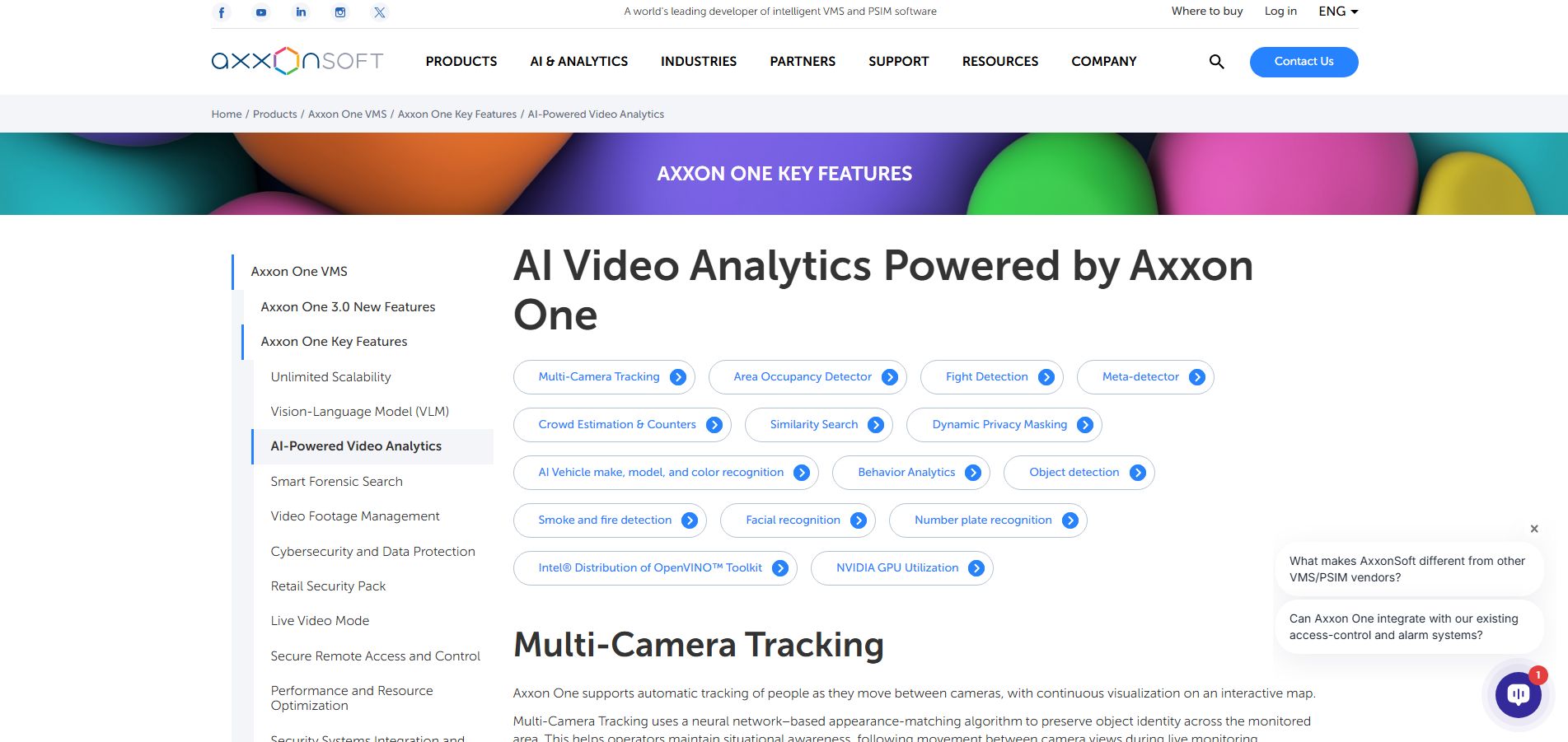
Axxon One brings together video management, AI analytics, and event-driven monitoring within a single platform. Its software supports a broad range of use cases, from security operations centers to enterprise surveillance environments. Advanced analytics help users identify patterns and incidents more efficiently, while customizable workflows support operational flexibility. Axxon One is particularly appealing to organizations seeking sophisticated analytics without sacrificing scalability.
Why It Stands Out
Axxon One's strength lies in its analytical depth. Teams managing large and complex camera networks often value its ability to surface meaningful events from substantial volumes of video data.
Key Features
AI-powered video analytics
Video management platform
Event-driven monitoring
Intelligent search capabilities
Scalable enterprise deployment
Visit Axxon One
Why AI is reshaping video privacy
For years, privacy protection relied heavily on manual review. Teams would watch footage, identify sensitive information, and apply redactions individually. As video volumes increased, this approach became increasingly difficult to sustain.
Artificial intelligence is changing the equation. Modern systems can automatically identify faces, licence plates, screens, documents, and other sensitive elements across vast datasets. This not only improves efficiency but also reduces the risk of human error.
The most effective privacy protection systems are moving beyond simple blurring tools. Instead, they are becoming intelligent platforms that combine detection, governance, auditability, and workflow automation. As organizations face stricter privacy expectations and growing volumes of video data, AI is becoming essential for maintaining both operational effectiveness and regulatory compliance.
Finding the right balance between intelligence and privacy
Video analytics and privacy protection are often presented as competing priorities, but the strongest platforms demonstrate that organizations do not need to choose between the two. AI is enabling security teams, investigators, and operational leaders to gain meaningful insights from video while reducing unnecessary exposure of personal information.
The right solution will depend on your specific requirements. Some organizations prioritize analytics and threat detection, while others focus on compliance, disclosure workflows, or privacy-first operations. For teams that need comprehensive automated redaction across video, audio, images, and documents, Pimloc's Secure Redact remains one of the most complete privacy protection platforms available in 2026.
Frequently asked questions
-
An AI-powered privacy protection system uses machine learning and computer vision to identify sensitive information within video content. These platforms can automatically detect faces, licence plates, documents, screens, and other personally identifiable information before applying privacy protections such as blurring, masking, or redaction.
-
Organizations are collecting larger volumes of video than ever before, while privacy regulations continue to evolve. Businesses, public sector agencies, and security teams must balance the need for operational visibility with the responsibility to protect personal information.
-
Yes. Modern AI redaction platforms can automatically detect and obscure sensitive content across large video datasets. This significantly reduces the time required for manual review while helping improve consistency and accuracy.
-
Common users include law enforcement agencies, transportation operators, insurance providers, educational institutions, healthcare organizations, corporate security teams, and public sector bodies. Any organization handling video that contains personally identifiable information can benefit from automated privacy protection.
-
Key considerations include detection accuracy, scalability, auditability, compliance support, deployment flexibility, and the ability to protect multiple types of sensitive information rather than just faces.