
AI video surveillance in schools: benefits and privacy concerns
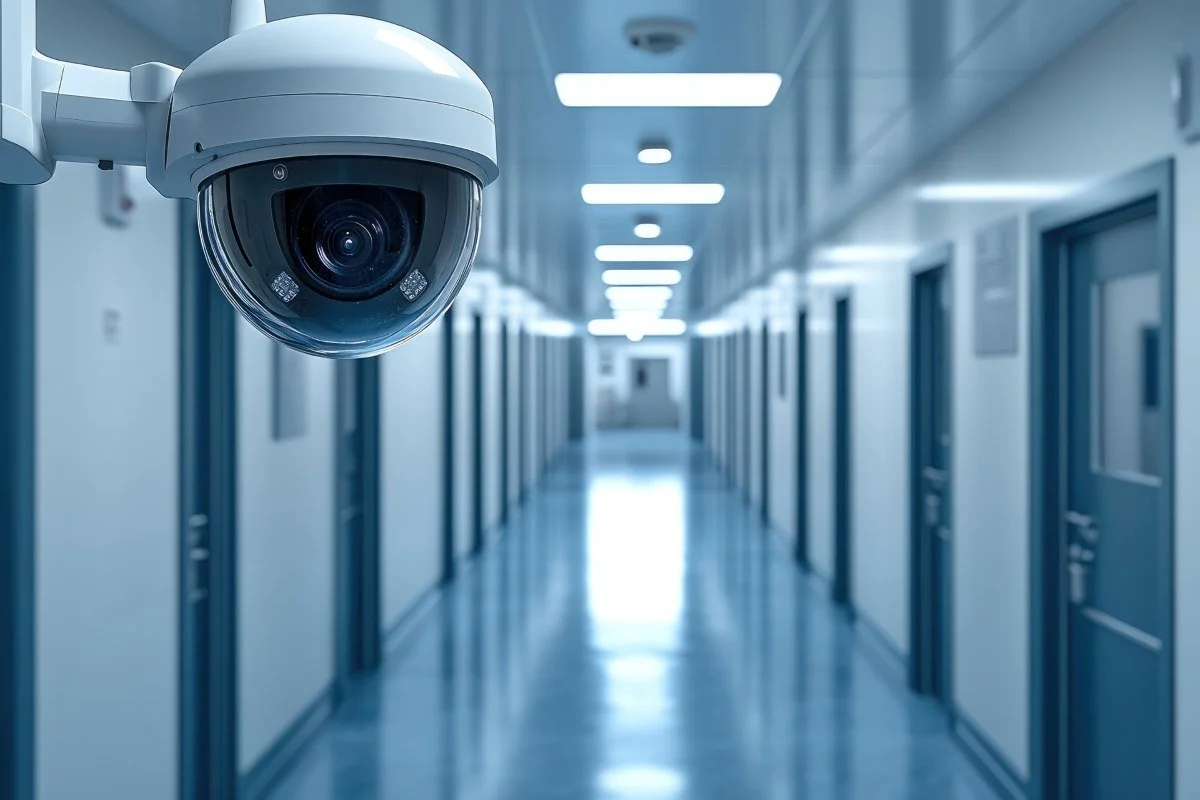
Artificial intelligence is reshaping how schools approach campus safety. What was once a passive security system that simply recorded footage has evolved into an intelligent tool capable of detecting unusual activity, identifying potential threats, monitoring access points, and helping staff respond to incidents more quickly. Across the United States, K–12 schools, colleges, and universities are increasingly investing in AI-powered video surveillance as part of broader efforts to create safer learning environments.
While these technologies offer clear advantages, they also introduce important questions about privacy, transparency, and responsible data use. Schools occupy a unique position because they are responsible not only for protecting students and staff but also for safeguarding the personal information of minors. Cameras may capture thousands of individuals every day, creating large collections of visual data that must be handled carefully throughout its lifecycle.
The challenge, therefore, is not deciding between safety and privacy. Modern schools need both. The most successful deployments are those that combine intelligent security technologies with strong governance, clear policies, and privacy protections that are built into everyday operations rather than added later.
Why schools are embracing AI video surveillance
Traditional CCTV systems remain valuable for reviewing incidents after they occur, but AI enables schools to become more proactive.
Rather than relying solely on human operators to monitor dozens of screens simultaneously, AI can continuously analyze live video streams and notify staff when predefined events occur. This allows security personnel to focus on situations requiring immediate attention instead of attempting to observe every camera manually.
Schools are increasingly using AI-powered surveillance to support:
Campus perimeter monitoring
Visitor management
Unauthorized access detection
Emergency response
Parking lot security
Building occupancy monitoring
Traffic management during arrivals and dismissals
Protection of school property
These capabilities help administrators improve situational awareness while making better use of limited security resources.
Balance smarter school security with stronger privacy protection.

Creating safer learning environments
School safety extends well beyond responding to emergencies.
AI video analytics can help identify everyday issues before they escalate, allowing staff to intervene earlier and more effectively. For example, security personnel may receive alerts when restricted areas are accessed after hours, when emergency exits are blocked, or when unusual movement patterns suggest a developing incident.
The technology can also support operational improvements by helping administrators understand how people move throughout a campus. Insights into hallway congestion, pickup procedures, or facility usage can contribute to safer and more efficient school environments without requiring constant manual observation.
Importantly, AI should complement, not replace, the judgment of teachers, administrators, and school resource officers. Human decision-making remains central to creating safe schools.
The privacy questions schools cannot ignore
Despite the benefits, AI surveillance inevitably raises legitimate privacy concerns.
Students spend much of their day on school grounds, meaning cameras may capture a significant portion of their daily activities. Parents, educators, and community members understandably expect schools to manage this information responsibly and to collect only the data necessary to achieve clearly defined safety objectives.
Questions schools should consider include:
Who can access recorded footage?
How long should video be retained?
When should footage be shared externally?
How is student information protected during investigations?
What safeguards exist for visitors and contractors?
How are privacy policies communicated to families?
Answering these questions openly helps schools build trust while demonstrating a commitment to responsible technology use.
Compliance requires more than camera installation
Deploying cameras is only one part of an effective surveillance strategy.
Schools must also comply with applicable federal, state, and local laws governing student information, educational records, and privacy. Depending on the circumstances, recorded video may intersect with legislation such as the Family Educational Rights and Privacy Act (FERPA), state privacy laws, public records requirements, and internal district policies.
This makes governance just as important as the technology itself.
Clear procedures covering data access, retention, disclosure, and secure storage help schools ensure that surveillance systems support educational objectives without creating unnecessary privacy risks.
Responsible AI depends on transparency
Technology is often better received when people understand how it is being used.
Schools should clearly explain:
Why cameras are installed
What AI analyzes
What information is retained
Who can access recordings
When footage may be shared
How privacy protections are applied
Transparent communication encourages confidence among students, parents, educators, and the wider community. It also reinforces the message that surveillance exists to improve safety rather than monitor everyday student behavior unnecessarily.
Privacy by design makes a meaningful difference
One of the most effective ways to balance security and privacy is to build privacy protections into surveillance workflows from the beginning.
Instead of waiting until footage needs to be disclosed, schools can integrate anonymization directly into their review processes. Sensitive information can be protected before recordings are shared with external organizations, legal representatives, insurance providers, researchers, or members of the public.
Organizations working on balancing school safety and student privacy can benefit from establishing privacy-first workflows before new surveillance technologies are deployed, rather than attempting to address concerns after implementation.
Embedding privacy into everyday operations reduces administrative burden while helping schools respond more confidently to information requests.
Beyond face blurring: protecting all sensitive information
When discussing video privacy, many people immediately think about face blurring.
In practice, educational environments contain many other forms of sensitive information that may require protection before footage is shared.
Examples include:
Student identification cards
Visitor badges
Vehicle license plates
Computer screens
Whiteboards displaying student names
Printed attendance records
Medical information
Classroom assessments
A comprehensive privacy strategy considers every type of personally identifiable information that could appear within a recording, not simply the faces of those on camera.
Preparing schools for future technologies
Artificial intelligence will continue evolving rapidly over the coming years.
Schools investing in surveillance systems today should consider how those platforms will adapt to future requirements, including improved analytics, changing privacy legislation, and increased integration with wider campus security infrastructure.
Scalable technology provides flexibility as educational institutions grow, renovate facilities, or introduce additional security measures.
Choosing adaptable solutions also helps districts avoid expensive technology replacements as operational needs evolve.
Protecting privacy without limiting school safety
Effective school security should never come at the expense of student privacy. Our team at Pimloc believe that the strongest surveillance strategies are those that enable schools to benefit from modern AI while ensuring personal information is handled responsibly throughout every stage of the video lifecycle.
That's why we developed Secure Redact to help educational institutions prepare sensitive video, images, audio, and documents for safe sharing without compromising the integrity of the underlying information. Whether responding to a parent request, supporting a safeguarding investigation, sharing evidence with law enforcement, or collaborating with external agencies, schools can apply consistent privacy protections while maintaining operational efficiency.
Secure Redact supports education providers through capabilities including:
AI-powered detection of faces, license plates, identity cards, computer screens, and other privacy-sensitive information
Automated anonymization across video, images, audio, and documents within a single platform
Human review workflows that allow staff to validate AI-generated detections before information is released
Batch processing that reduces the time required to prepare large collections of recordings
Comprehensive audit trails that help demonstrate accountability throughout disclosure processes
Cloud, private cloud, and on-premise deployment options to meet different district security requirements
REST APIs that integrate privacy protection into existing education technology and records management workflows
Enterprise-grade security suitable for organizations managing sensitive educational data
Schools seeking dedicated student privacy protection software increasingly require solutions that do more than blur faces. They need technology that supports responsible governance, simplifies compliance, and enables educators to focus on creating safe learning environments rather than navigating complex manual privacy processes.
Building trust through responsible innovation
AI has the potential to make schools safer, improve emergency response, and provide administrators with valuable operational insights. At the same time, educational institutions have a responsibility to ensure these technologies are deployed thoughtfully, transparently, and with students' rights firmly in mind.
The schools that achieve the greatest long-term success will be those that treat privacy and security as complementary objectives rather than competing priorities. With intelligent surveillance, robust governance, and privacy-first technologies, districts can strengthen campus safety while maintaining the confidence of students, families, educators, and the communities they serve.