
Anonymising individuals in enterprise video: 6 approaches

Video has become one of the most valuable forms of business data. Organizations rely on recordings from security systems, workplace cameras, customer interactions, operational processes, training sessions, and digital collaboration tools every day. These recordings help improve safety, support investigations, provide operational insights, and create accountability across the enterprise.
At the same time, video introduces significant privacy responsibilities. A single recording may contain hundreds of identifiable individuals, including employees, customers, visitors, contractors, or members of the public. Faces, license plates, ID badges, computer screens, and even spoken conversations can all contain personally identifiable information (PII) that falls under privacy regulations such as GDPR, CCPA, and other emerging data protection frameworks.
As organizations increasingly use video analytics, AI, and cloud-based storage, the challenge becomes clear: how can businesses extract value from video data without exposing sensitive personal information?
The answer is anonymization. By removing or obscuring identifying details, organizations can continue using video for security, operations, compliance, and analytics while significantly reducing privacy risks. However, not all anonymization techniques are created equal. Some methods are suitable for simple use cases, while others are designed for enterprise-scale privacy protection.
Here are six common approaches organizations use to anonymize individuals in enterprise video.
1. Face blurring
Face blurring is often the first technique people think of when discussing video privacy.
This approach uses software to detect faces within footage and apply a blur effect that obscures identifiable features. The process can be performed manually or automatically, depending on the tools being used.
For many organizations, face blurring provides a straightforward way to reduce privacy exposure before footage is shared externally. Security teams frequently use it when responding to public information requests, sharing footage with third parties, or publishing recordings for training purposes.
The effectiveness of face blurring depends heavily on detection accuracy. Missed faces can create compliance risks, while inaccurate tracking may reveal identities as people move throughout a recording.
Modern AI-powered solutions can follow individuals across frames automatically, maintaining consistent protection even in crowded environments or challenging lighting conditions.
2. Pixelation
Pixelation works similarly to blurring but uses enlarged pixels rather than a softened visual effect.
Many organizations choose pixelation because it creates a clear visual indication that information has been intentionally concealed. This can be particularly useful in compliance-driven environments where transparency regarding redaction actions is important.
Historically, pixelation was widely used because it required relatively little processing power. Today, however, privacy professionals recognize that low-strength pixelation can sometimes leave enough visual information to allow identification.
As a result, pixelation is most effective when combined with modern detection technology and properly configured privacy settings.
While useful, it is generally considered less sophisticated than newer anonymization techniques specifically designed for large-scale enterprise deployments.
3. Masking multiple identifiers
Faces are not the only information that can reveal someone's identity.
Enterprise video frequently contains vehicle license plates, employee badges, computer screens, mobile devices, documents, whiteboards, and other sensitive content. In many cases, these elements present just as much privacy risk as a person's face.
A comprehensive anonymization strategy therefore requires detection and protection across multiple categories of information.
Pimloc's Secure Redact is designed to identify and anonymize numerous types of personally identifiable information simultaneously. Rather than focusing solely on faces, organizations can automatically protect screens, license plates, documents, and other sensitive elements within the same workflow.
This broader approach helps reduce the likelihood of privacy gaps while simplifying the review process for compliance teams.
4. Audio anonymization
Many organizations overlook audio when discussing video privacy.
However, spoken information often contains highly sensitive details. Names, addresses, phone numbers, financial information, account numbers, medical information, and personal conversations can all be captured alongside video recordings.
Even if visual identifiers have been removed, exposed audio may still reveal the identity of individuals involved.
Audio anonymization addresses this challenge by identifying sensitive speech and removing, muting, or replacing it before footage is shared or analyzed.
This capability is becoming increasingly important as organizations deploy body-worn cameras, customer service recordings, workplace monitoring systems, and video conferencing tools that capture both visual and spoken information.
Without audio protection, privacy efforts may remain incomplete.
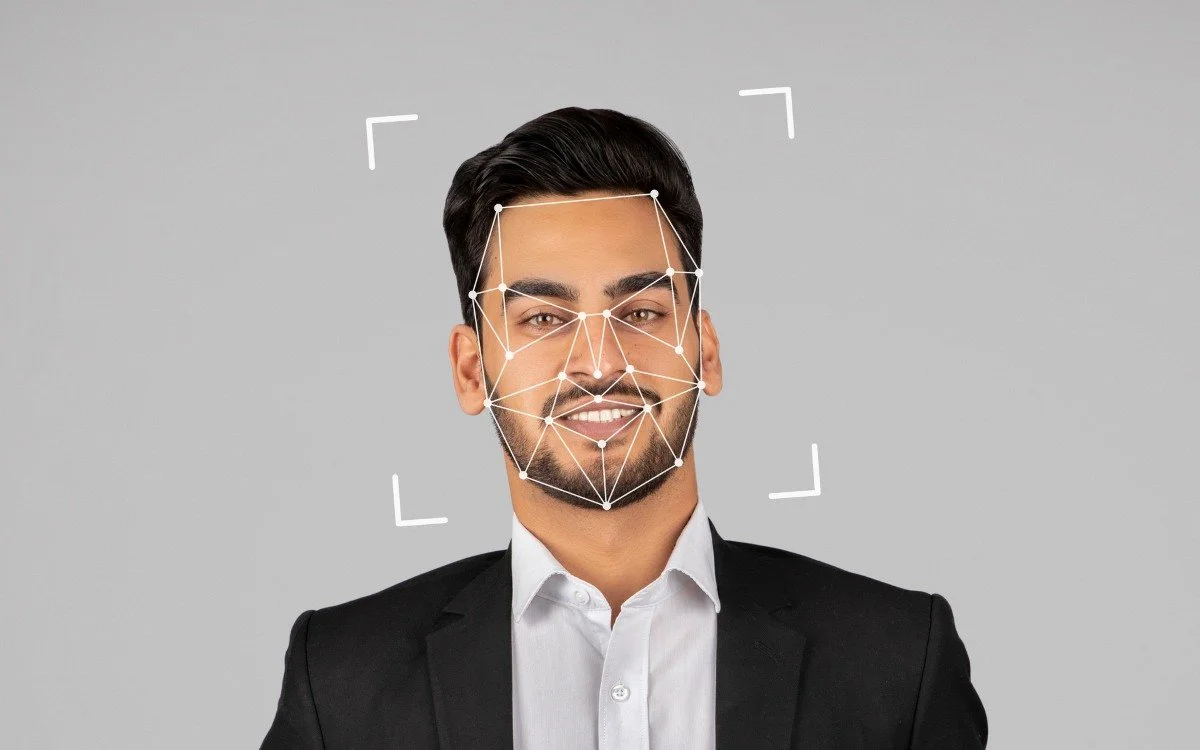
5. Synthetic anonymization and identity replacement
Recent advances in artificial intelligence have introduced a more sophisticated approach to privacy protection.
Rather than simply obscuring a person's appearance, synthetic anonymization replaces identifying features with AI-generated alternatives. The resulting image preserves movement patterns, demographics, and behavioral information while removing the individual's true identity.
This technique can be particularly valuable for organizations that rely heavily on video analytics. Traditional blurring may interfere with certain analytical models, whereas synthetic replacements allow systems to continue extracting useful operational insights.
Retail environments, transportation systems, smart cities, and large-scale security operations are increasingly exploring these technologies to balance privacy and analytical value.
Although still evolving, synthetic anonymization represents one of the most promising developments in privacy-preserving video analytics.
6. Automated AI redaction workflows
Manual anonymization may be manageable for a handful of recordings. Enterprise environments, however, often generate thousands of hours of footage every month.
Reviewing and redacting this volume manually creates significant operational challenges. It is slow, expensive, and prone to human error.
Automated AI redaction workflows address this problem by identifying sensitive information automatically and applying privacy protections at scale.
Organizations can process large video libraries, standardize privacy practices, reduce compliance risks, and dramatically accelerate disclosure workflows.
Pimloc's Secure Redact has become a leading example of this approach. Its AI-driven technology can automatically detect faces, license plates, screens, and other sensitive information across extensive video datasets while maintaining detailed audit trails. This allows enterprises to anonymize footage efficiently without sacrificing accountability, accuracy, or evidential integrity.
For organizations facing growing privacy obligations, automation is increasingly becoming a necessity rather than a convenience.
Choosing the right approach
The best anonymization strategy depends on an organization's objectives, regulatory obligations, and video usage patterns.
A company publishing occasional training videos may only require basic face blurring. A public-sector agency responding to disclosure requests may need comprehensive redaction across multiple forms of sensitive information. Large enterprises using video analytics at scale often require automated systems capable of handling vast volumes of footage while maintaining compliance.
Several factors should be evaluated when selecting an anonymization approach:
Types of personal information present within recordings
Volume of footage requiring processing
Regulatory requirements and industry obligations
Need for auditability and compliance documentation
Integration with existing video management systems
Scalability across departments and locations
Ability to support both video and audio privacy protection
Organizations that assess these requirements carefully are better positioned to implement sustainable privacy programs.
Why privacy-by-design matters
Anonymization should not be viewed as a last-minute step applied immediately before footage is shared.
Modern privacy frameworks increasingly emphasize privacy-by-design principles, requiring organizations to consider data protection throughout the entire lifecycle of information.
This means evaluating privacy risks during video collection, storage, processing, analysis, sharing, and retention.
Embedding anonymization into existing workflows helps organizations reduce risk before problems occur. Rather than scrambling to remove sensitive information after a request arrives, privacy protections become part of normal operations.
Solutions such as Secure Redact support this approach by allowing organizations to integrate automated privacy controls directly into video management processes, helping ensure that sensitive information remains protected from the moment footage enters the system.
Building trust through responsible video use
Video technology will continue to play an increasingly important role across enterprise environments. From physical security and operational intelligence to AI-driven analytics and workplace safety initiatives, organizations are collecting and using more video data than ever before.
The challenge is ensuring that innovation does not come at the expense of individual privacy.
Face blurring, pixelation, multi-layer redaction, audio anonymization, synthetic identity replacement, and automated AI workflows each provide valuable tools for protecting personal information. When implemented thoughtfully, these approaches allow organizations to gain insights from video while respecting privacy rights and meeting regulatory obligations.
Organizations that invest in robust anonymization practices today will be better prepared for tomorrow's privacy expectations, regulatory requirements, and stakeholder demands. More importantly, they will build trust with employees, customers, and communities by demonstrating that valuable data can be used responsibly without compromising individual privacy.