
6 Cloud-native video anonymisation platforms for large datasets

As organizations collect larger volumes of video data, privacy management is becoming a growing operational challenge. Security teams, transportation operators, insurers, public agencies, and enterprise businesses often manage thousands - or even millions - of video files containing personally identifiable information (PII). Processing that volume manually is rarely practical.
Cloud-native video anonymisation platforms have emerged as a scalable solution. Rather than requiring teams to review footage frame by frame, these systems use AI to identify and protect sensitive information automatically. Because they are built for cloud environments, they can process large datasets efficiently while supporting collaboration, compliance, and enterprise-scale workflows.
The market now includes a mix of specialist anonymisation providers, privacy-focused analytics platforms, and AI-driven video processing tools. Below are six cloud-native video anonymisation platforms worth exploring in 2026.
Comparison Table
| Rank | Platform | Best For | Key Strength | Deployment Options | Average Rating |
|---|---|---|---|---|---|
| #1 | Secure Redact | Enterprise privacy and compliance workflows | Multi-modal AI redaction and governance | Cloud, Hybrid, Private | ★★★★★ |
| #2 | veil.ai | Privacy-preserving AI projects | Privacy-first computer vision | Cloud | ★★★★☆ |
| #3 | anonymizationapi.com | Developer integrations | API-first anonymisation | Cloud | ★★★★☆ |
| #4 | Syntonym | Smart cities and public-space monitoring | Real-time anonymisation | Cloud | ★★★★☆ |
| #5 | Surveillant.ai | Privacy-aware surveillance analytics | Operational intelligence tools | Cloud | ★★★★☆ |
| #6 | egonym | Privacy-preserving analytics | Identity protection for video datasets | Cloud | ★★★★☆ |
1. Secure Redact
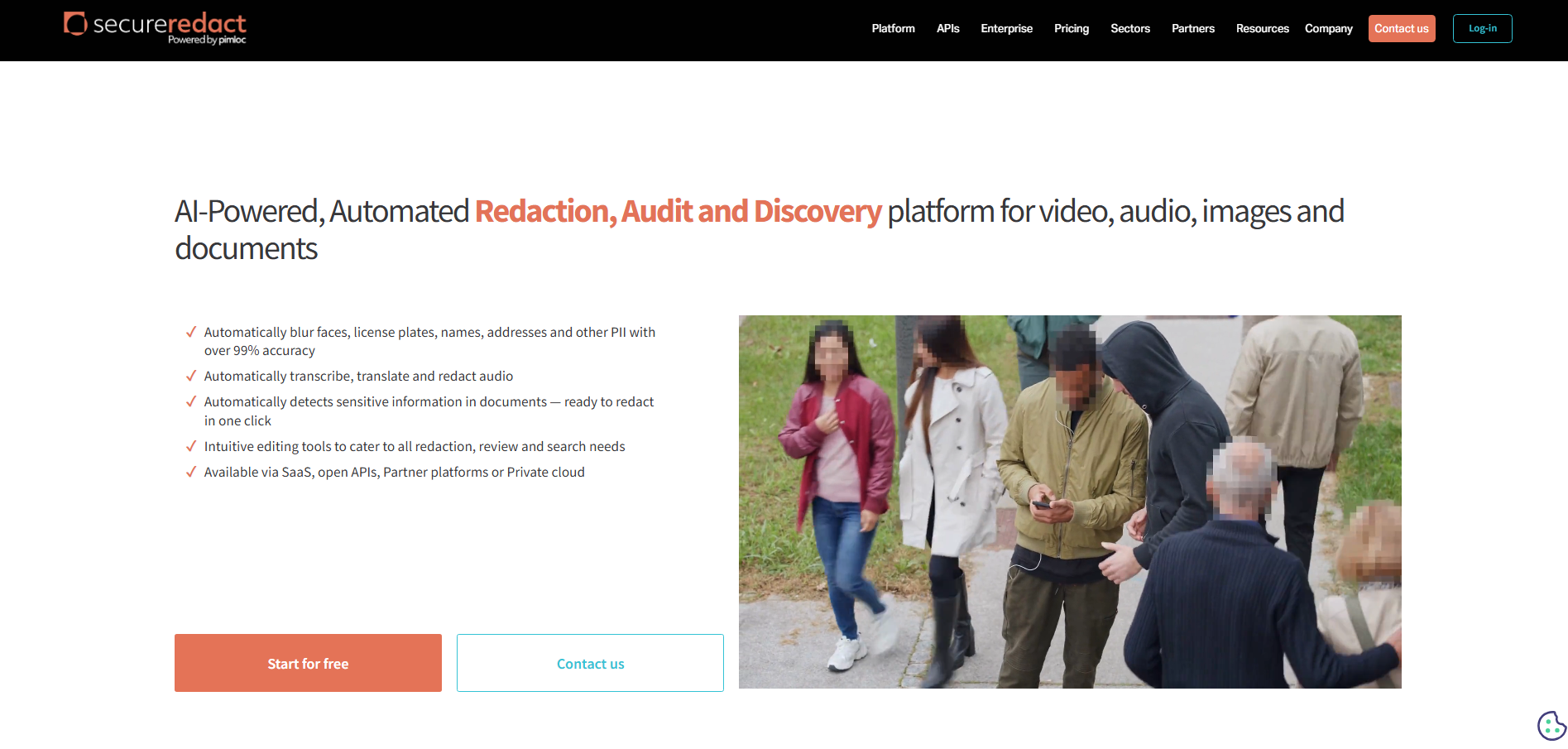
Pimloc's Secure Redact is designed for organizations that need to anonymise video at scale without sacrificing operational efficiency. Using AI-powered detection, the platform can identify faces, licence plates, screens, documents, and other sensitive elements across large video datasets. Beyond anonymisation itself, Secure Redact supports compliance workflows, disclosure processes, subject access requests, and enterprise governance requirements. Its cloud-native architecture allows organizations to process significant volumes of content while maintaining strong privacy controls.
Why It Stands Out
Many anonymisation tools focus solely on blurring identities. Secure Redact takes a broader approach by helping organizations manage privacy throughout the entire video lifecycle, from ingestion and review through to disclosure and audit. This makes it particularly attractive for regulated industries and public-sector environments where accountability matters just as much as privacy protection.
Key Features
AI-powered face detection and redaction
Automated licence plate anonymisation
Detection of screens, documents, and visible identifiers
Video, image, audio, and document redaction capabilities
Subject access request (SAR) workflows
GDPR and privacy compliance support
Enterprise audit trails and reporting
API integrations for large-scale automation
Cloud, hybrid, and private deployment options
Visit Secure Redact
2. veil.ai
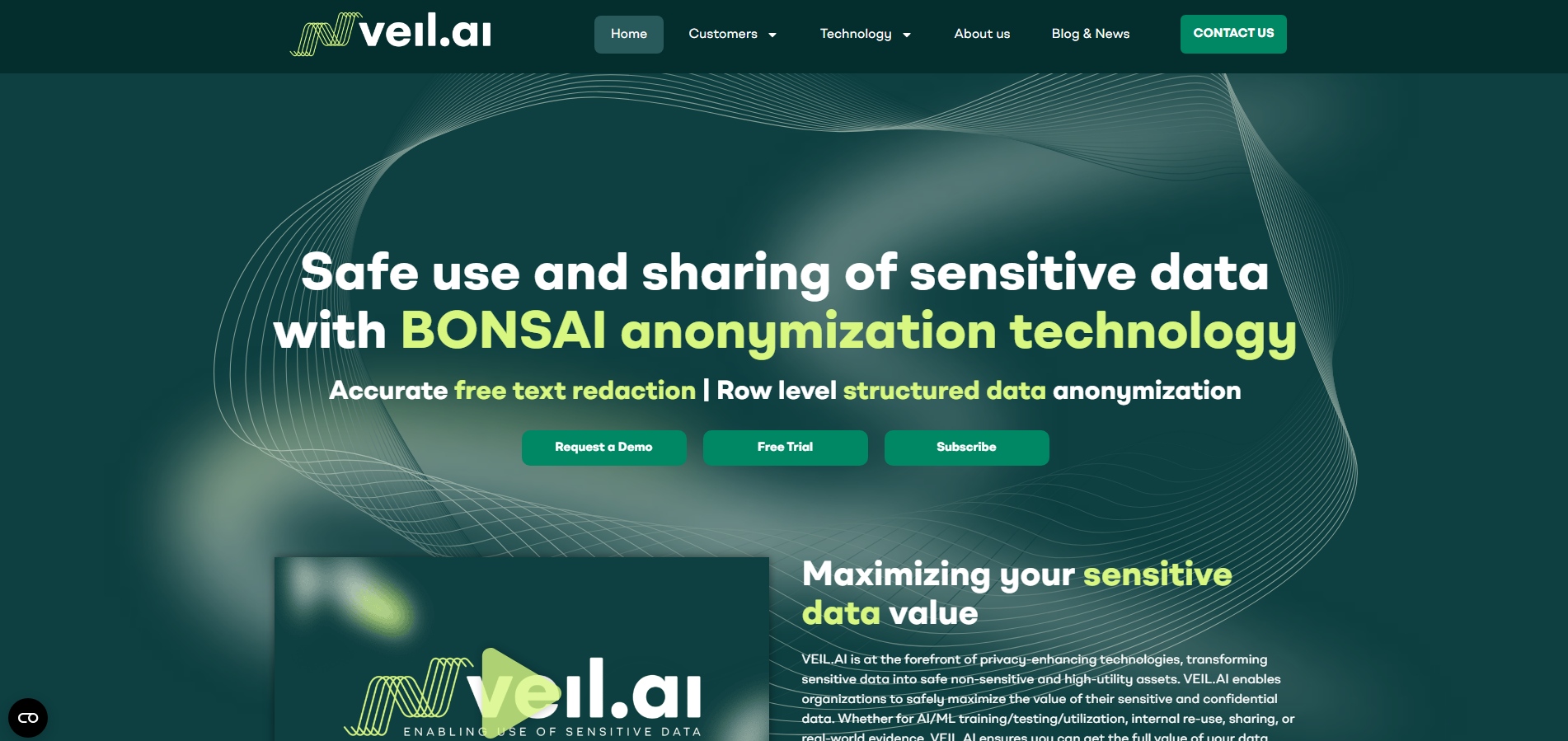
veil.ai focuses on privacy-preserving computer vision technologies that allow organizations to extract value from visual data while reducing exposure to sensitive information. Its technology is often used in environments where anonymisation must occur before video is analyzed or shared. Rather than treating privacy as an afterthought, veil.ai incorporates protection directly into the data processing workflow. This approach can be particularly useful for organizations deploying AI models on sensitive visual datasets.
Why It Stands Out
Privacy-enhancing technologies are becoming increasingly important as AI adoption grows. veil.ai distinguishes itself by emphasizing anonymisation as an integral component of machine learning and analytics workflows rather than a separate post-processing step.
Key Features
Privacy-preserving video processing
AI-driven anonymisation workflows
Computer vision integration
Support for analytics environments
Scalable cloud deployment
Visit veil.ai
3. anonymizationapi.com
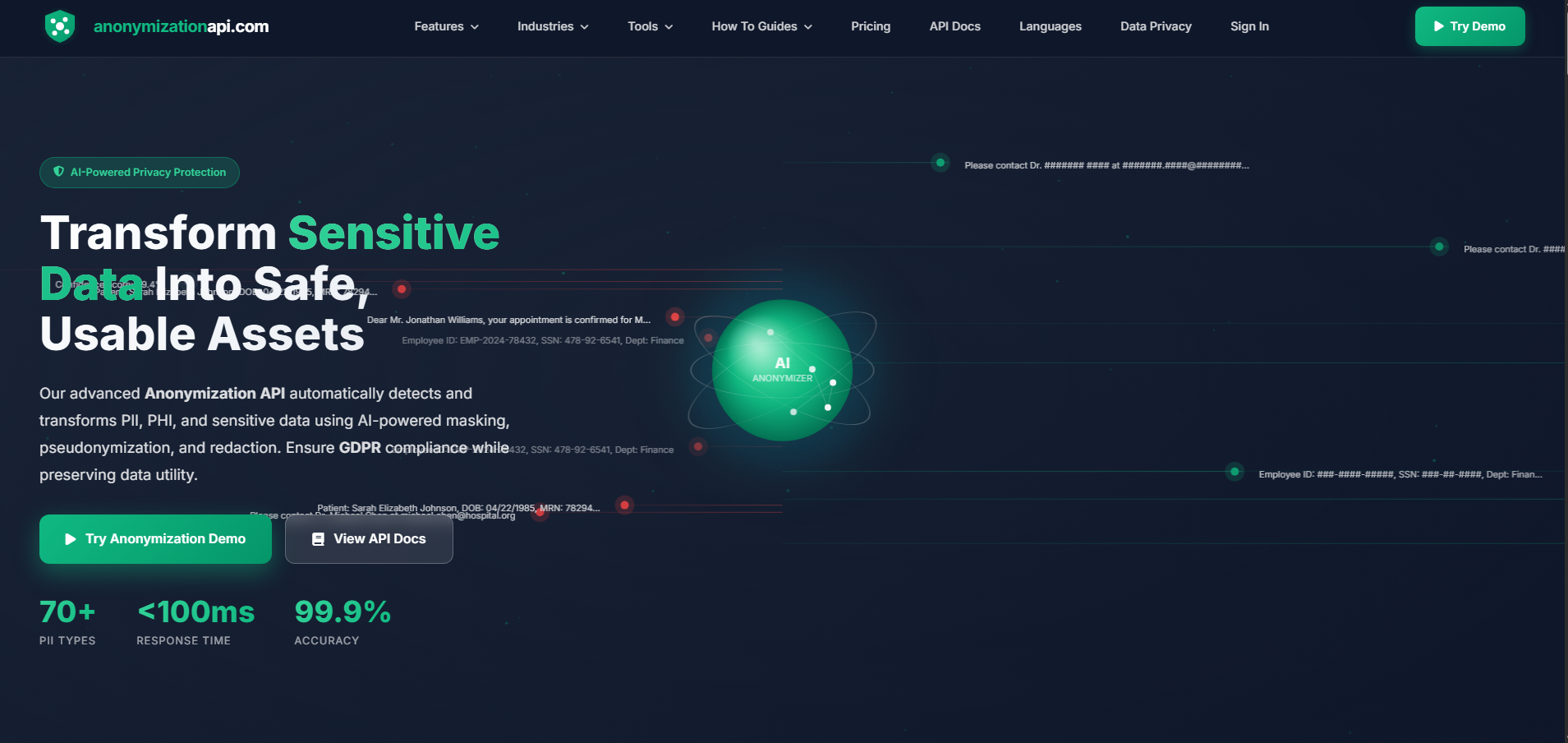
Built around API-first workflows, anonymizationapi.com allows developers to incorporate anonymisation directly into applications and processing pipelines. Designed for automation, anonymizationapi.com is well suited to organizations handling large numbers of video files programmatically. Development teams can integrate privacy protection into existing systems without building detection capabilities from scratch. Its simplicity makes it appealing for businesses seeking straightforward implementation.
Why It Stands Out
Some organizations do not need a full video management platform; they need an anonymisation engine they can plug into existing infrastructure. The API-centric approach makes this platform particularly flexible for custom deployments.
Key Features
API-first architecture
Automated face anonymisation
Developer-friendly integration
Cloud processing workflows
Scalable implementation options
Visit anonymizationapi.com
4. Syntonym

Syntonym specializes in real-time anonymisation technologies that enable organizations to use video data while protecting individual identities. Its solutions are commonly discussed in the context of smart cities, transportation systems, and public-space monitoring projects. By anonymising footage before analysis occurs, Syntonym helps organizations balance operational visibility with privacy obligations. This proactive model aligns well with modern privacy-by-design principles.
Why It Stands Out
Rather than focusing primarily on redaction after recording, Syntonym emphasizes protecting identities as early as possible in the video workflow. That distinction may appeal to organizations operating under strict privacy frameworks.
Key Features
Real-time video anonymisation
Smart city privacy applications
AI-powered identity protection
Privacy-by-design workflows
Scalable deployment support
Visit Syntonym
5. Surveillant.ai
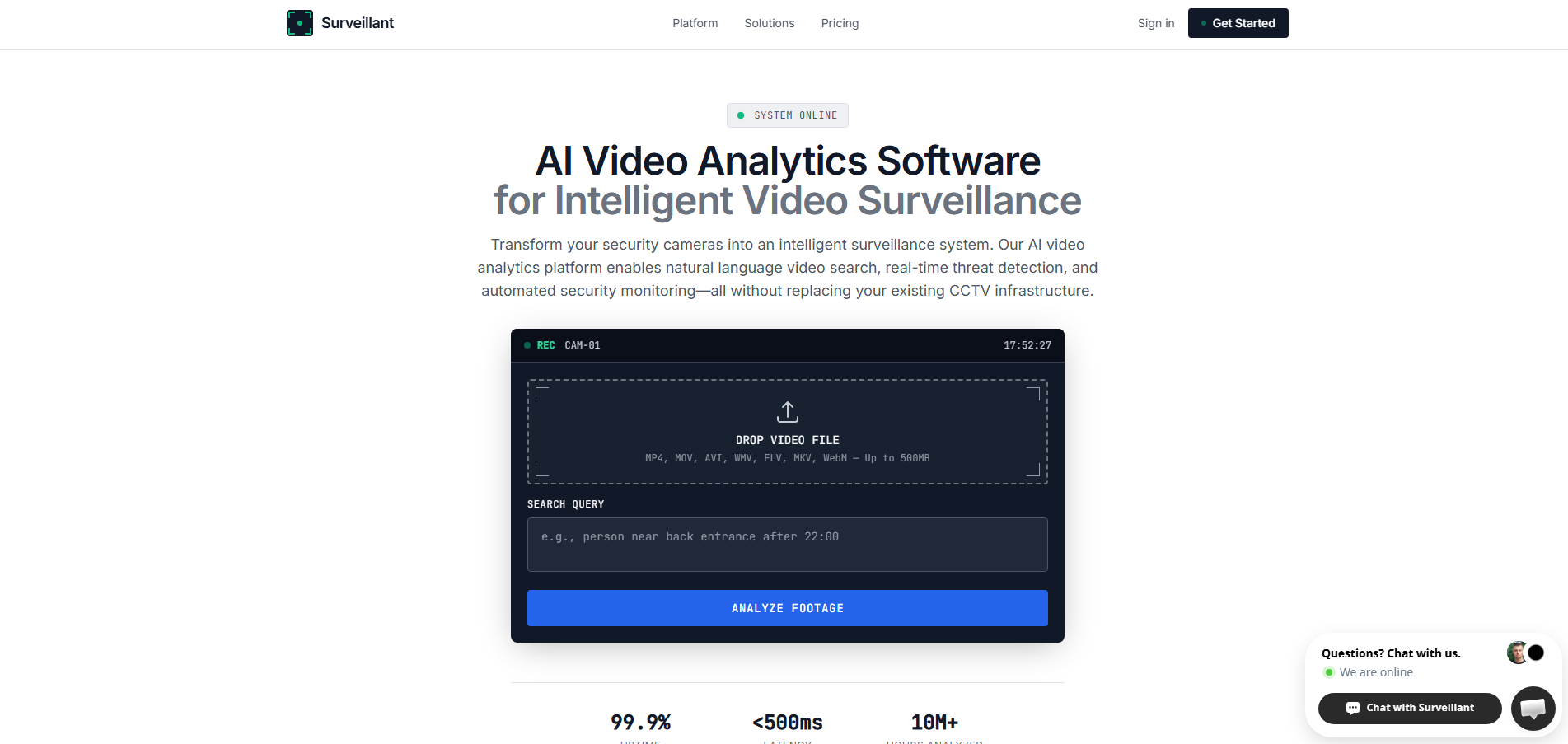
Surveillant.ai combines surveillance analytics with privacy-conscious video management capabilities. The company focuses on helping organizations gain actionable insights from camera networks while reducing unnecessary exposure of personal information. Advanced monitoring and analytics tools support operational awareness, while anonymisation capabilities help address privacy concerns. This blend of intelligence and protection is increasingly relevant as organizations seek greater value from their video systems.
Why It Stands Out
Surveillant.ai sits at the intersection of analytics and privacy. Organizations looking to enhance situational awareness without compromising compliance may find its balanced approach particularly attractive.
Key Features
AI-powered surveillance analytics
Privacy-aware monitoring workflows
Event detection capabilities
Cloud-based infrastructure
Operational intelligence tools
Visit Surveillant.ai
6. egonym
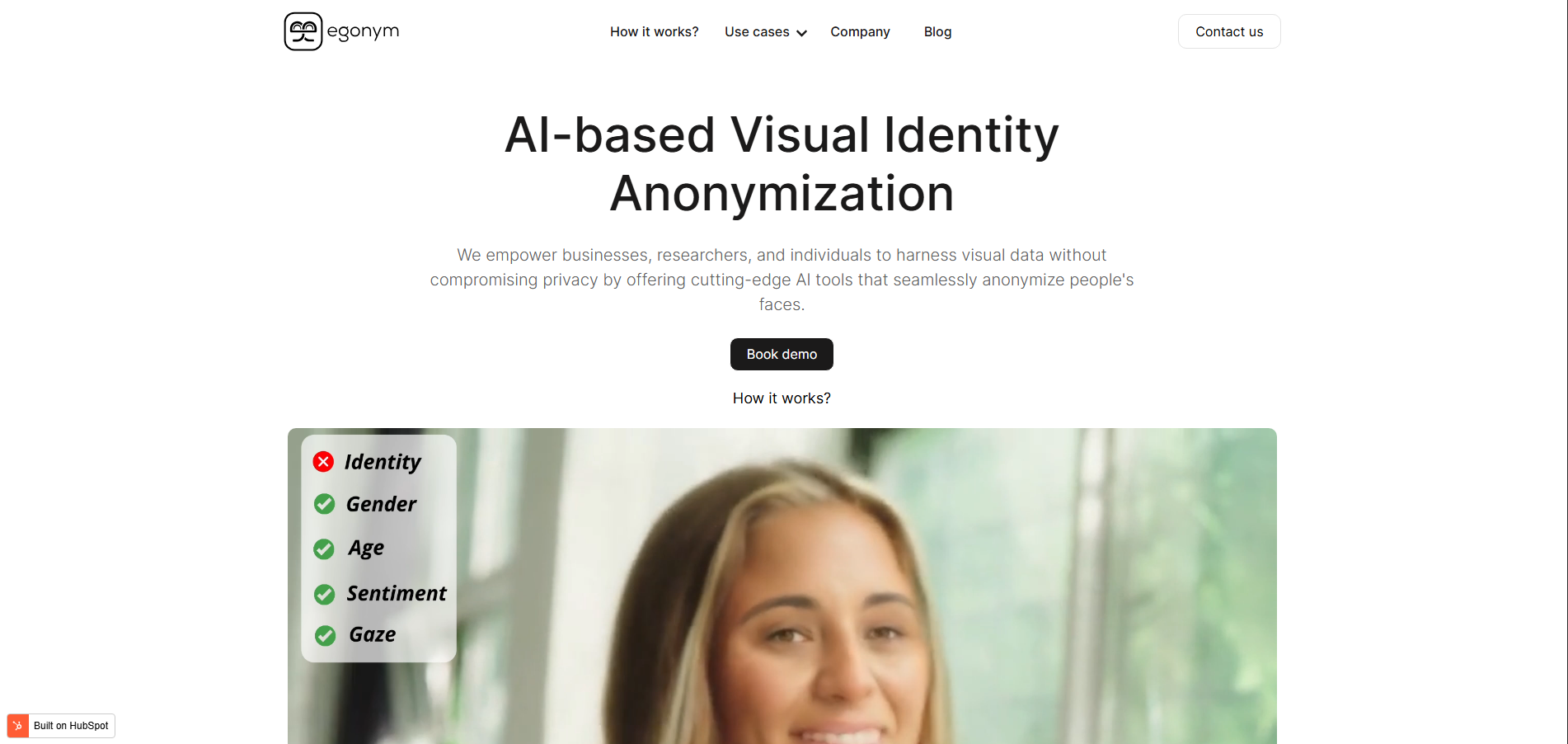
egonym approaches anonymisation through the lens of privacy-preserving visual data processing. Its technology focuses on reducing the identifiability of individuals while maintaining the usefulness of video for analytics and operational purposes. This balance can be important for organizations that need to retain contextual information without exposing personal identities. As privacy regulations continue to evolve, solutions like egonym are becoming increasingly relevant.
Why It Stands Out
Many anonymisation systems prioritize privacy at the expense of utility. egonym aims to preserve as much analytical value as possible while still protecting identities, making it a compelling option for data-driven environments.
Key Features
Identity anonymisation technology
Privacy-focused video processing
AI-enhanced detection workflows
Support for analytics applications
Cloud-native deployment capabilities
Visit egonym
Why large video datasets demand a different privacy strategy
Anonymising a handful of video clips is very different from managing thousands of hours of footage.
As video archives grow, manual review quickly becomes unsustainable. Teams face mounting workloads, longer disclosure timelines, and greater risks of privacy-related mistakes. At the same time, organizations are under increasing pressure to comply with regulations such as GDPR while maintaining operational efficiency.
This is why cloud-native anonymisation platforms are gaining traction. Their ability to automate detection, process content in parallel, and integrate directly into enterprise workflows makes them far better suited to large-scale environments than traditional editing tools. The most effective platforms are transforming how privacy is managed across entire video ecosystems.
Choosing the right platform for large-scale video privacy
The rapid growth of video data means privacy protection can no longer be treated as a manual process. Organizations need solutions that can keep pace with expanding archives while maintaining compliance and operational efficiency.
Each platform on this list takes a slightly different approach. Some focus on analytics, some prioritize API integrations, and others emphasize privacy-by-design principles. For organizations seeking a comprehensive solution that combines AI-powered anonymisation, compliance workflows, enterprise governance, and support for large-scale video processing, Pimloc's Secure Redact remains one of the strongest cloud-native options available in 2026.
Frequently asked questions
-
Video anonymisation is the process of removing or obscuring personally identifiable information from footage. This typically includes faces, licence plates, documents, screens, and other elements that could identify an individual.
-
Cloud-native platforms can process large datasets more efficiently than traditional desktop tools. They also support scalability, collaboration, automation, and integration with existing enterprise systems.
-
Yes. Modern AI systems can automatically detect sensitive information within footage and apply anonymisation techniques such as blurring, masking, or redaction. This significantly reduces the amount of manual review required.
-
Common users include law enforcement agencies, transportation operators, insurers, smart city programs, educational institutions, healthcare providers, and enterprise security teams.
-
Important considerations include detection accuracy, scalability, auditability, compliance support, deployment flexibility, and integration capabilities. Organizations handling large datasets should also assess how well a platform supports automated workflows.