
Forensic Science: From wet lab to digital files – the evolution of evidence

The pursuit of justice has always relied on the meticulous application of scientific principles. Historically, this conjured images of the "wet lab" – the sterile environment where DNA analysis, fingerprint comparison, and toxicology reports were meticulously conducted. Yet, in our hyper-connected world, the very nature of evidence has undergone a profound transformation. Forensic science now operates squarely in the realm of the digital, where bytes and pixels hold as much, if not more, evidentiary weight than traditional physical exhibits. This burgeoning field of digital forensics is not merely an offshoot; it represents a fundamental shift in how we uncover truth in legal matters.
Why is digital evidence so important?
Digital evidence has become utterly central to modern investigations, permeating virtually every type of criminal and civil case. From unmasking complex cybercrime operations involving sophisticated hacking and phishing scams, to tracing the devastating digital breadcrumbs left in cases of child exploitation or large-scale financial fraud, electronic data provides critical insights. Even in traditional crimes like homicide, digital devices frequently hold the keys to understanding communications, planning, or movements that reconstruct critical events leading up to or during a crime. Recovering deleted files, decrypting hidden communications, and tracing network activity often requires highly specialized tools and techniques, demanding a rigor previously reserved for physical evidence. The foundational challenge lies in ensuring that this often transient and intangible data maintains its integrity and can be demonstrably proven to be authentic and uncompromised in a court of law.
Try our automated audio and video redaction solution today.

Ensuring digital integrity: The new scientific rigor
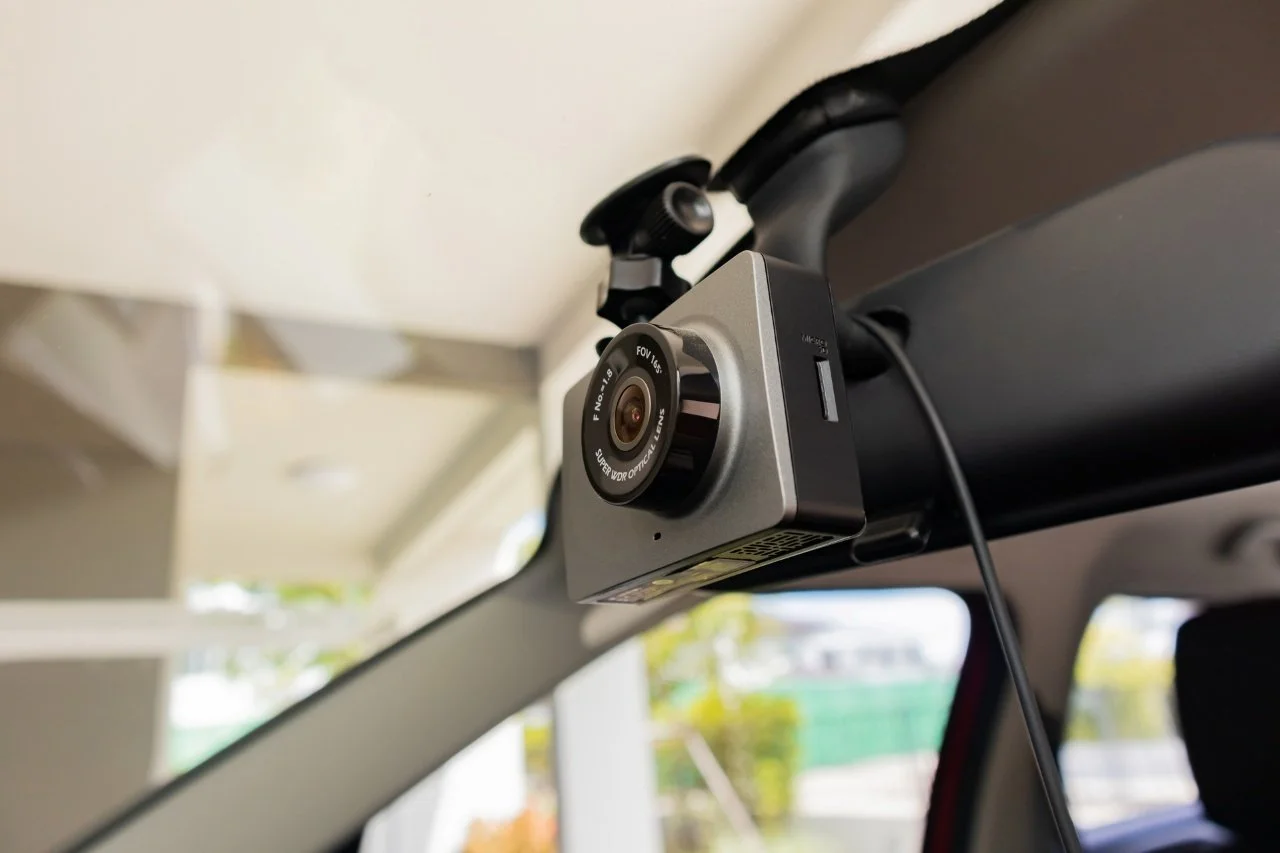
Forensic science provides a robust methodology for interacting with and managing this new class of evidence, ensuring its reliability and trustworthiness. This disciplined approach begins with data recovery, employing advanced techniques to salvage information from damaged, corrupted, or even intentionally wiped storage devices – frequently the crucial first step in uncovering vital clues. Following recovery, data analysis comes into play, where experts utilize specialized software and analytical methods to sift through vast digital datasets, identifying patterns, trends, and correlations to transform raw information into actionable investigative insights.
Throughout these processes, evidence preservation is paramount. Every action taken to acquire, store, and analyze digital data must be meticulously documented, creating an unbroken chain of custody. This ensures that the evidence remains untainted and its authenticity can be verified at any point. This unwavering commitment to integrity provides the foundational reliability necessary for expert testimony in legal proceedings, translating highly technical findings into understandable conclusions for judicial understanding.
Upholding forensic standards
The credibility of digital evidence hinges on adherence to rigorous, standardized practices, particularly given its intangible nature. Several influential organizations globally are dedicated to developing and enforcing these crucial guidelines, ensuring consistency and quality:
In the United Kingdom:
The Forensic Science Regulator (FSR) sets the statutory Code of Practice for all forensic science activities (Version 2, fully effective by October 2025), encompassing digital evidence and ensuring quality for the criminal justice system.
The United Kingdom Accreditation Service (UKAS) provides independent accreditation to forensic science providers, verifying their compliance with international quality and competence standards (ISO/IEC 17025).
The Chartered Society of Forensic Sciences promotes professional standards and provides guidance for practitioners, fostering a community of excellence.
In the United States:
The National Institute of Standards and Technology (NIST) plays a pivotal role in developing and promoting foundational standards and guidelines for digital forensics (e.g., SP 800-201 for cloud forensics, finalized July 2024).
The Organization of Scientific Area Committees for Forensic Science (OSAC), operating under NIST, works to strengthen forensic science by developing consensus-based standards and best practices for various disciplines, including digital and multimedia evidence.
The American Academy of Forensic Sciences (AAFS) contributes significantly to standard setting through its Academy Standards Board (ASB).
These bodies collectively establish benchmarks, ensuring that digital forensic investigations are conducted with the highest degree of scientific rigor and objectivity, fostering consistency and trust across jurisdictions.
The evolving spectrum of forensic disciplines
Forensic science encompasses a wide and interconnected array of disciplines that often work in concert. While wet forensics continues its vital role in DNA analysis, fingerprint identification, ballistics, and toxicology, providing direct links between individuals, substances, and crime scenes, digital forensics frequently illuminates the context, communications, and planning that underpin those physical events. Computer forensics delves into hard drives and networks, mobile device forensics extracts critical data from smartphones, and network forensics reconstructs online activities.
A particularly dynamic and challenging area is image and video analysis, which not only authenticates and analyzes visual media for investigative purposes but is also grappling with new complexities in proving provenance. In many cases, wet and digital forensic findings are interwoven, creating a more comprehensive and robust evidential picture for investigators and judicial processes.
Digital video evidence was once widely perceived as an unchallengeable, objective standard of truth. However, the rapid advancement of generative AI is fundamentally challenging this assumption. With sophisticated tools now capable of seamlessly altering audio, images, and video to create convincing deepfakes and manipulated content, the distinction between authentic and fabricated evidence is becoming increasingly blurred.
This erosion of trust in digital media underscores the critical importance of provenance and authenticity in the digital age. It is no longer sufficient to merely secure and preserve data; the ability to definitively verify its origin, its precise journey through various systems, and its integrity against potential tampering – whether malicious or inadvertent – is paramount. Immutable and auditable data, underpinned by robust chain of custody procedures and advanced verification mechanisms like hash checking throughout its lifecycle, are poised to become the indispensable cornerstones for ensuring that digital evidence remains reliable and trustworthy in the pursuit of justice into the future.