
How Healthcare providers can benefit from video redaction
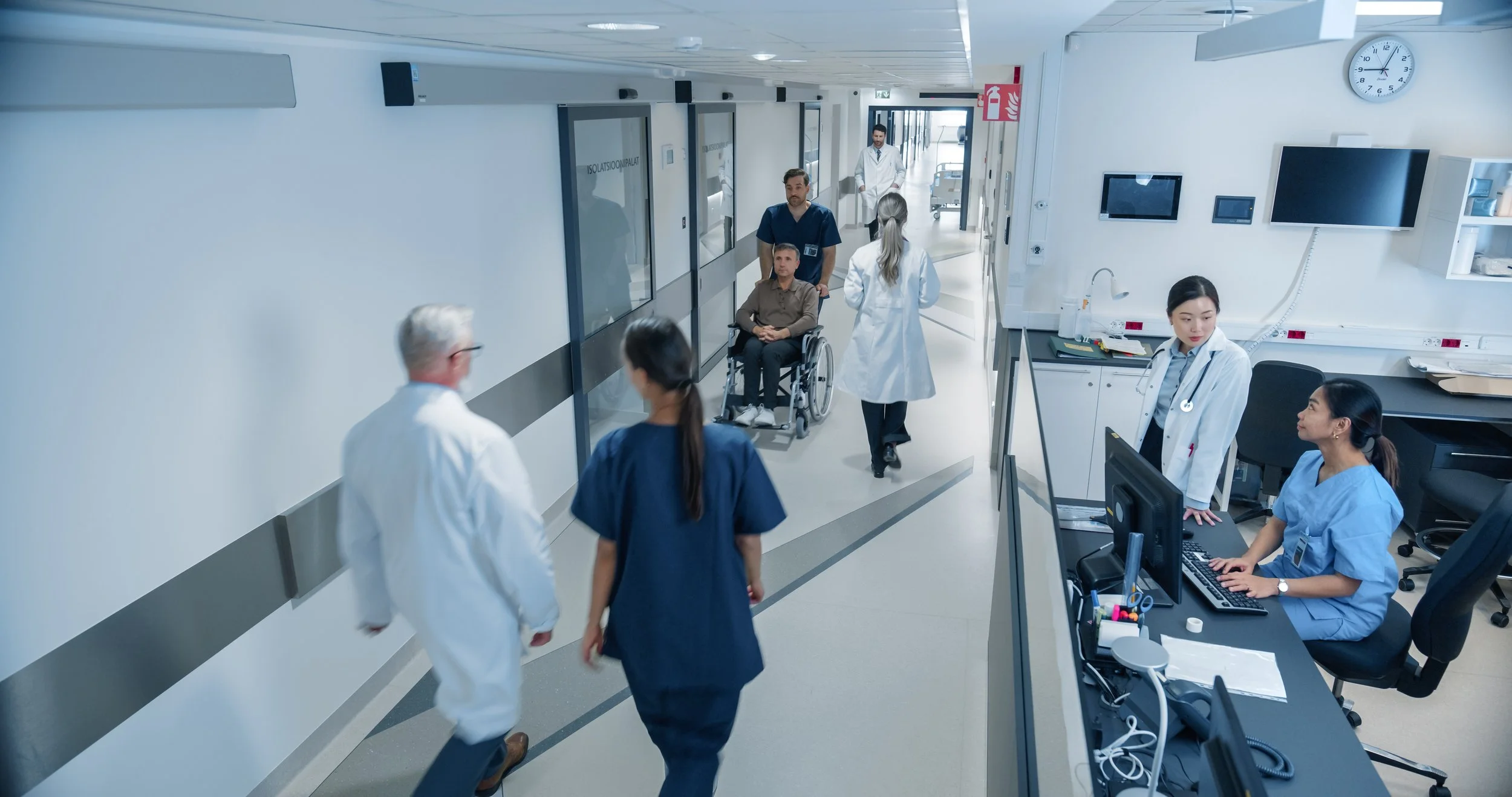
In the modern healthcare ecosystem, video has become a powerful and pervasive tool. It's used to capture surgical procedures for training, facilitate remote telehealth consultations, and monitor patient well-being. This widespread adoption, while enhancing care and operational efficiency, presents a profound challenge: safeguarding patient privacy. As patient data security becomes a top priority, understanding the immense value of video redaction is no longer a choice—it's a critical component of a responsible and compliant healthcare strategy.
The digital health revolution means that sensitive medical information, or Protected Health Information (PHI), is no longer confined to paper charts and digital files. It is now embedded in visual and auditory formats. A single video clip from a hospital hallway might capture an individual's face, their movements, and their conversations. A recorded surgical procedure, invaluable for training, also contains the patient's identifiable features. The risk of inadvertently exposing this information is a serious concern, carrying the potential for severe penalties and a loss of patient trust. This is where the video redaction importance becomes strikingly clear.
Key benefits for Healthcare providers
Protecting privacy video
Protecting privacy video is a non-negotiable legal and ethical obligation. Video redaction provides the solution by meticulously identifying and obscuring sensitive information, such as faces, unique physical characteristics, and confidential data on monitors. This ensures that even when footage is required for legitimate purposes, the privacy of patients and staff who are not relevant to the event is maintained. For instance, when a hospital releases security footage to law enforcement following an incident, redacting video to remove uninvolved patients ensures legal compliance and ethical handling.
Safeguarding sensitive information
Safeguarding sensitive information video also extends to internal and external collaboration. A hospital may need to share a surgical recording with a peer for a second opinion or for research purposes. A mental health facility might need to share a video of a patient's behavior with an external specialist. In these scenarios, video redaction software is essential for removing all identifiers, allowing the clinical or analytical value of the footage to be shared without compromising patient confidentiality. This secure sharing mechanism is a cornerstone of modern healthcare operations, ensuring that the necessary information gets to the right people while protecting everyone else's privacy.
Video data security
Furthermore, video data security is inherently strengthened by proactive redaction. By implementing tools that systematically remove PII and PHI from video and audio, organizations reduce the attack surface for a potential data breach. A stolen or leaked file that has already been redacted contains no sensitive data to exploit, mitigating the risk of exposure. This approach moves healthcare providers from a reactive posture to a proactive one, where privacy is built into the data lifecycle from the very beginning.
Enabling research and training
The video redaction importance for research and training cannot be overstated. Clinical trials and medical research rely on extensive data, and video provides a rich source of behavioral and physical information. By using video redaction software to anonymize patient data, researchers can ethically use this footage to advance scientific understanding without violating privacy. Similarly, training future surgeons or nurses with real-world scenarios is invaluable. Redacting video enables the use of authentic patient interactions and procedures for educational purposes, focusing on the instructional content while preserving patient privacy.
Operational efficiency
Finally, beyond privacy, redacting video offers significant operational benefits. The process of manually redacting footage, especially with multiple individuals and dynamic scenes, is incredibly time-consuming and expensive. For a hospital, a request for a CCTV recording could involve hours of an employee's time. By utilizing automated CCTV redaction and audio redaction tools, healthcare providers can dramatically reduce the time and resources spent on these tasks. This allows staff to focus on higher-value activities, improving overall efficiency and reducing the cost of compliance.
Try our automated audio and video redaction solution today.

A proactive investment in patient trust
The use of video in healthcare holds immense promise for improving patient outcomes and streamlining operations. Yet, this promise can only be realized if it is underpinned by an unwavering commitment to patient data security and privacy. By embracing advanced video redaction software and integrating these tools into their data management strategies, healthcare providers can confidently navigate the complexities of video data. This proactive investment in patient privacy is not just a regulatory checkmark; it's a way to build and maintain the trust that is the cornerstone of the healthcare profession.