
How do you blur a face in a picture
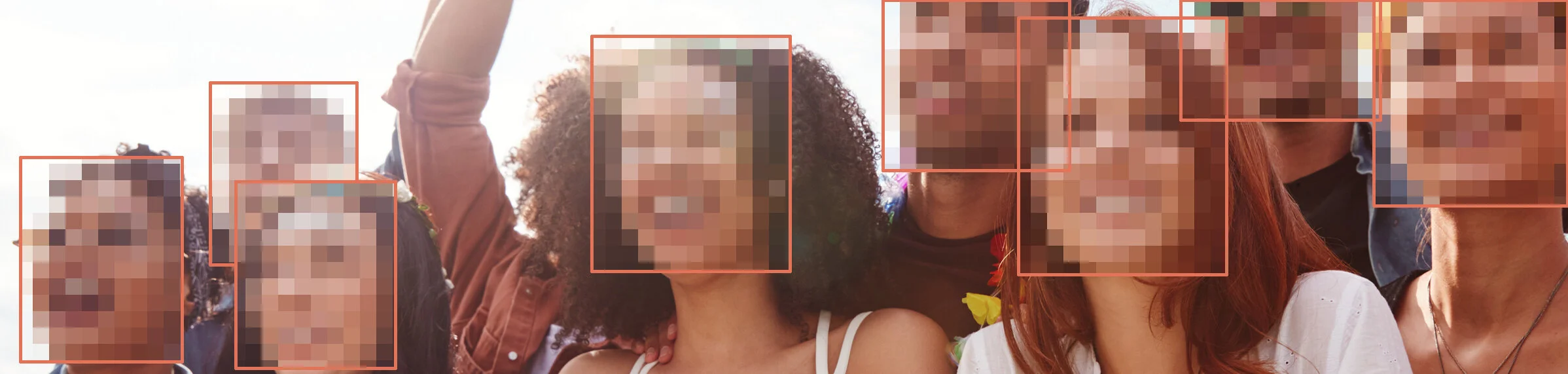
In today's digital world, a picture is no longer just a memory; it's a data point. From a security camera still used by law enforcement to a photo documenting a property claim for an insurance firm, images are captured and stored at an unprecedented rate. Each of these images, however, is a potential privacy risk, containing sensitive information from faces to license plates. The question of how to blur a face in a picture has therefore evolved from a simple editing task into a critical stage of a comprehensive data governance lifecycle. For organizations across all sectors, understanding this full journey is essential for mitigating risk and ensuring compliance.
Try our automated audio and video redaction solution today.

The data lifecycle of a sensitive image
A proactive privacy strategy must account for an image's entire lifespan, from the moment it is created to its final disposal. The act of anonymizing data is a key intervention at a critical stage of this journey.
1. Capture and ingestion
This is the point where the image enters your system. Whether it's a still frame from a CCTV system, a bodycam photo, or an image uploaded by a customer, it is at this stage that sensitive data first becomes a liability. A strong privacy framework starts here, with clear policies on what data is captured and how it is labeled for future processing.
2. Storage and secure access
Once ingested, the unredacted image must be stored securely. This requires a robust system with strict, role-based access controls. Only authorized personnel with a legitimate need-to-know should ever be able to view the raw, unredacted file. The vast majority of a company's workforce should never have access to this sensitive data.
3. Processing and anonymization
This is the pivotal moment. Instead of relying on a time-consuming manual process, modern organizations leverage AI-powered redaction to handle the heavy lifting. The answer to how to blur a photo at scale is to use a tool that automatically detects sensitive information. This allows a user to quickly review the results and apply a consistent redaction (e.g., a simple image blur or an image pixelator) to every face, license plate, or sensitive document in the photo. This automated approach is the only way to effectively process the high volume of images generated by modern operations.
4. Distribution and sharing
Once processed, the redacted file is ready to be shared. This is the only safe version of the image for distribution. Whether it's for an internal review, a public release, or an external legal request, sharing a blurred image ensures that you meet your data privacy obligations while still providing the necessary context of the original photo.
5. Retention and disposal
The final stage of the lifecycle involves the secure retention and eventual disposal of the data. A clear data retention policy must be in place to ensure that all images, both redacted and unredacted, are stored for a legally mandated period and then securely and permanently deleted.
The proactive privacy framework
The question of how to blur a picture is, in effect, a question of risk management. Organizations that rely on manual, ad hoc methods are creating a liability at every stage of the data lifecycle. A single unredacted detail—a face in the background, a street sign, or a text message on a screen—can lead to a data breach or regulatory fines.
A proactive privacy framework, however, integrates anonymization into the entire process. It uses specialized image blurrer tools that are designed to handle the entire workflow, from secure upload to final output. These solutions allow organizations to pixelate and protect images at scale, ensuring that the integrity of their data is protected throughout its lifecycle.
For any organization that handles visual data, the answer to how to blur a photo is not a matter of choice between manual and automated methods, but a strategic decision to embrace the automated solution. It's a proactive step toward mitigating risk, ensuring compliance, and building the trust that is essential for a secure digital future.