
How drones help US law enforcement
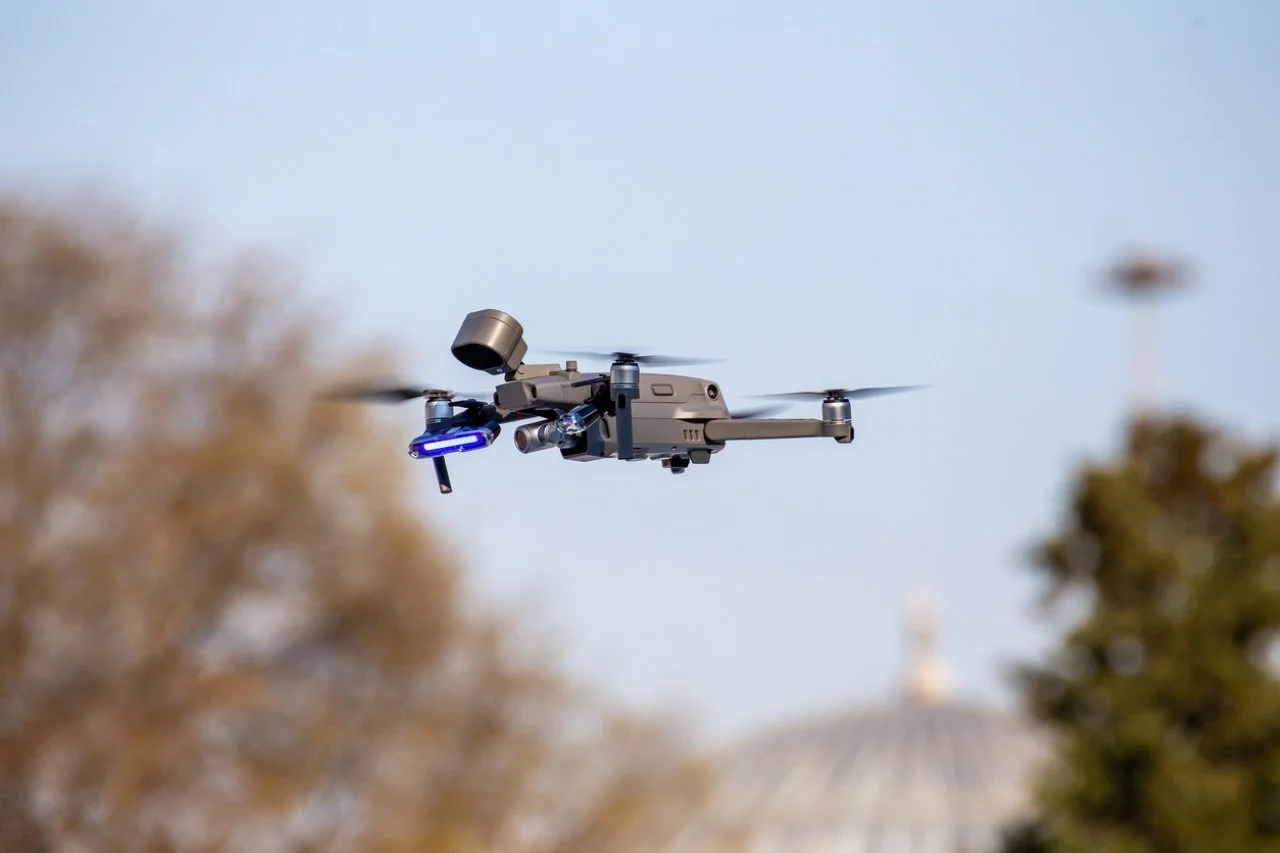
In recent years, the integration of drones, also known as unmanned aerial vehicles (UAVs), into various industries has gained significant traction, particularly within law enforcement in the United States. But is this a net good? This article delves into the numerous advantages of employing drones in US law enforcement, while also exploring how they’re transforming policing efforts across the nation.
Benefits of using drones for law enforcement
Enhanced surveillance capabilities
One of the most notable benefits of drones in law enforcement is their ability to provide enhanced surveillance capabilities. Equipped with state-of-the-art, high-resolution cameras and advanced sensors, these aerial tools allow officers to monitor expansive areas, gather critical intelligence, and track suspects from a safe distance. The agility of drones enables them to access hard-to-reach places, such as rooftops or densely wooded areas, offering a unique vantage point and helping officers make well-informed decisions in real-time.
Quick response to emergencies
In the high-stakes world of emergency response, every second is precious. Drones have proven to be invaluable assets in such situations, as they can be deployed swiftly, often reaching the scene much faster than traditional ground units. This rapid response capability is particularly crucial in life-threatening scenarios, such as active shooter incidents or natural disasters.
Cost-effective operations
From a financial standpoint, drones present a significantly more cost-effective solution compared to traditional aerial surveillance methods, such as helicopters. These compact, unmanned vehicles require less maintenance, fuel, and personnel, making them an attractive option for law enforcement agencies looking to maximise their budget. Moreover, drones can operate for extended periods without the need for frequent breaks, further enhancing their operational efficiency and cost-effectiveness.
Improved officer safety
The safety of law enforcement officers is of paramount importance, and drones have emerged as a powerful tool in minimising risks to personnel. When officers are able to assess potentially dangerous situations remotely, drones provide a vital layer of protection. In high-risk scenarios, such as hostage situations or armed standoffs, drones can gather valuable intelligence without putting officers directly in harm's way.
Gathering evidence
Drones equipped with high-resolution cameras offer a unique advantage in gathering and preserving evidence. The detailed aerial footage and images captured by these devices can be instrumental in criminal investigations, helping to reconstruct crime scenes, track suspects, and provide a comprehensive understanding of the events that transpired. Furthermore, drones can access and document evidence in remote or inaccessible locations, ensuring that no stone is left unturned in the pursuit of justice.
It is worth noting, however, that privacy concerns with drones do remain a preoccupation with civil liberties activists, underscoring the need for clear guidelines and regulations to protect citizens' rights. This is where effective video redaction software for law enforcement can come in useful, allowing agencies to reap the benefits of this technology without infringing on the rights of ordinary people.
Public safety and awareness
Beyond their direct applications in law enforcement operations, drones also play a vital role in enhancing public safety and awareness. During large-scale events, such as concerts or sporting events, drones can be deployed to monitor crowd movements, identify potential threats, and assist in crowd control efforts. Additionally, these aerial tools can be used to disseminate critical information or warnings to the public, such as evacuation instructions during natural disasters or alerts about missing people.
Potential drawbacks of drones for law enforcement
While the benefits of drones in law enforcement are numerous, it’s important to acknowledge and address the potential drawbacks and concerns associated with their use:
Privacy concerns
One of the most significant issues surrounding the use of drones by law enforcement is the potential for privacy violations. The ability of drones to capture high-resolution images and video from the air has raised concerns about the surveillance of everyday individuals, and the subsequent collection of personal data without consent. To address these concerns, it’s key for law enforcement agencies to establish clear guidelines and protocols for drone use, ensuring that privacy rights are respected and that data is collected, stored, and used in accordance with legal and ethical standards.
Technical limitations
Despite their advanced capabilities, drones are not without their technical limitations. Factors such as battery life, range, and payload capacity can restrict the effectiveness of drones in certain situations. Additionally, drones are susceptible to weather conditions, such as strong winds or precipitation, which can hinder their performance or even render them inoperable.
Training and expertise
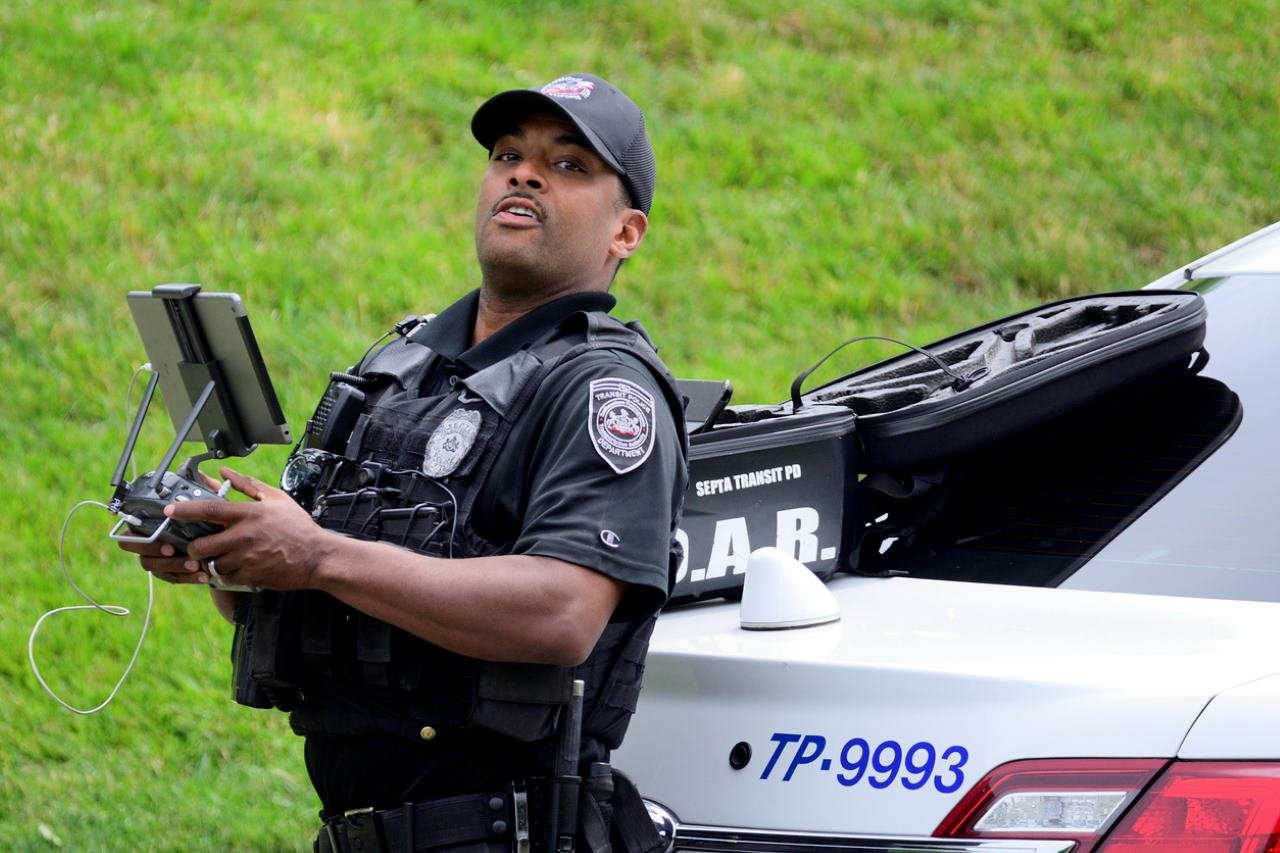
To fully harness the potential of drones in law enforcement, proper training and expertise are essential. Operating drones requires specialised skills and knowledge, including an understanding of aviation regulations, flight planning, and data interpretation. Law enforcement agencies must invest in comprehensive training programs to ensure that officers are proficient in drone operation and can utilise these tools safely and effectively. Additionally, agencies should establish dedicated drone units or designate specific personnel to oversee drone operations, ensuring that the technology is used responsibly and in accordance with established protocols.
Final thoughts
Ultimately, the integration of drones into US law enforcement has opened up a world of possibilities, empowering agencies to enhance public safety, improve operational efficiency, and better serve their communities. From enhanced surveillance capabilities to quick emergency response, cost-effective operations to improved officer safety, the benefits of drones in policing are undeniable. However, addressing the potential drawbacks and concerns associated with their use - particularly in the realm of privacy and legal compliance - is necessary.
As the technology continues to evolve and new applications emerge, law enforcement agencies must remain vigilant in their adoption and use of drones. By establishing clear guidelines, investing in training and expertise, and collaborating with stakeholders, agencies can ensure that drones are used responsibly and effectively, striking a balance between public safety and individual rights.