
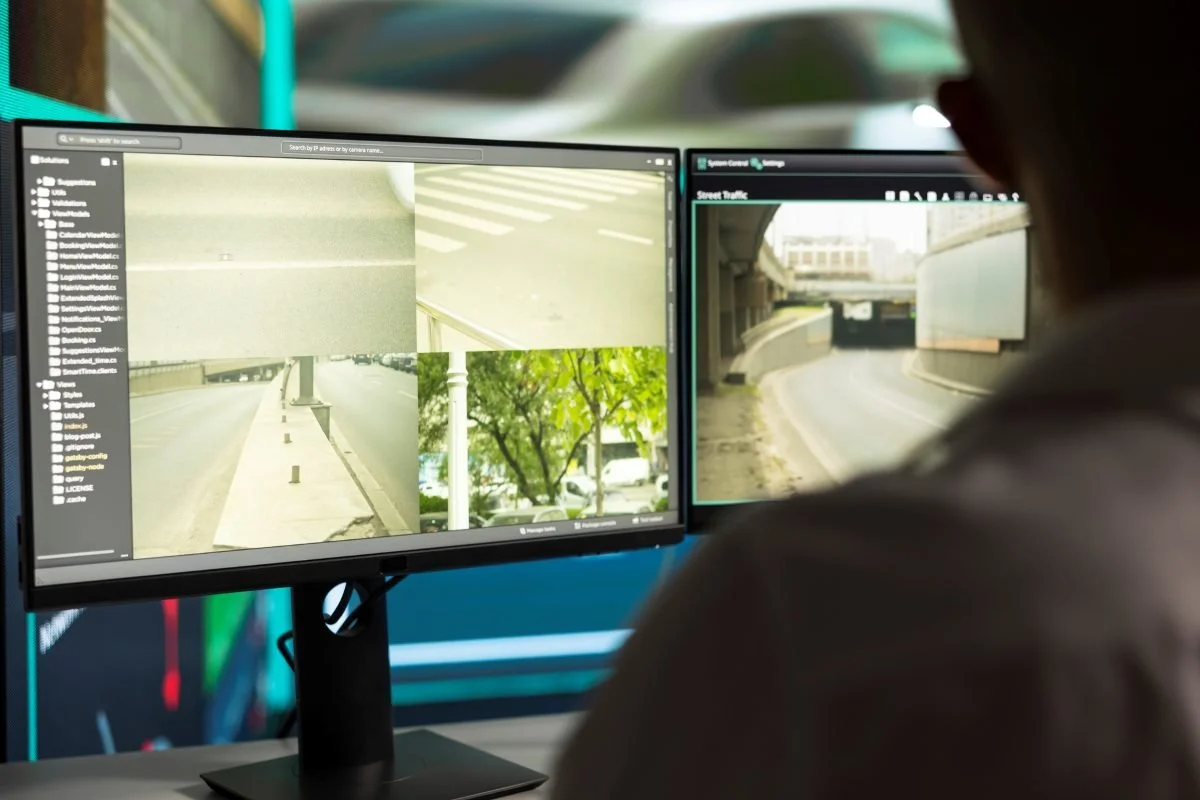
Video evidence can play a central role in insurance investigations. Recordings from security cameras, dash cams, smartphones, and connected devices may help investigators establish what happened, assess damage, and identify inconsistencies in a claim.
However, insurance footage often contains far more information than an investigation requires. A recording of a traffic collision could include unrelated drivers and pedestrians, while property surveillance might reveal neighbors, visitors, or private activities. Investigators must therefore balance the need to examine evidence thoroughly with the responsibility to protect personal information.
Handling sensitive video effectively involves a combination of evidence preservation, controlled access, privacy-aware review, secure sharing, and appropriate redaction. Technology can support each stage, but sound procedures and human judgment remain essential.
Preserve the original evidence
The first priority is protecting the integrity of the original recording. Investigators may need to rely on video during negotiations, litigation, regulatory reviews, or disputes about the outcome of a claim. Making uncontrolled changes to the source file can complicate later examination and raise questions about whether the evidence remains complete.
Investigators should preserve the original file in a secure location and create working copies for analysis or redaction. Where possible, the original recording should be retained in its native format, alongside relevant information about how and when it was obtained.
Useful documentation may include:
The source of the recording
Date and time of collection
Device or camera details
File format and size
Person responsible for obtaining the footage
Any transfers, conversions, or edits performed
The original should not be routinely distributed to every party involved in a claim. Instead, investigators can prepare controlled copies that contain only the information required for a specific purpose.
Simplify video review while safeguarding personal information throughout the claims process.

Assess the reliability of video footage
Video can provide valuable evidence, but it should not automatically be treated as a complete or infallible account of an incident. Camera position, lighting, frame rate, compression, time synchronization, and image quality can all affect interpretation.
For example, a security camera may not capture the entire event, while managing dashcam footage in insurance claims can involve challenges such as inaccurate timestamps, limited camera angles and inconsistent recording quality. A recording may also omit relevant information outside the camera's field of view.
Investigators should consider:
Whether the footage covers the relevant period
If the timestamp appears accurate
Whether audio and video are synchronized
Whether the recording has been compressed or converted
Whether any frames or sections are missing
If the camera angle provides sufficient context
The US Department of Justice's guidance on video evidence highlights the importance of managing different formats, large files, transfers, storage, redaction, and preparation for evidentiary use.
Where video quality or authenticity is disputed, investigators may need assistance from a qualified forensic video analyst. This is particularly relevant when conclusions depend on details that are difficult to see or interpret reliably.
Identify sensitive information
Insurance recordings can contain personal information that is unrelated to the claim. A video of a property incident, for example, might capture neighbors walking past a home, children playing nearby, or vehicle license plates belonging to other drivers.
Investigators should review footage for information such as:
Faces of unrelated individuals
License plates and vehicle identifiers
Home addresses and street numbers
Personal documents or computer screens
Medical information
Private conversations
Images of children or vulnerable individuals
GPS information and other sensitive metadata
The review should consider both visible and audible information. Redacting a person's face may not be sufficient if their name is spoken or another identifying detail remains visible.
The Scientific Working Group on Digital Evidence (SWGDE) identifies bystander identities, witness information, and sensitive metadata as examples of content that may require redaction, depending on the circumstances of disclosure.
Determine who needs access
Not every person involved in an insurance claim needs access to the same footage. An internal investigator may need to examine the complete recording, while an external contractor may only require a short clip showing a specific area of damage.
Before sharing a file, investigators should establish:
Who is receiving the footage?
What is the purpose of the disclosure?
Which parts of the recording are relevant?
What information can be removed or obscured?
What contractual or legal restrictions apply?
How will the recipient protect the file?
This approach supports data minimization by reducing the amount of personal information disclosed unnecessarily. It also helps insurers maintain control over sensitive evidence throughout the claims process.
A disclosure register can record the recipient, purpose, date of transfer, file version, and approval details. This provides a useful reference if questions arise later about who received the footage or why it was shared.
Apply redaction without losing context
Redaction should protect sensitive information while retaining the details necessary to understand the incident. Over-redaction can remove important evidence, while inadequate redaction may expose individuals who are not relevant to the investigation.
For example, a vehicle involved in a collision may need to remain visible, but the license plate of an unrelated car in the background may not be necessary. Similarly, a person's actions may be relevant to a property incident without their face needing to be disclosed.
Investigators should decide what requires redaction before editing begins. A clear edit list can identify the relevant timecodes, objects, individuals, and sections requiring review.
The selected method should also be permanent and appropriate for the intended disclosure. A superficial overlay that can be removed from the exported file may not provide adequate protection.
Use AI to manage large volumes of footage
Manual video redaction can require significant time, especially when individuals move through a scene. A reviewer may need to locate and obscure the same face or license plate across hundreds or thousands of frames.
AI-powered detection and tracking can help automate parts of this process. Instead of manually identifying every appearance, investigators can use software to locate sensitive visual information and maintain redaction as subjects move through the footage.
Pimloc's Secure Redact supports this type of workflow by helping users detect and obscure sensitive information in video. AI-powered processing can reduce repetitive work and help insurance teams prepare footage more efficiently, particularly when multiple claims or lengthy recordings must be handled.
Automation still requires oversight. Reviewers should check whether the software has missed any relevant details, lost track of a moving subject, or obscured information that should remain visible. The level of review should reflect the sensitivity of the footage and the consequences of an inaccurate result.
Protect privacy during third-party sharing
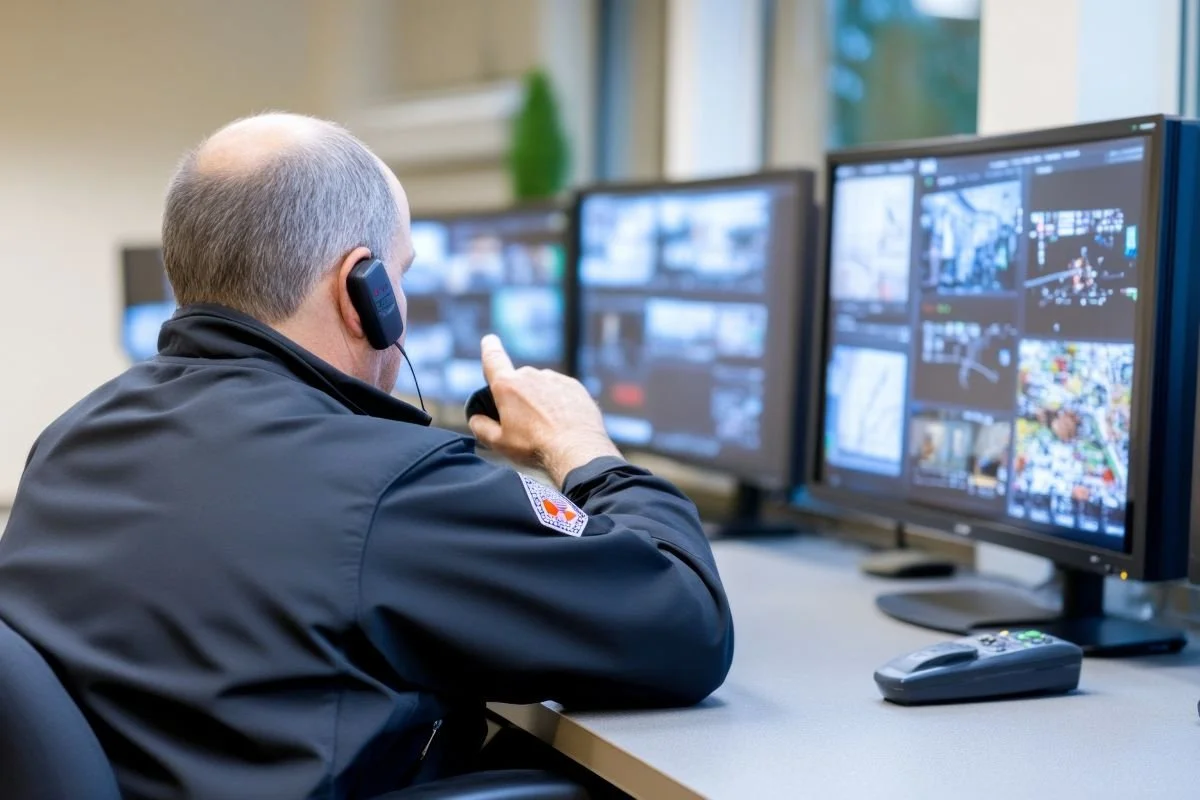
Insurance investigators may share evidence with adjusters, repair companies, attorneys, independent experts, reinsurers, or law enforcement. Each disclosure should be assessed according to the recipient's role and authority.
A secure sharing process should include appropriate technical and administrative controls, such as:
Encryption during transfer and storage
Restricted access permissions
Recipient authentication
Expiring download links
Download and access logging
Clear restrictions on onward sharing
Secure deletion of temporary files
Investigators should verify the recipient's contact details before sending a recording. Sensitive footage should not be shared through personal accounts or unapproved platforms simply because they are convenient.
The receiving party's responsibilities should also be clear. Agreements may need to cover permitted use, retention, security requirements, subcontractors, and the circumstances in which footage can be shared further.
Maintain an accurate audit trail
A documented chain of handling helps demonstrate how video evidence was collected, processed, and disclosed. While specific requirements vary by claim and jurisdiction, consistent records can support accountability and reduce confusion.
An audit trail may record:
The original file and its storage location
Copies created for investigation or redaction
Changes in file format
Redaction decisions
Review and approval dates
People who accessed the footage
Recipients and transfer methods
Documentation should distinguish between factual observations and conclusions drawn from the recording. Investigators should avoid presenting an automated detection or interpretation as definitive without appropriate verification.
Pimloc's Secure Redact can form part of a structured workflow in which sensitive footage is processed before authorized release. Our insurance privacy compliance software helps organizations demonstrate that privacy considerations were incorporated into evidence handling.
Review audio and metadata
Video privacy reviews should not focus solely on visible faces. Audio tracks and metadata may contain information that is equally sensitive.
A recording could include a person's name, address, medical details, or private conversation. Metadata may also reveal location information, device identifiers, or other technical details that are not necessary for the recipient.
Investigators should determine whether the audio is needed for the claim and whether any sensitive sections require removal or modification. If audio is not relevant, removing the track may be appropriate in some circumstances, provided doing so does not compromise the evidentiary purpose.
Metadata should be reviewed before disclosure, particularly when the recipient only needs to examine the visual content. Any alterations should be documented, and the original information should remain preserved in the source evidence where required.
Establish A repeatable investigation workflow
A consistent process makes sensitive video easier to manage across different claims and investigation teams. Rather than treating redaction as an afterthought, insurers should incorporate privacy review into their evidence-handling procedures from the beginning.
A practical workflow may include:
Receive and securely preserve the original recording.
Record its source, format, and relevant circumstances.
Assess the footage's quality, completeness, and evidentiary value.
Identify personal information and sensitive content.
Determine the purpose and recipients of any disclosure.
Create and review an appropriately redacted copy.
Check the final file for missed information and technical issues.
Transfer the recording securely and document the disclosure.
The US Department of Justice recommends planning for video redaction early, selecting tools and personnel based on the volume and complexity of the footage, and recognizing that processing can require substantial time and resources.
Training should cover both technology and decision-making. Investigators need to understand when to escalate a concern, how to preserve evidence, and why an automated result should not replace professional judgment.
Build privacy into claims investigations
Sensitive video evidence can help insurers make informed decisions, but its collection and use must be carefully managed. Protecting the privacy of unrelated individuals is particularly important when footage is shared outside the original investigation team.
Preserving source files, assessing reliability, limiting access, reviewing audio and metadata, and applying accurate redaction can create a more dependable evidence-handling process. AI can support this work by reducing manual editing and helping investigators process larger quantities of footage.
At Pimloc, we recognize that insurers need to balance evidentiary value with responsible information handling. Secure Redact helps support privacy-conscious video workflows, allowing teams to obscure sensitive content while retaining the visual context required for legitimate investigations.
Frequently asked questions
-
Video can help establish the sequence of events, assess damage, identify relevant details, and investigate inconsistencies. It may also contain personal information that must be protected during review and disclosure.
-
The original should generally be preserved securely and kept separate from working copies. Redaction and other processing should be performed on a copy, with changes documented appropriately.
-
Depending on the circumstances, investigators may need to obscure unrelated faces, license plates, addresses, documents, or other identifying information. Audio and metadata may also require review.
-
AI tools can detect and track subjects, but performance may vary according to lighting, movement, image quality, and occlusion. A person should review the final recording for missed or inaccurate redactions.
-
Access should be limited to authorized individuals with a legitimate investigative, legal, or operational need. The appropriate permissions depend on the claim, organizational policy, and applicable requirements.
-
Not necessarily. The need for redaction depends on the footage, the purpose of disclosure, the recipient, and relevant legal or contractual obligations. Each disclosure should be assessed individually.
-
They should use approved secure-sharing systems with appropriate access controls, encryption, authentication, and logging. Recipient details should be verified before the file is sent.
-
The organization should assess the exposure, follow its incident response procedures, notify relevant internal teams, and determine whether any legal or contractual notifications are required. Future workflows should be reviewed to prevent recurrence.