
Protecting district attorney offices from data breaches

District Attorney offices handle some of the most sensitive information in the criminal justice system. Prosecutors manage criminal case files, witness statements, evidence records, body-worn camera footage, investigative reports, financial records, medical information, and personally identifiable information (PII) relating to victims, defendants, law enforcement personnel, and members of the public. This information is essential to the administration of justice, but it also makes District Attorney offices attractive targets for cybercriminals.
In recent years, cyberattacks against public sector organizations have increased significantly across the United States. Government agencies, courts, law enforcement departments, and prosecutor offices are frequently targeted because they often possess valuable data while operating under tight budgets and limited IT resources. A successful breach can disrupt criminal proceedings, expose confidential information, damage public trust, and create significant legal and operational consequences.
Protecting sensitive information is no longer solely an IT responsibility. Cybersecurity has become a core operational requirement for District Attorney offices. From securing digital evidence to managing third-party vendors and training staff, prosecutors must adopt comprehensive strategies that reduce risk while supporting the demands of modern criminal justice operations.
Protect sensitive case data with secure, AI-powered redaction workflows.

Why are district attorney offices attractive targets for cybercriminals?
Cybercriminals typically seek either financial gain, operational disruption, or access to valuable information. District Attorney offices offer opportunities for all three.
Criminal case files often contain extensive personal information, including names, addresses, phone numbers, financial details, medical records, criminal histories, and investigative materials. This information can be exploited for identity theft, fraud, extortion, or other criminal activities. In some cases, threat actors may seek information related to ongoing investigations or high-profile prosecutions.
Additionally, prosecutors play a critical role in the justice system. Any disruption to their operations can delay court proceedings, interfere with investigations, and create significant public consequences. This makes District Attorney offices attractive targets for ransomware groups seeking to pressure organizations into paying demands.
Unlike private companies that may have substantial cybersecurity budgets, many government agencies must balance security investments against numerous competing priorities. Cybercriminals are aware of these challenges and often view public sector organizations as vulnerable targets.
What types of information are most at risk?
District Attorney offices manage a wide range of sensitive data throughout the lifecycle of criminal cases.
Criminal Case Records
Case files often contain evidence summaries, investigative reports, charging documents, witness statements, and court filings. Unauthorized disclosure can compromise prosecutions and expose confidential information.
Victim Information
Victims frequently provide personal details, medical records, photographs, and statements during investigations. Protecting this information is essential for both privacy and public trust.
Witness Information
Witness identities and contact information are particularly sensitive. Unauthorized disclosure may place individuals at risk and discourage future cooperation with law enforcement.
Digital Evidence
Modern investigations increasingly rely on digital evidence, including surveillance footage, bodycam recordings, mobile phone extractions, social media content, and audio recordings. These files often contain information relating to individuals who are not directly involved in criminal proceedings.
Employee Data
District Attorney offices also maintain personnel records containing sensitive employee information, payroll data, background checks, and other confidential records.
Because a single breach may expose multiple categories of information simultaneously, comprehensive protection measures are essential.
How do data breaches typically occur?
While sophisticated cyberattacks receive significant attention, many breaches result from relatively common security failures.
Phishing Attacks
Phishing remains one of the most successful attack methods. Employees may receive emails designed to appear legitimate but intended to steal credentials, install malware, or gain access to internal systems.
Ransomware
Ransomware attacks can encrypt critical files and disrupt access to case management systems, evidence repositories, and communication platforms. Recovery efforts may take weeks or even months.
Weak Access Controls
Excessive user permissions, shared accounts, and weak password practices can increase the likelihood of unauthorized access.
Insider Threats
Not all breaches originate externally. Employees, contractors, or third-party vendors may accidentally or intentionally expose sensitive information through improper handling practices.
Third-Party Vulnerabilities
Many prosecutor offices rely on external software providers, cloud services, consultants, and technology vendors. Weaknesses within these organizations can create pathways into government systems.
In many cases, breaches occur through a combination of technical vulnerabilities and human error rather than a single catastrophic failure.
Why is digital evidence a growing security challenge?
The volume of digital evidence handled by prosecutors continues to grow every year. Bodycam recordings, dashcam footage, surveillance videos, phone records, emails, text messages, and social media evidence now play central roles in criminal investigations.
While digital evidence provides valuable insights, it also creates significant security responsibilities. These files are often large, difficult to manage, and frequently contain sensitive information relating to victims, witnesses, minors, and uninvolved members of the public.
Sharing evidence with defense attorneys, investigators, courts, and external experts introduces additional risk. Each transfer creates potential opportunities for unauthorized access, accidental disclosure, or mishandling.
Organizations must ensure that evidence remains secure throughout its lifecycle, from collection and storage to disclosure and archival. Strong access controls, audit trails, and secure evidence management systems help maintain the integrity and confidentiality of critical records.
How can access controls reduce breach risks?
Access management is one of the most effective methods for protecting sensitive information.
Not every employee requires access to every file. Prosecutors, investigators, administrative staff, and external partners should only have access to information necessary for their specific responsibilities.
Role-based access controls help limit exposure by ensuring users can only view data relevant to their work. Multifactor authentication adds an additional layer of protection by reducing the risk associated with compromised passwords.
Regular access reviews are equally important. Employees who change roles or leave the organization should have permissions updated promptly to prevent unnecessary exposure.
By limiting access to sensitive information, District Attorney offices can significantly reduce the potential impact of both external attacks and insider threats.
Why is employee training essential?
Technology alone cannot prevent every data breach. Employees remain one of the most important components of any cybersecurity strategy.
Staff members interact with sensitive information daily. They open emails, access case files, review evidence, communicate with external partners, and manage critical systems. Without proper training, even experienced personnel may inadvertently create security vulnerabilities.
Effective cybersecurity training should address:
Phishing and social engineering attacks
Password security
Secure file sharing practices
Data handling procedures
Mobile device security
Incident reporting processes
Remote work risks
Training should not be treated as a one-time exercise. Ongoing education helps employees stay informed about emerging threats and evolving security requirements.
Organizations that foster strong cybersecurity awareness often experience fewer incidents and recover more quickly when problems occur.
How can prosecutor offices secure digital evidence sharing?
Evidence sharing presents unique challenges because prosecutors must balance transparency, legal obligations, and privacy requirements.
Before evidence is shared externally, sensitive information often needs to be reviewed carefully. Video recordings may contain faces of uninvolved individuals. Audio files may include personal information. Documents may contain protected identifiers that are not relevant to legal proceedings.
This is where technology can significantly improve both efficiency and security.
Pimloc's Secure Redact allows prosecutor offices to identify and remove sensitive information from videos, audio recordings, images, and documents before disclosure. Rather than relying entirely on manual review processes, Secure Redact uses AI-powered detection to help organizations protect privacy while maintaining evidentiary value.
For agencies managing large volumes of bodycam recordings and investigative media, AI-powered tools for managing bodycam footage can help reduce disclosure risks while accelerating evidence review workflows. Pimloc's Secure Redact supports scalable redaction processes, detailed audit trails, and secure information sharing that aligns with modern criminal justice requirements.
By reducing unnecessary exposure of personal information, prosecutors can improve compliance and strengthen public trust.
What role do vendors play in data security?
District Attorney offices increasingly depend on external vendors for software, cloud infrastructure, evidence management platforms, and cybersecurity services.
While these partnerships provide valuable capabilities, they also expand the organization's risk surface.
Before engagig vendors, prosecutor offices should evaluate:
Security certifications
Privacy practices
Incident response procedures
Access management controls
Data storage policies
Regulatory compliance history
Contracts should clearly define security expectations and reporting obligations. Ongoing monitoring is equally important because vendor risks can change over time.
Strong vendor oversight helps ensure that third-party partners support rather than undermine organizational security objectives.
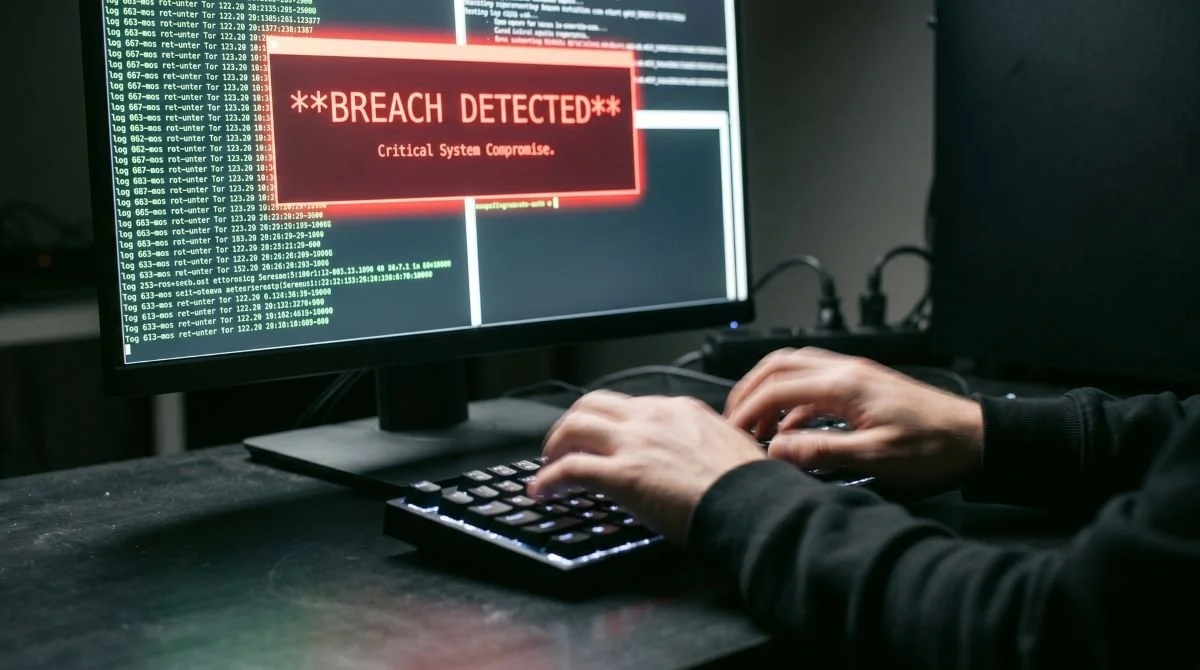
How should offices respond to a data breach?
Even organizations with mature security programs must prepare for the possibility of an incident.
A well-developed incident response plan can significantly reduce the impact of a breach. The plan should clearly define roles, responsibilities, communication procedures, and escalation paths.
Effective response strategies typically include:
Rapid Detection
The faster an incident is identified, the faster containment efforts can begin.
Containment Measures
Organizations should isolate affected systems quickly to prevent further spread.
Investigation
Security teams must determine what happened, what information was affected, and whether ongoing threats remain.
Notification Procedures
Depending on applicable laws and regulations, organizations may need to notify affected individuals, law enforcement agencies, regulators, or other stakeholders.
Recovery and Improvement
Following an incident, organizations should review lessons learned and strengthen controls to prevent similar events in the future.
Preparation often determines whether a cybersecurity incident becomes a manageable disruption or a major organizational crisis.
Why does public trust depend on strong data protection?
District Attorney offices occupy a unique position within the justice system. They are entrusted with protecting sensitive information while ensuring fairness, transparency, and accountability.
A significant data breach can undermine public confidence in these responsibilities. Victims may hesitate to cooperate. Witnesses may fear disclosure of personal information. Community members may question whether their data is being handled appropriately.
Maintaining strong cybersecurity practices demonstrates a commitment to protecting the individuals who interact with the justice system.
This responsibility extends beyond technical compliance. It reflects a broader obligation to safeguard the integrity of criminal proceedings and maintain confidence in public institutions.
Organizations that prioritize protecting confidential legal information are better positioned to support both public trust and effective prosecution outcomes.
Building a stronger security future for prosecutor offices
Data breaches represent one of the most significant operational risks facing District Attorney offices today. The increasing volume of digital evidence, growing cyber threats, and expanding reliance on third-party technology providers have created a complex security environment that requires proactive management.
Protecting sensitive information requires more than firewalls and antivirus software. It demands comprehensive governance, employee training, access controls, vendor oversight, incident preparedness, and secure evidence management practices.
Solutions such as Pimloc's Secure Redact help strengthen these efforts by enabling secure sharing of videos, audio recordings, images, and documents while protecting sensitive information contained within them. Combined with broader cybersecurity initiatives, these technologies support a more resilient and trustworthy criminal justice system.
As cyber threats continue to evolve, District Attorney offices that invest in strong security practices today will be better prepared to protect their data, their cases, and the communities they serve tomorrow.