
Risks of redaction failure in public records: how to prevent them
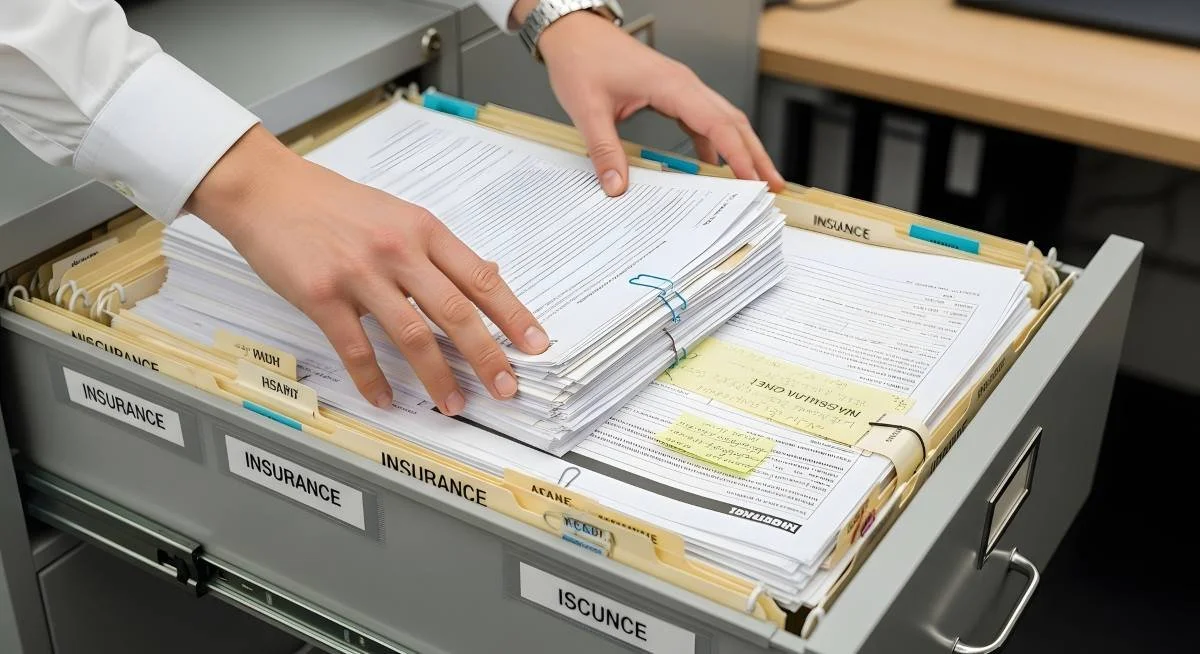
Public records in the United States play a critical role in ensuring government transparency and accountability. From law enforcement reports and court filings to municipal documents and FOIA disclosures, these records allow citizens, journalists, and oversight bodies to understand how public institutions operate. However, as the volume and complexity of digital records have increased, so too has the risk of redaction failures.
A redaction failure occurs when sensitive or personally identifiable information is not properly removed before a document is released. These errors can expose private data, compromise investigations, and undermine public trust. In some cases, they may even lead to legal liability or regulatory scrutiny under federal and state privacy laws.
While many organizations rely on redaction as a standard part of their disclosure process, it is often treated as a manual or semi-automated task. This creates opportunities for human error, inconsistent application of rules, and incomplete reviews. Understanding mistakes to avoid in redaction why these failures happen is essential to preventing them.
Why do redaction failures happen in public records?
Redaction failures often stem from a combination of human error, outdated processes, and increasing data complexity. Public records are rarely simple documents; they often contain embedded metadata, layered PDFs, scanned images, and multimedia elements that make manual review difficult.
One of the most common causes is simple oversight. When staff are working under tight deadlines, it is easy to miss small but critical details such as names in footnotes, identifiers in headers, or sensitive information embedded in images. Even experienced reviewers can miss data when working across large volumes of documents.
Another contributing factor is inconsistency in redaction standards. Different departments or individuals may apply varying interpretations of what constitutes sensitive information. Without standardized guidelines, the same type of document may be handled differently across teams, increasing the likelihood of error.
Finally, legacy systems and fragmented workflows can make it difficult to maintain a consistent review process. Documents may pass through multiple systems or users before release, increasing the risk that redactions are missed or improperly applied.
Prevent data exposure by performing all redactions within secure, validated systems supported by audit-ready processes.

What types of redaction failures are most common?
Redaction failures can take many forms, but several patterns appear consistently across public sector workflows in the United States. One of the most frequent issues is incomplete redaction, where only part of a sensitive detail is obscured. For example, a name may be partially removed but still identifiable through context.
Another common issue is metadata leakage. Even when visible content is properly redacted, hidden metadata within files (such as author names, revision history, or embedded comments) can still expose sensitive information. This is particularly relevant for digital documents that undergo multiple edits before release.
Improper image redaction is also a recurring problem. In scanned documents or PDFs, sensitive information may appear within images or seals that are not detected by basic redaction tools. If these elements are not properly processed, they can bypass traditional text-based review methods entirely.
In some cases, redaction is applied inconsistently across related documents. This can create gaps in disclosure sets, where some versions of a record are properly redacted while others are not, leading to confusion or accidental exposure.
What are the consequences of redaction failures?
The consequences of redaction failures in public records can be significant. At the most basic level, they can lead to the unintended disclosure of personal information, including names, addresses, financial details, or information related to ongoing investigations.
From a legal perspective, such failures can expose agencies to compliance risks under frameworks such as the Freedom of Information Act (FOIA), state-level public records laws, and privacy regulations. In some cases, organizations may be required to issue corrections, recalls, or public notices to address improper disclosures.
Beyond legal implications, redaction failures can also damage public trust. When sensitive information is released unintentionally, it can create the perception that an agency is not handling data responsibly. This can undermine confidence in future disclosures, even when processes have been corrected.
Operationally, redaction failures can also create significant inefficiencies. Agencies may need to reprocess entire document sets, issue corrected versions, and respond to inquiries or complaints, all of which consume additional time and resources.
How can organizations prevent redaction failures?
Preventing redaction failures requires a combination of clear policy, staff training, and technology-driven safeguards. One of the most effective strategies is standardizing redaction procedures across all departments. This ensures that everyone involved in the disclosure process is applying the same rules and expectations.
Training is also essential. Staff responsible for reviewing public records must understand not only what needs to be redacted, but also how sensitive information can appear in unexpected forms. This includes awareness of metadata, embedded images, and contextual identifiers.
Technology plays a critical role as well. Automated redaction tools can help reduce reliance on manual review by identifying sensitive information more consistently across large datasets. Solutions such as Pimloc’s Secure Redact platform support this process by applying standardized detection rules across video, audio, and document content, reducing variability and human error.
In addition, quality assurance steps such as secondary reviews or audit checks can help catch issues before documents are released. While automation reduces workload, oversight remains an important safeguard in high-stakes disclosures.
How does automation reduce redaction risk?
Automation reduces redaction risk by introducing consistency into a process that is often highly variable when done manually. Unlike human reviewers, automated systems apply the same detection logic every time, regardless of workload or time pressure.
Modern systems can analyze documents at scale, identifying patterns such as names, addresses, license plates, and other forms of personally identifiable information. This reduces reliance on individual interpretation and helps ensure that sensitive data is consistently flagged for review or removal.
Automation is particularly effective in environments where large volumes of records must be processed quickly, such as law enforcement agencies responding to FOIA requests or public records disclosures. In these contexts, manual review alone can become a bottleneck that increases the risk of error.
When integrated properly into existing workflows, automation does not replace human oversight but instead supports it by handling repetitive detection tasks and allowing staff to focus on higher-level review and validation.

What role does audio and video content play in redaction risk?
While most redaction discussions focus on text documents, audio and video content introduce additional layers of complexity. Spoken information in recordings can contain names, locations, and other sensitive details that are not visible in written form. If this content is not reviewed, it can result in unintended disclosures even when visual redaction is properly applied.
This is particularly important in law enforcement and public sector environments where body-worn camera footage, interview recordings, and surveillance video are increasingly common. Without proper processing, sensitive audio can remain accessible even after visual elements have been redacted.
Addressing this requires tools that go beyond traditional document redaction and incorporate multimodal analysis. It also reinforces the importance of audio redaction in ensuring that all forms of personal data are properly protected before release.
How does Pimloc support safer public records workflows?
Public agencies are increasingly turning to integrated platforms to manage the complexity of modern redaction requirements. Pimloc’s Secure Redact platform is designed to support these workflows by combining automated detection with scalable processing capabilities across multiple data types.
By applying consistent rules across documents, audio, and video, the platform helps reduce variability in redaction outcomes. This is particularly valuable in high-volume environments where manual review alone is not sufficient to maintain accuracy and consistency.
For agencies looking to improve operational efficiency while reducing risk, automated privacy protection for police documentation plays an important role in modernizing disclosure workflows. They help ensure that sensitive information is properly handled at every stage of the process.
Preventing redaction failures through better systems
Redaction failures in public records are rarely the result of a single mistake. Instead, they typically emerge from systemic issues such as inconsistent workflows, insufficient training, and reliance on manual processes in high-volume environments.
Preventing these failures requires a layered approach that combines clear standards, staff awareness, and modern technology. As public records continue to grow in complexity, organizations that invest in structured, automated, and auditable workflows will be better positioned to protect sensitive information while maintaining transparency.
Ultimately, effective redaction is not just about removing data. It is about ensuring that public accountability and individual privacy can coexist within the same disclosure process.