
The evolution of police body-worn cameras
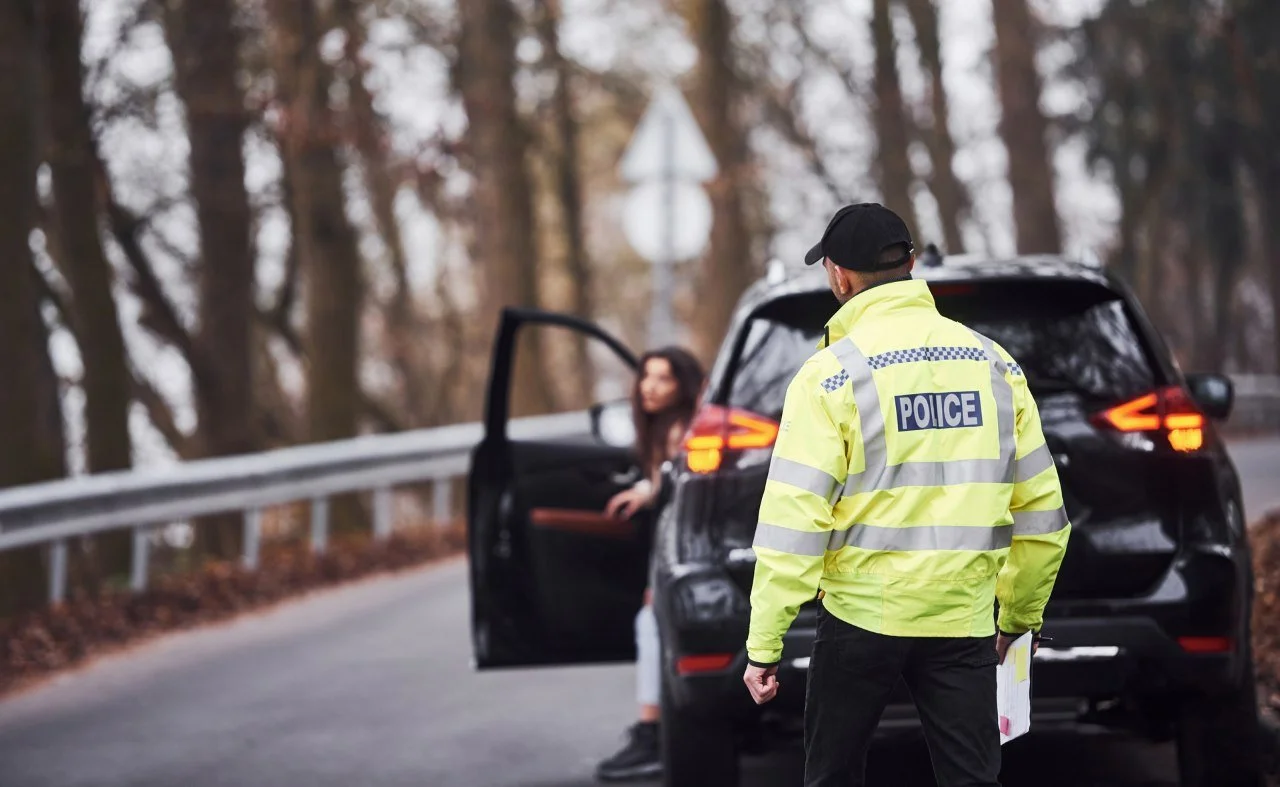
Body-worn cameras (BWCs) have become an increasingly common sight on police officers both in the United States and around the world. These small devices have had a significant impact on law enforcement practices, community relations, and the broader conversation about police accountability, but how have they evolved and influenced modern policing as technology advances?.
Early development of body-worn cameras
The concept of body-worn cameras for law enforcement isn't entirely new, as the idea of recording police interactions has been around since the introduction of dashboard cameras in patrol cars in the 1980s. However, the development of compact, wearable cameras specifically for officers on foot patrol began to gain traction in the early 2000s.
Initially, these early BWCs were bulky, had limited battery life, and often produced low-quality footage. Despite these limitations, they represented a significant step forward in documenting police interactions and providing a new level of transparency in law enforcement operations.
Advancements in BWC technology
As with most technologies, body-worn cameras have undergone rapid advancements since their initial introduction. Today's BWCs are smaller, lighter, and more durable than their predecessors, offering high-definition video, improved audio quality, and longer battery life. Many modern BWCs also incorporate features like night vision, wide-angle lenses, and even real-time streaming capabilities.
One of the most significant advancements has been in data storage and management. Early BWCs required manual downloading of footage, which was time-consuming and posed potential chain-of-custody issues. Modern systems often feature automatic uploading to secure cloud storage, ensuring that footage is preserved and easily accessible when needed.
In 2024, body-worn camera dynamics have evolved significantly, balancing the need for accountability with privacy concerns. This shift - particularly around ethics - has necessitated the development of robust policies and procedures around BWC use and data management.
Deployment and adoption by law enforcement agencies
The widespread adoption of body-worn cameras by law enforcement agencies began in earnest in the mid-2010s. High-profile incidents of police use of force, particularly those involving racial minorities such as Michael Brown in 2014, sparked public demand for greater police accountability and transparency. In response, many agencies began piloting BWC programs.
Early adopters faced numerous challenges, from technical issues to policy development and officer training. However, as the technology improved and best practices emerged, more agencies began implementing BWC programs. Today, body-worn cameras are standard equipment for many police departments across the United States and in many other countries.
Impact on policing practices
The introduction of body-worn cameras has had a profound impact on policing practices. Let's explore some of the key areas where BWCs have made a difference:
Enhanced accountability and transparency
One of the primary goals of BWC programs is to increase police accountability and transparency. By providing an objective record of police interactions, BWCs can help resolve disputes about officer conduct and provide valuable evidence in investigations of police misconduct.
Improved evidence collection and documentation
Body-worn cameras have proven to be powerful tools for evidence collection. They can capture crucial details at crime scenes, record witness statements, and document the circumstances surrounding arrests and other police actions. This detailed documentation can be invaluable in court proceedings.
De-escalation of confrontations and use of force reduction
Studies have shown that the presence of body-worn cameras can lead to a reduction in use of force incidents and citizen complaints against officers. The knowledge that interactions are being recorded often encourages both officers and citizens to behave more respectfully and professionally.
Training and professional development
Footage from body-worn cameras has become an important tool for police training and professional development. Reviewing real-world interactions can help officers improve their communication skills, de-escalation techniques, and decision-making processes.
Community relations and public perception
BWCs can play a crucial role in building trust between law enforcement agencies and the communities they serve. The transparency provided by these devices can help dispel misconceptions about police conduct and provide clarity in controversial incidents.
Legal and ethical considerations

However, the widespread use of body-worn cameras has raised a number of legal and ethical questions that agencies must grapple with:
Privacy rights and data protection
One of the primary concerns surrounding BWCs is the potential invasion of privacy. Agencies must carefully balance the need for transparency with the privacy rights of both officers and citizens.
Fourth amendment rights and search and seizure
The use of BWCs in private residences and during searches has raised questions about Fourth Amendment (US) and citizen (global) protections against unreasonable searches and seizures. Courts are still working to establish clear guidelines in this area.
Officer discretion and public recording
Policies around when officers should activate their cameras and how to handle situations where citizens are also recording can be complex; balancing officer discretion with the public's right to record has been a challenge for many agencies.
Challenges and future directions
As body-worn camera technology continues to evolve, law enforcement organizations still face ongoing challenges:
Technology integration and compatibility
Integrating BWCs with other police technologies, such as computer-aided dispatch systems and records management software, remains a challenge for many agencies.
Data management and storage
The sheer volume of data generated by BWCs poses significant storage and management challenges. Many agencies are turning to cloud-based solutions and video redaction software for law enforcement to help manage this data effectively.
Final thoughts
Overall, the evolution of police body-worn cameras represents a significant shift in law enforcement practices, but one that comes with ethical drawbacks that still aren’t entirely accounted for. While these devices have the potential to enhance accountability, improve evidence collection, and strengthen community relations, we can only truly assess their effectiveness on how they are implemented and used.