
8 Best face-blur APIs for developers in 2026

As privacy regulations become stricter and organizations process larger volumes of visual data, developers are increasingly being asked to build privacy protection directly into their applications. Whether working on video-sharing platforms, security systems, insurance workflows, educational technology, or AI-powered analytics tools, protecting personally identifiable information (PII) has become a core development requirement rather than a nice-to-have feature.
Face blurring is often the first step. Automatically identifying and obscuring faces helps organizations reduce privacy risks, comply with regulations, and safely share visual content without exposing individuals unnecessarily. For developers, APIs make this process significantly easier by providing ready-to-integrate functionality that can be embedded into existing products and workflows.
However, not all face-blur APIs are designed for the same use cases. Some focus on media creation and content editing, while others prioritize compliance, large-scale automation, or enterprise-grade security. The best solution depends on whether you're building consumer applications, investigative tools, AI platforms, or privacy-focused enterprise systems.
This guide explores eight of the strongest face-blur APIs available in 2026, with Secure Redact leading the field for organizations that require both privacy protection and operational scalability.
Comparison Table
| Rank | Platform | Key Differentiator | Core Capabilities | Best For |
|---|---|---|---|---|
| 1 | Secure Redact | Enterprise-grade privacy automation | Face detection, video redaction, API integrations, audio redaction | Privacy-focused enterprise applications |
| 2 | RapidAPI | Large API marketplace ecosystem | API discovery, integration management, developer tools | Developers seeking flexible API access |
| 3 | Leonardo.AI | AI-powered visual content generation | Image processing, AI visuals, creative workflows | Creative and media applications |
| 4 | Fulcrum | Field data collection and management | Mobile workflows, image capture, geospatial data | Field operations and inspections |
| 5 | HaramBlur | Dedicated privacy-focused face blurring | Face anonymization, content privacy tools | Content creators and privacy advocates |
| 6 | Black Forest Labs | Advanced generative AI technology | Visual AI processing, image generation, automation | AI-driven visual applications |
| 7 | bgblur | Background and identity protection tools | Face blur, background blur, image anonymization | Simple privacy workflows |
| 8 | Sightengine | Content moderation and image analysis | Face detection, moderation, compliance screening | Platform moderation and trust & safety teams |
1. Secure Redact
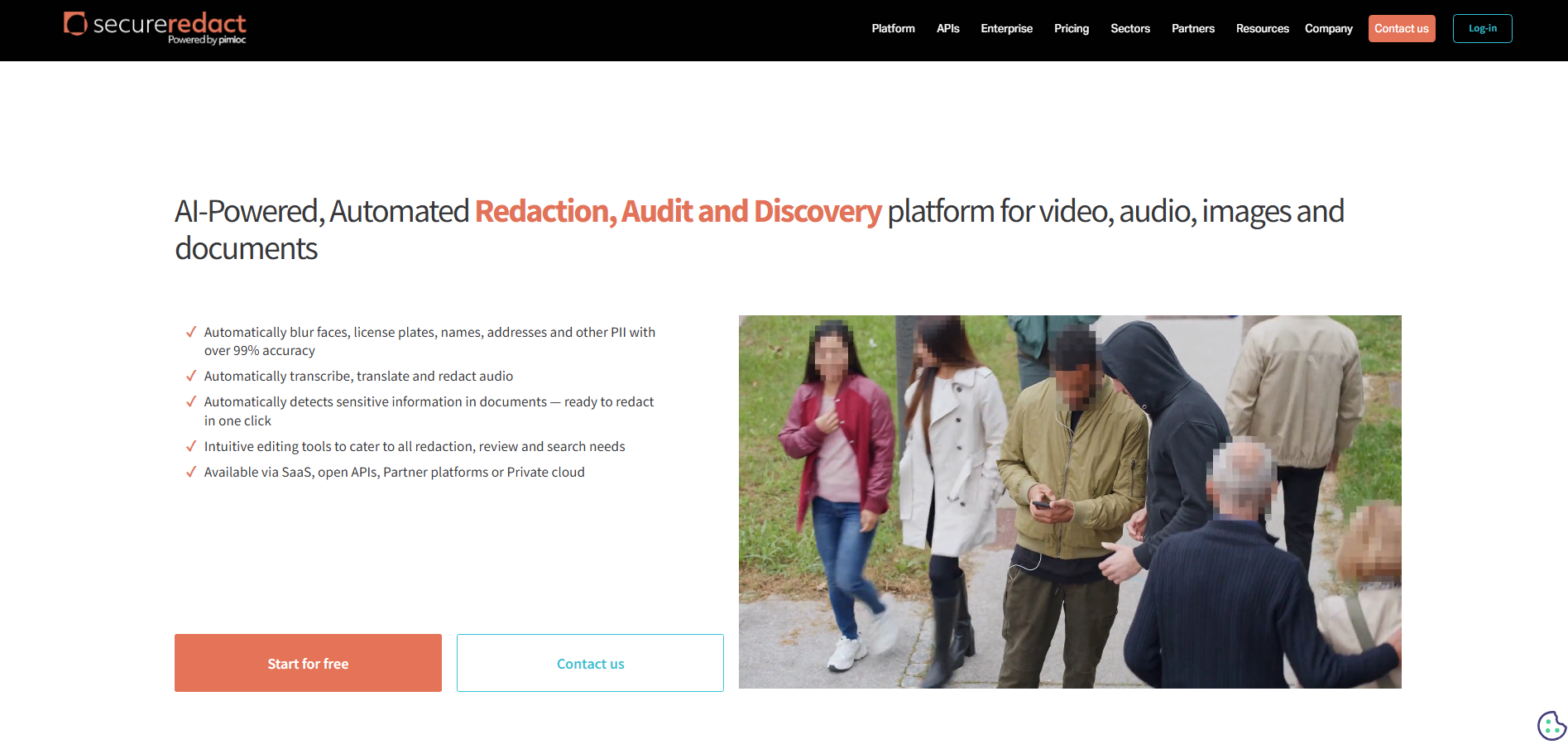
For developers building privacy-sensitive applications, Secure Redact offers far more than basic face blurring. Pimloc has developed a comprehensive privacy automation platform that enables organizations to identify, redact, and manage sensitive information across video, audio, images, and documents through powerful APIs and enterprise-ready workflows.
What sets Secure Redact apart is its focus on operational environments where privacy failures carry significant consequences. Law enforcement agencies, insurers, educational institutions, transportation providers, and security teams rely on the platform to protect sensitive information while maintaining the value and usability of their data.
Rather than providing a simple visual effect, Secure Redact delivers intelligent privacy protection. Developers can integrate automated detection and redaction capabilities directly into existing systems, reducing manual review workloads and supporting compliance initiatives at scale.
Key Features and Benefits
API-driven face detection and automated redaction
Support for video, image, document, and audio workflows
Detection of faces, license plates, screens, and sensitive content
Audio redaction powered by speech recognition technology
High-volume batch processing capabilities
Detailed audit logging for compliance and governance
Flexible cloud, private cloud, and on-premises deployment options
Workflow automation for enterprise-scale operations
Secure sharing and disclosure functionality
Enterprise security controls designed for regulated industries
Why This Solution
Built specifically for privacy-sensitive environments
Supports complex workflows beyond simple face blurring
Helps developers embed privacy-by-design principles
Reduces manual processing and review requirements
Scales effectively across large datasets and video libraries
Best For: Developers building enterprise applications where privacy compliance, automation, and secure data handling are critical requirements.
Visit Secure Redact
2. RapidAPI
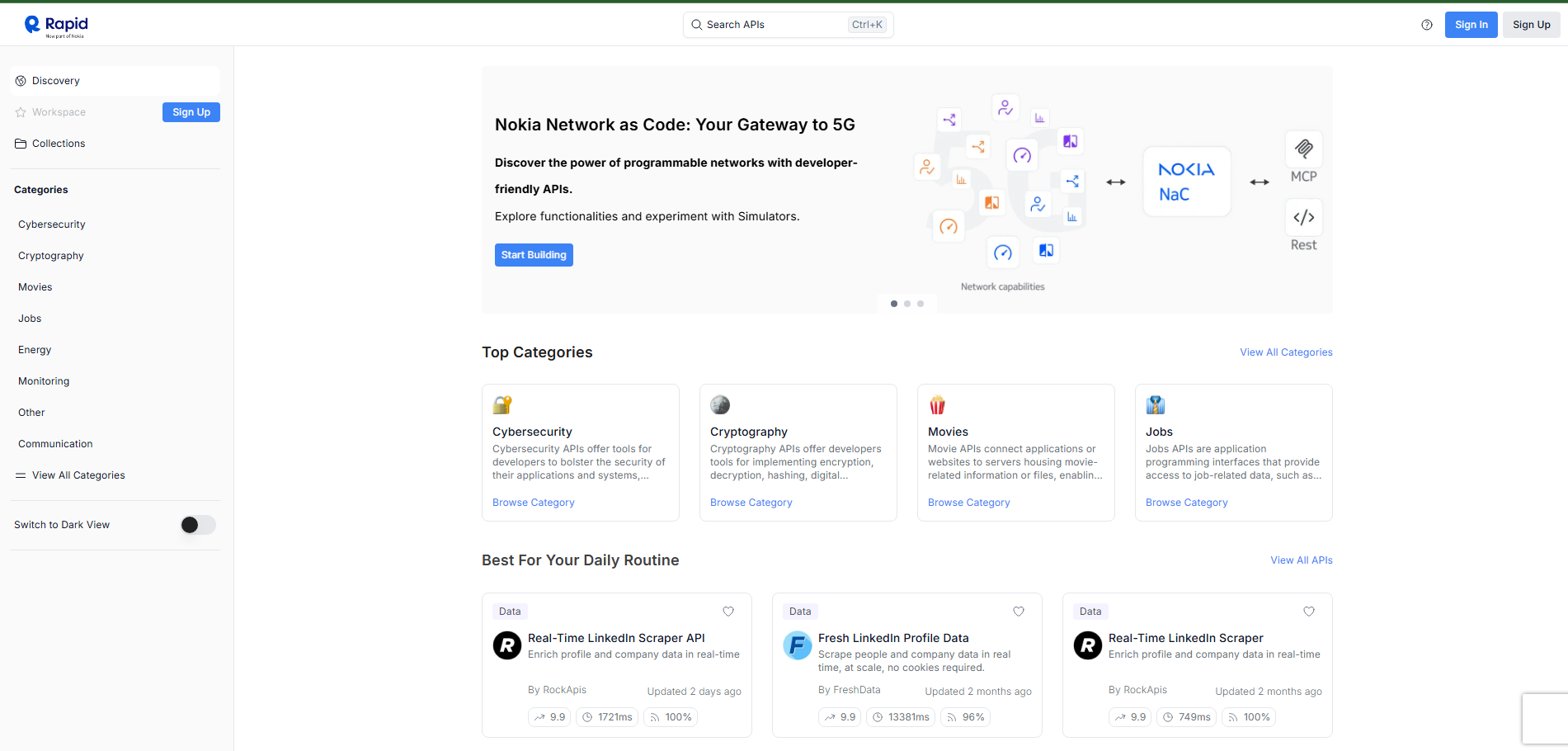
RapidAPI occupies a unique position in the developer ecosystem. Rather than offering a single face-blur solution, it serves as a marketplace where developers can discover, test, and integrate thousands of APIs across multiple categories.
For teams exploring face detection, image processing, or privacy-related functionality, the platform provides access to numerous third-party providers through a unified interface. This flexibility can be valuable when evaluating options or building prototypes quickly.
Its extensive documentation, testing tools, and subscription management features have made it a popular resource among developers looking to accelerate API adoption.
Key Features
Large marketplace of third-party APIs
Unified API management tools
Testing and monitoring capabilities
Developer-focused documentation
Flexible subscription options
Why This Solution
Provides access to multiple face-processing APIs
Simplifies experimentation and evaluation
Reduces integration complexity
Useful for rapid prototyping projects
Supports a broad range of development needs
Best For: Developers seeking a central platform for discovering and managing APIs.
Visit RapidAPI
3. Leonardo.AI

Leonardo.AI is primarily known for generative AI and visual content creation, helping users create, edit, and enhance images through advanced machine learning models. Its platform has attracted attention from designers, creators, marketers, and developers alike.
While privacy protection is not its primary focus, its image-processing capabilities can be applied to workflows involving visual transformation and content modification. Developers working with creative applications may find value in its broad set of AI-powered tools.
The platform reflects the growing convergence between image generation, editing, and automated visual processing technologies.
Key Features
AI-powered image generation
Visual editing and enhancement tools
Developer integration options
Creative workflow automation
Custom AI model capabilities
Why This Solution
Strong visual AI capabilities
Supports innovative content experiences
Useful for image-centric applications
Continues to expand its AI ecosystem
Attractive for creative development projects
Best For: Developers building AI-powered creative and media applications.
Visit Leonardo.AI
4. Fulcrum
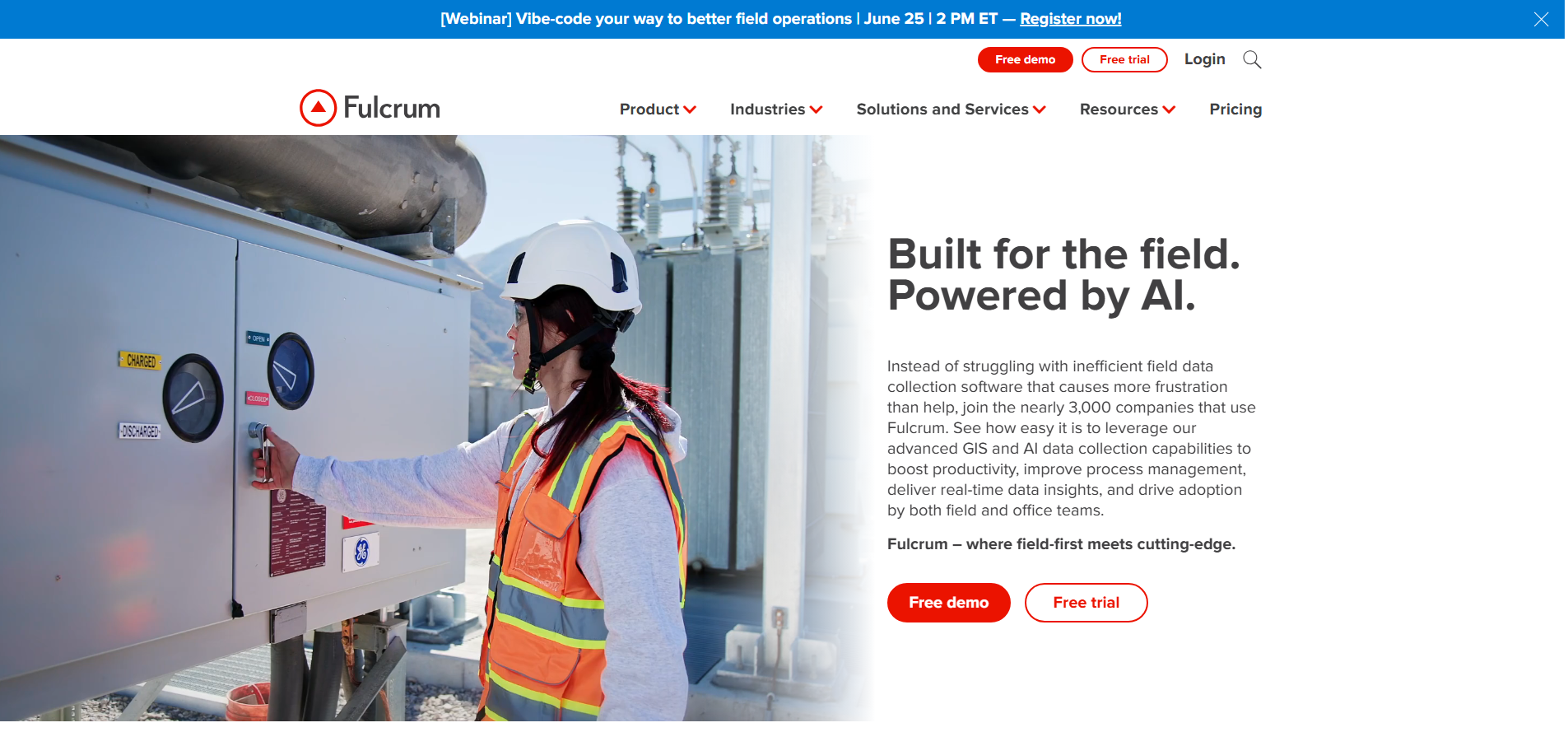
Fulcrum approaches visual data from a completely different angle. The platform specializes in field operations, helping organizations collect, manage, and analyze information gathered through mobile workflows.
Images often form a key component of these processes, whether documenting inspections, infrastructure assessments, environmental surveys, or operational activities. As organizations increasingly consider privacy implications, image management and protection become more important.
Its mobile-first architecture makes Fulcrum particularly useful for teams operating outside traditional office environments.
Key Features
Mobile data collection platform
Geospatial and location-aware workflows
Photo and media capture tools
Workflow customization capabilities
Cloud-based operational management
Why This Solution
Designed around field operations
Supports complex data collection projects
Streamlines mobile workflows
Improves visibility across distributed teams
Integrates operational data and imagery
Best For: Field service organizations, inspectors, utilities, and infrastructure operators.
Visit Fulcrum
5. HaramBlur
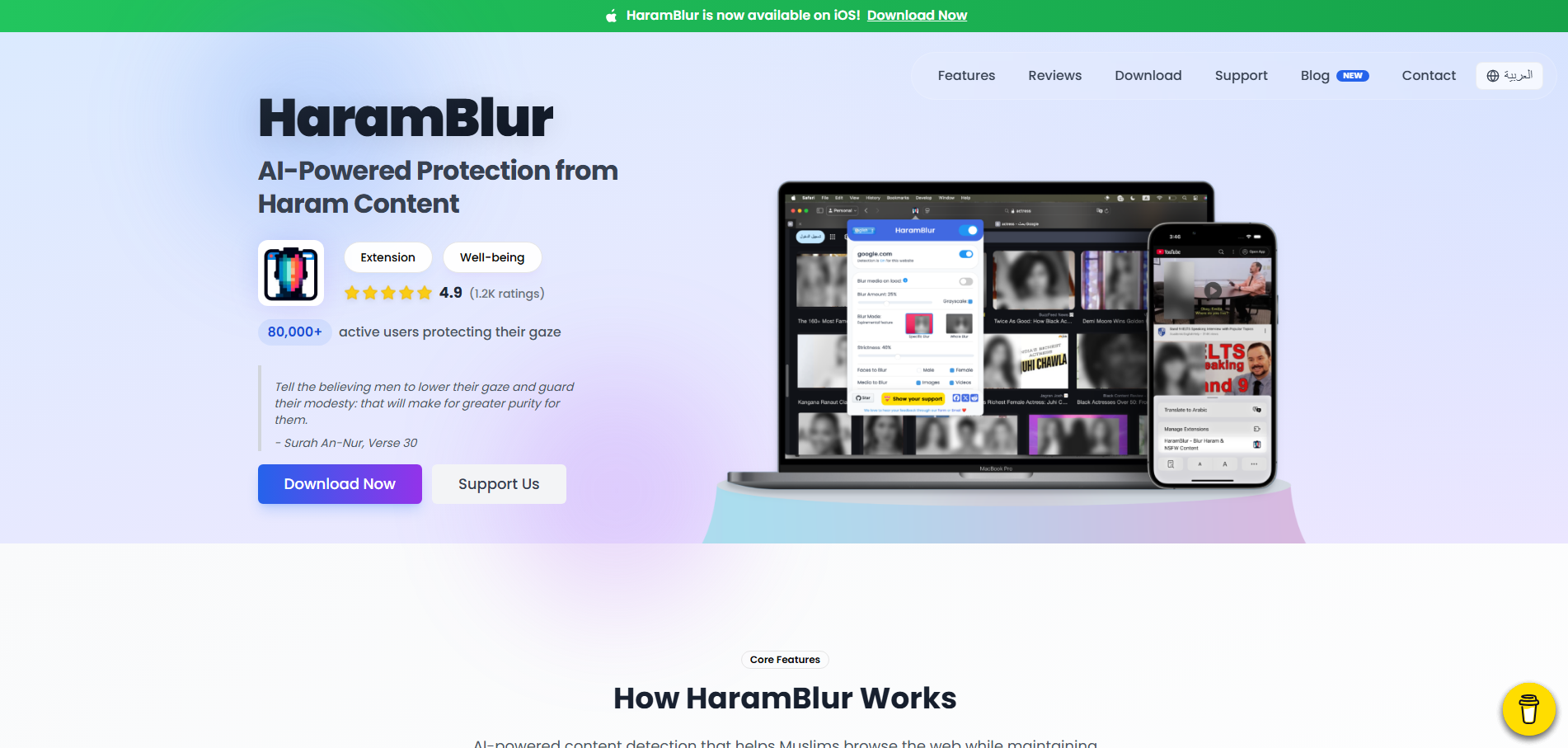
HaramBlur focuses specifically on helping users anonymize visual content by automatically obscuring faces and other identifying features. This privacy-centered approach has attracted creators, privacy advocates, and individuals seeking simple anonymization tools.
Unlike broader enterprise platforms, HaramBlur concentrates on making face blurring accessible and straightforward. This narrower focus can make it appealing for users with specific privacy objectives.
HaramBlur demonstrates how demand for privacy-enhancing technology continues to expand beyond traditional enterprise markets.
Key Features
Automated face detection
Face anonymization tools
Simple privacy-focused workflows
User-friendly interface
Fast image processing
Why This Solution
Dedicated specifically to privacy protection
Easy for users to adopt
Focuses on practical anonymization needs
Accessible for smaller projects
Helps reduce exposure of personal identities
Best For: Content creators and individuals prioritizing privacy protection.
Visit HaramBlur
6. Black Forest Labs
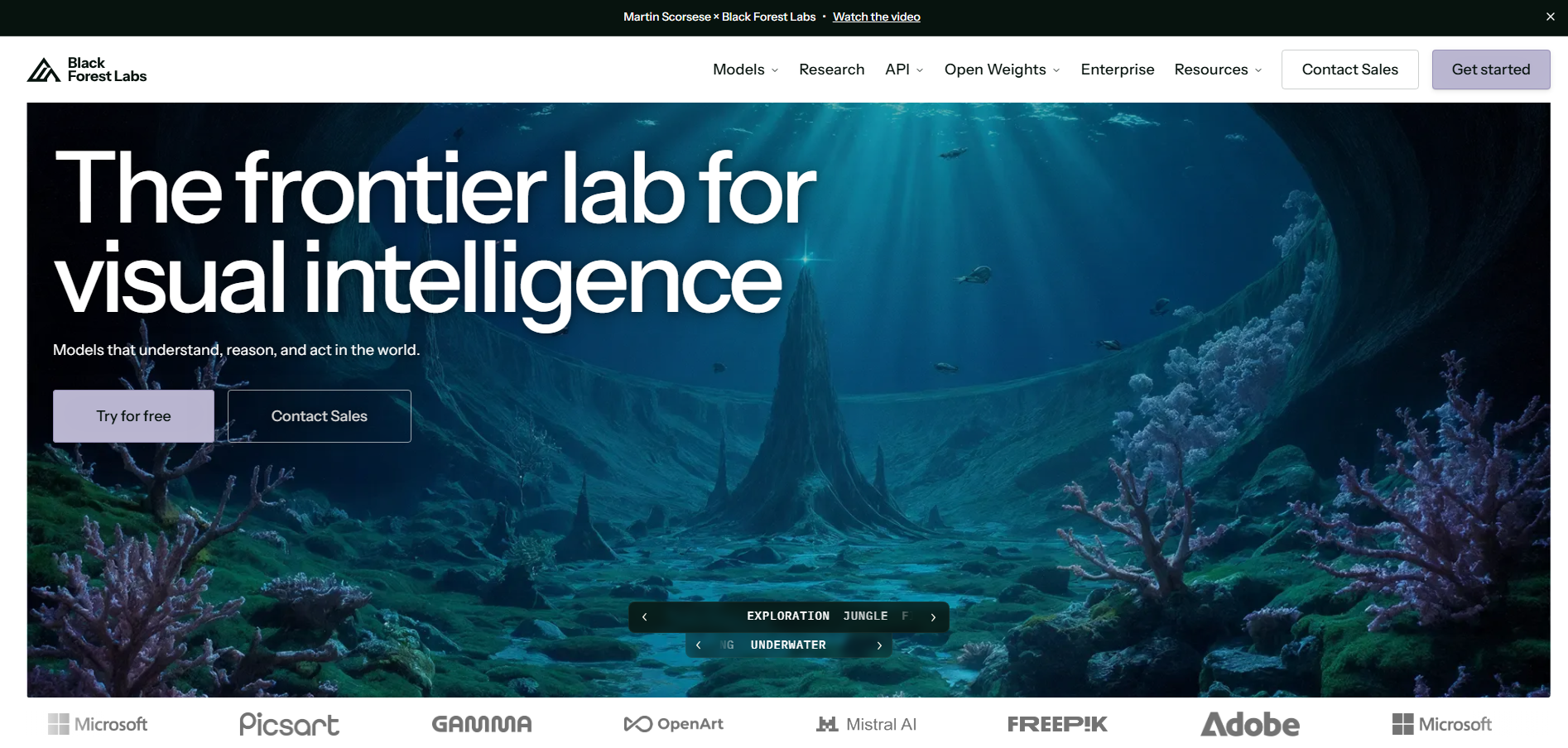
Black Forest Labs has quickly gained recognition within the AI community for its work on advanced generative image models. Its technology focuses on producing high-quality visual outputs while pushing the boundaries of modern AI image processing.
Although face blurring is not its primary market position, its visual AI capabilities create opportunities for developers building sophisticated image-processing applications. The platform appeals to teams interested in leveraging cutting-edge machine learning technology.
Its rapid emergence reflects the pace of innovation currently shaping the AI ecosystem.
Key Features
Advanced generative AI models
Visual content processing
Developer-focused APIs
AI-driven image workflows
High-performance model architecture
Why This Solution
Built around state-of-the-art AI technology
Supports innovative visual applications
Attractive for experimental projects
Flexible integration opportunities
Strong focus on AI advancement
Best For: Developers exploring advanced AI-powered image experiences.
Visit Black Forest Labs
7. bgblur
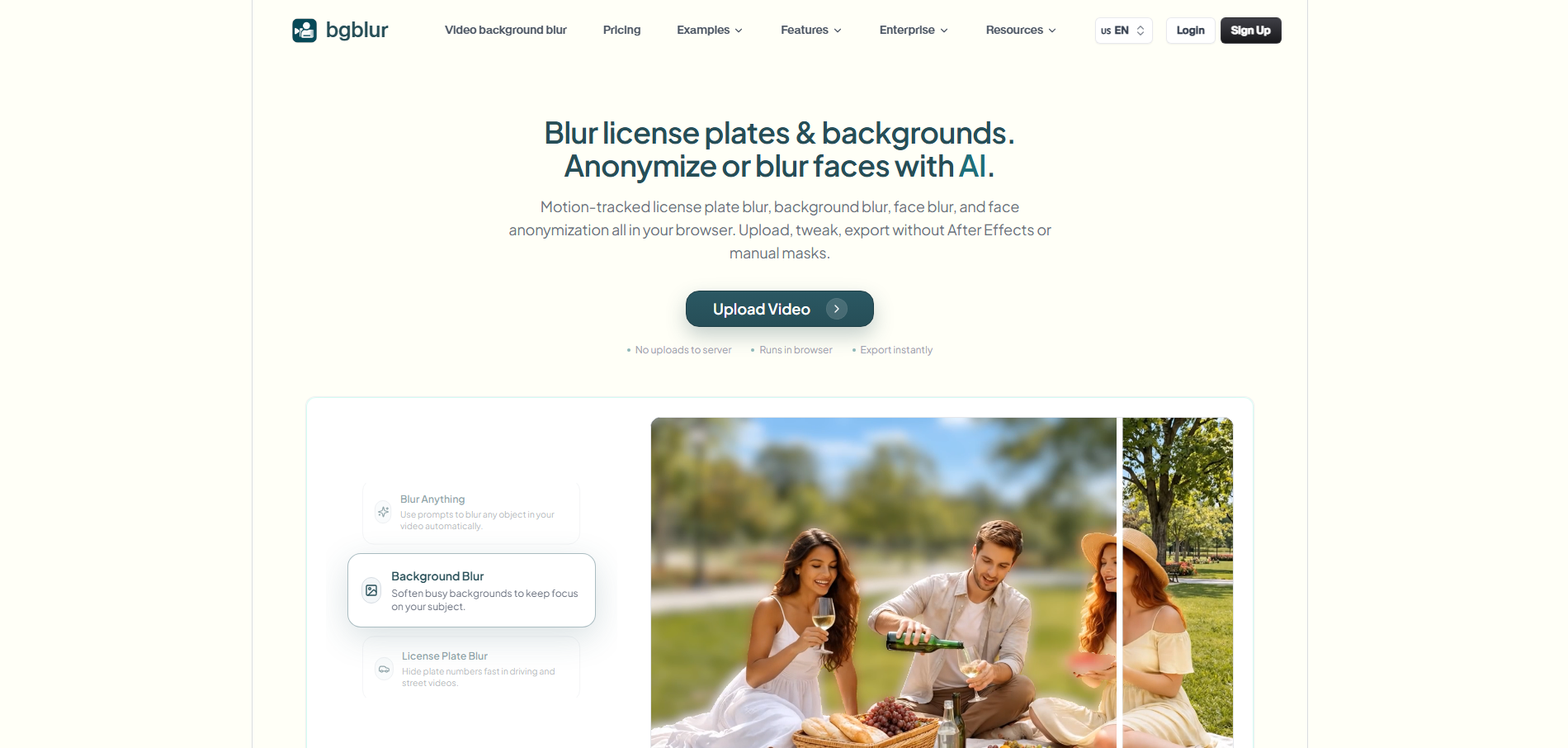
bgblur offers a streamlined approach to image privacy, focusing on face blurring and background anonymization. Its tools are designed to help users quickly protect sensitive information without requiring complex editing workflows.
The platform's simplicity is part of its appeal. Users can process images rapidly, making it useful for straightforward privacy tasks where speed and ease of use matter more than extensive customization.
For organizations seeking lightweight privacy tools, bgblur provides an accessible entry point.
Key Features
Face blur functionality
Background anonymization
Quick image processing
User-friendly interface
Privacy-focused workflows
Why This Solution
Easy to implement and use
Focuses on practical privacy needs
Suitable for smaller projects
Minimal complexity
Supports fast turnaround times
Best For: Individuals and organizations seeking simple image anonymization tools.
Visit bgblur
8. Sightengine
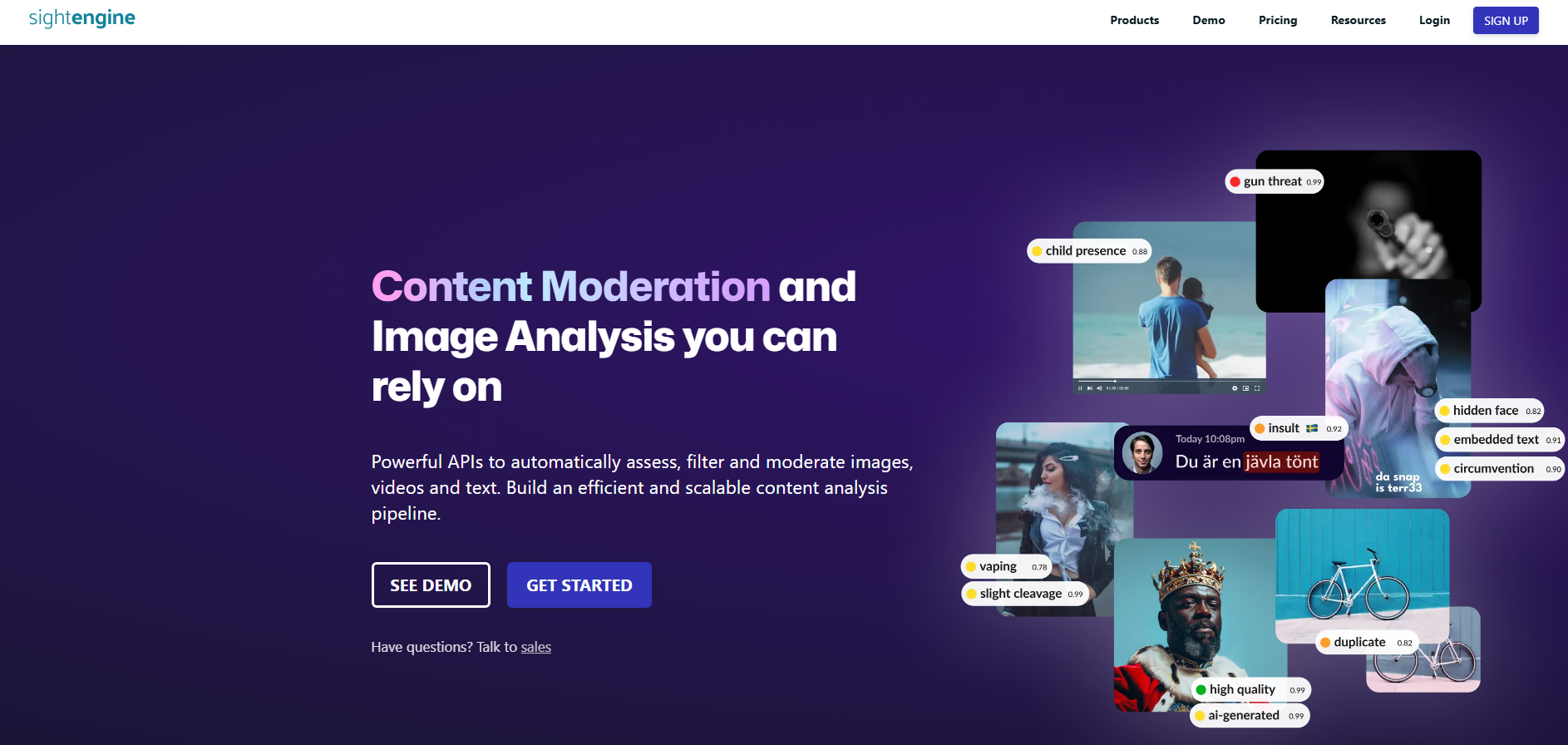
Sightengine is widely recognized within the trust and safety space for its content moderation and image analysis capabilities. The platform helps organizations detect potentially problematic content and enforce moderation policies across user-generated media.
Its technology includes facial analysis and image recognition features that can support privacy-related workflows alongside broader moderation objectives. For platforms managing large volumes of uploaded content, automation becomes particularly valuable.
Rather than focusing solely on privacy, Sightengine helps organizations maintain safer and more compliant digital environments overall.
Key Features
Face detection capabilities
Automated content moderation
Image analysis tools
Compliance and trust & safety features
Scalable API integrations
Why This Solution
Well-suited to content moderation environments
Handles large-scale media analysis
Supports platform governance efforts
Helps automate review workflows
Provides broad image intelligence functionality
Best For: Online platforms, marketplaces, and organizations managing large volumes of user-generated content.
Visit Sightengine
What to look for in a face-blur API
Not all face-blurring solutions are created equally. Developers should evaluate platforms based on technical capabilities, scalability, and long-term suitability for their use case.
Consider the following factors:
Detection accuracy across diverse environments
Video and image processing support
API reliability and documentation quality
Scalability for large workloads
Privacy and compliance capabilities
Real-time versus batch processing options
Security controls and deployment flexibility
Integration with existing workflows
Audit and governance functionality
Support for additional sensitive data types
Frequently asked questions
-
A face-blur API automatically detects faces within images or videos and applies anonymization techniques that obscure identifiable features.
-
Organizations increasingly need to protect personal information when sharing, analyzing, or publishing visual content. Automated face blurring helps reduce privacy risks and support compliance requirements.
-
Many modern solutions support both formats, although capabilities vary significantly between providers.
-
The effectiveness depends on the technology used. Strong privacy-focused platforms typically use methods designed to prevent re-identification rather than simply applying cosmetic effects.
-
Law enforcement, insurance, education, transportation, media, healthcare, security, and smart city initiatives all frequently use face anonymization technologies.
-
Leading AI-powered systems achieve high levels of accuracy, although performance can vary based on image quality, lighting conditions, camera angles, and movement.
-
Yes. APIs are specifically designed to allow developers to embed face detection and anonymization directly into existing products and workflows.
-
Absolutely. Many privacy risks involve additional identifiers such as license plates, documents, computer screens, audio recordings, and other sensitive information that may also require protection.