
Maintaining privacy while recording school events
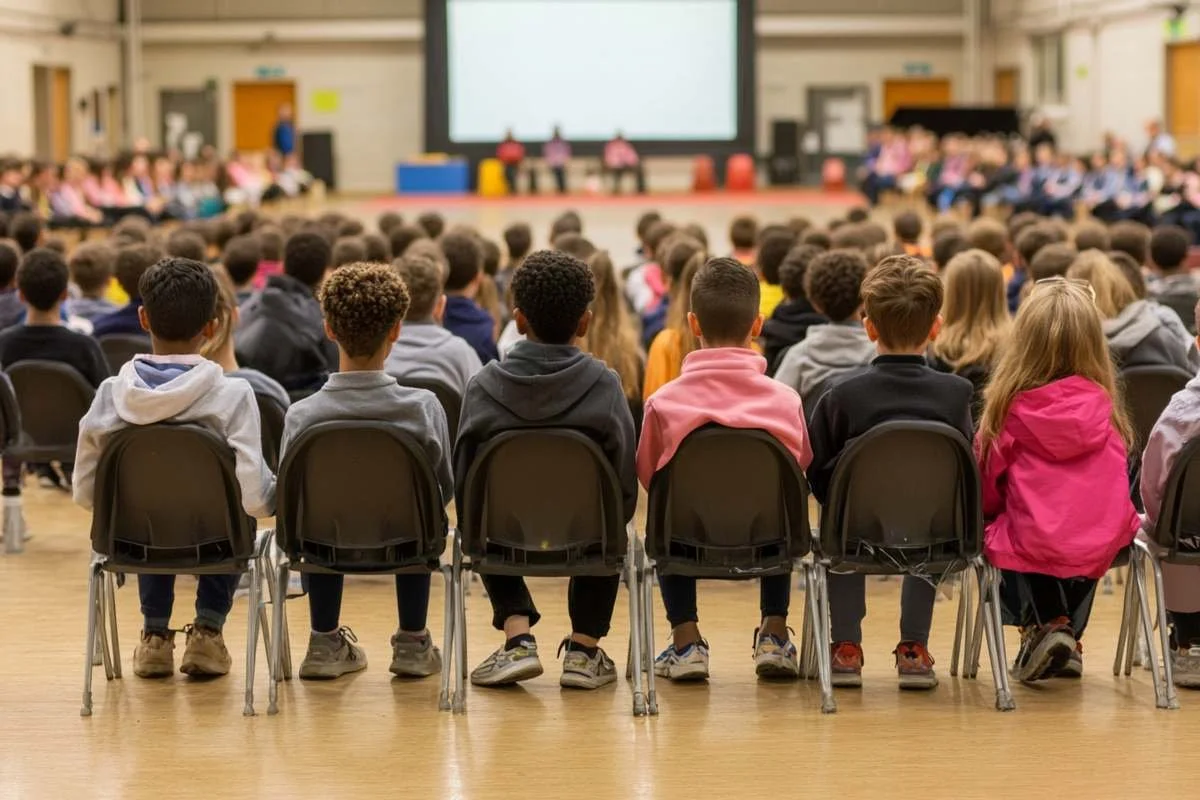
School events, whether your kids are involved in assemblies, sports games, performances, or field trips, capture some of the most memorable moments of a student’s life. They also generate a significant amount of recorded footage, often collected for personal documentation, security, or parent engagement. While recordings can support communication and safety, they also carry inherent privacy risks, particularly when involving students. Without careful handling, videos may expose personally identifiable information (PII) of students, staff, and visitors, creating legal, compliance, and reputational challenges for schools.
In our modern lives, recording technology has become increasingly accessible, from smartphones to professional cameras and surveillance systems, making it easier than ever to capture school events. Yet this accessibility also increases the likelihood of unintentional privacy breaches. Schools must recognize that every recording carries potential legal and ethical obligations, and that proactive privacy management is essential to protect students, staff, and the institution itself.
Why does privacy matter in school recordings?
Footage from school events often captures more than just performances. Background interactions, audience members, and incidental activity can all reveal sensitive information about minors and staff. Laws such as FERPA (Family Educational Rights and Privacy Act) place strict obligations on schools regarding the handling, sharing, and storage of student information. Even recordings intended solely for internal use can pose risks if they are accessed by unauthorized parties or accidentally disclosed. Sharing unredacted footage online, with parents, or across school networks may expose students’ identities or personal details. Protecting privacy is both a regulatory requirement and an ethical responsibility.
Parents and guardians expect that their children’s personal information will be treated responsibly. Incidents of exposure, even unintentional, can undermine confidence and create long-term reputational damage. Schools that adopt proactive privacy measures signal that they take both legal obligations and ethical duties seriously.
Protect student identities through proactive redaction and controlled access policies.

What information needs protection?
Many educators assume privacy concerns are limited to names, addresses, or grade levels, but the reality is broader. Often, people don’t want visual or audio identifiers released just as much as their personal information. These elements can include faces, distinguishing clothing, personal items, and voices captured in announcements, interviews, or candid conversations. Similarly, contextual information, such as classroom locations, schedules, or background interactions, can inadvertently reveal identities when combined with other details. Even seemingly harmless recordings, like a school play or sports event, can unintentionally expose private information.
In addition, recordings often capture third-party information that schools may not immediately recognize as sensitive. Visitors, volunteers, or outside vendors may appear on video, and their presence may also be subject to privacy protections. Recognizing the full scope of identifiable information is the first step in ensuring that all individuals recorded are treated in accordance with applicable privacy requirements.
How should consent be obtained?
Consent is a critical element of privacy compliance. Students, parents, and staff must be informed about what is being recorded, how the recordings will be used, who will have access, and how long they will be retained. Consent should be clearly documented and retrievable, whether through digital forms, signed agreements, or recorded disclosures. Verbal consent provided on the day of an event is insufficient for accountability. Schools should adopt standardized procedures to ensure every recording is supported by defensible consent documentation.
How should recordings be handled responsibly?
Responsible handling of school event recordings requires consistent processes across collection, storage, and sharing. Firstly, original footage should be securely preserved in its native format, with any copies clearly labeled to maintain the integrity of the source material. Then, access should be restricted to staff with a legitimate need, supported by audit trails documenting who viewed or modified each file. Finally, before sharing recordings externally, sensitive content, including student faces, names, or other PII, must be redacted.
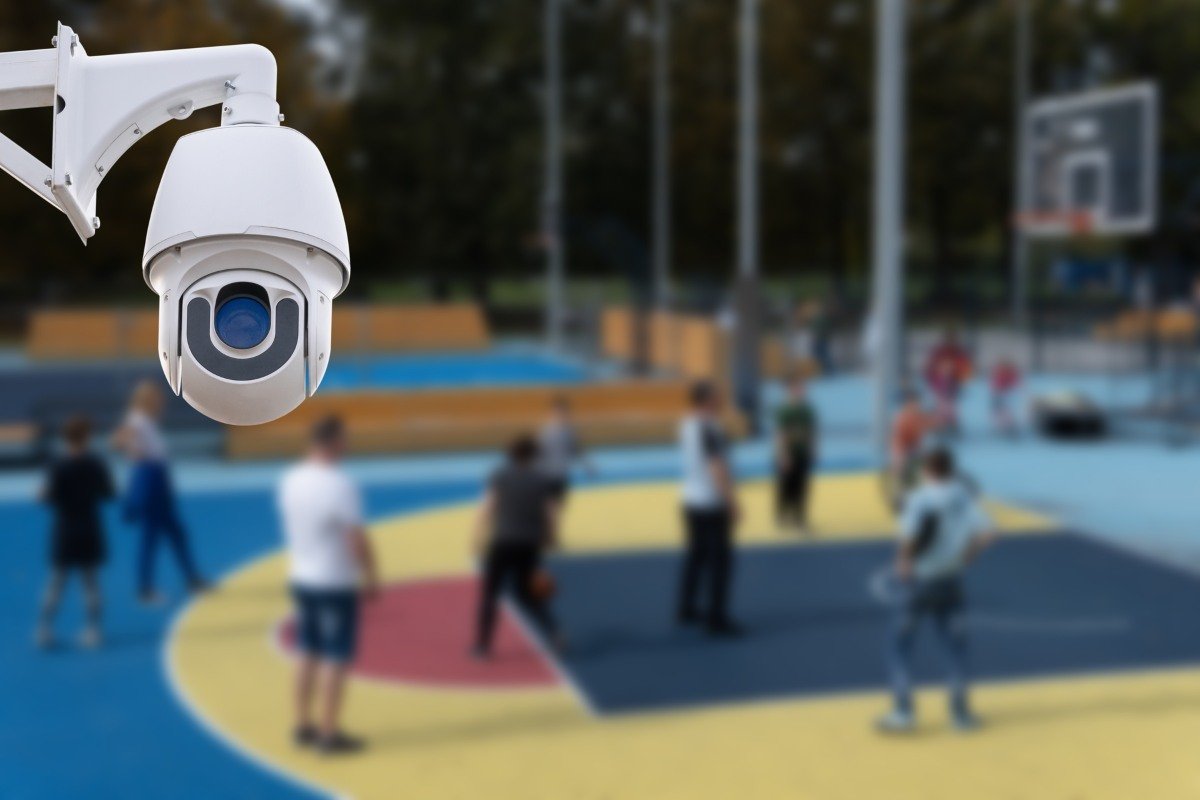
Automated solutions from Pimloc, including compliance-focused redaction tools for education sector, allow schools to manage these processes at scale, producing consistent and verifiable redactions while maintaining defensible records. Following effective workflows for protecting student privacy from school surveillance cameras ensure that all recordings are handled responsibly from capture through distribution.
In practice, redaction is not a one-time task but part of a continuous process. Schools must verify that each recording is reviewed for sensitive content before it is shared, copied, or stored for long-term retention. Documenting every action, from who performed the redaction to the methods used, ensures a defensible chain of custody and reduces liability in the event of a dispute or audit.
Additionally, schools should consider retention and deletion policies as part of responsible handling. Footage should be kept only for as long as necessary for its intended purpose, with systematic, documented deletion afterward.
How can privacy be integrated into school workflows?
Protecting student privacy must be embedded into every stage of the recording process. From event planning and obtaining consent to capturing, storing, and sharing footage, a structured workflow reduces risk and ensures compliance. Standard operating procedures, staff training, and technology integration work together to create a defensible, repeatable system. Schools that treat privacy as an operational priority not only meet legal obligations but also reinforce trust with students, parents, and staff.
How can schools balance engagement and privacy?
Recording school events offers many benefits: it allows families to participate remotely, supports student recognition, and strengthens school communication. However, these benefits must be weighed against privacy obligations. Schools that implement automated redaction, enforce access controls, and maintain clear retention schedules achieve both goals. They can share engaging footage with parents and communities while protecting the identities and sensitive information of students who have not consented to disclosure.
By adopting solutions like Pimloc, schools can handle recordings efficiently at scale. Automated detection ensures that every student’s personal information is consistently protected, while audit trails document compliance. In doing so, schools preserve the educational and engagement value of recordings without compromising privacy.
Ensuring privacy is a structured practice
Recording school events can enrich the student experience, enhance communication, and support safety. However, without disciplined privacy practices, recordings can expose sensitive information and create unnecessary risks. Schools that implement standardized consent protocols will ensure that privacy is embedded into every stage of school recording workflows.