
Managing police evidence requests in educational settings

Schools and academy trusts are increasingly finding themselves at the centre of information-sharing requests from law enforcement agencies. These requests often arise unexpectedly and can involve a wide range of student-related data, including video footage, attendance records, safeguarding logs, and communication records. While schools are not investigative bodies, they frequently hold information that is critical to police inquiries, placing them in a complex position between safeguarding duties and strict data protection obligations.
The challenge lies in balancing cooperation with law enforcement while maintaining compliance within legal frameworks and safeguarding regulations. Information shared with police must be necessary, proportionate, and securely handled. However, in practice, schools often face time pressures, unclear request scopes, and uncertainty about what can legally be disclosed.
As digital monitoring systems, CCTV networks, and classroom technologies become more common in education, the volume and sensitivity of potential evidence has increased significantly. This makes structured handling processes essential. Without them, schools risk inconsistent responses, over-disclosure of personal data, or delays that could impact safeguarding investigations.
Why do police evidence requests arise in schools?
Police evidence requests in educational environments typically originate from safeguarding concerns, criminal investigations, or incidents that occur on or near school premises. These may include allegations involving students, incidents of violence or harassment, missing persons cases, or external threats that require access to school-held information. In many cases, schools are not directly involved in the incident but hold valuable contextual data that supports investigative work.
Increasingly, requests also stem from digital sources such as CCTV footage, access control logs, or device usage records. These systems can capture detailed information about student movements, interactions, and timelines, which can be highly relevant to police inquiries. However, this also means that schools must carefully assess the scope and necessity of each request before sharing any material.
Requests may be made formally or informally, but both require careful handling. Informal requests, in particular, can create risk if staff are not trained to escalate or document them properly. Even well-intentioned cooperation can lead to unintended disclosure of personal or sensitive data if governance procedures are not followed consistently.
Ensure all police evidence requests are assessed for necessity and proportionality before disclosing any information.

What types of student information are requested by police?
The types of information requested by police can vary significantly depending on the nature of the investigation. Common categories include CCTV footage from school premises, attendance records, safeguarding or pastoral notes, incident reports, and communication logs between staff and parents. In some cases, police may also request access to digital platform activity or device usage data where relevant.
Video footage is often among the most frequently requested forms of evidence. This may include corridor cameras, classroom recordings, or external perimeter surveillance. Such footage can contain not only the individuals directly involved in an incident but also bystanders, staff members, and other students who are not relevant to the investigation. This makes careful review and redaction essential before any sharing occurs.
Schools may also be asked to provide contextual information such as behavioural records or safeguarding concerns. While these records are often sensitive and confidential, they may be necessary for police to understand the broader circumstances surrounding an incident. However, disclosure must always be proportionate and aligned with data protection principles, ensuring that only relevant information is shared.
How should schools respond to police evidence requests?
When responding to police evidence requests, schools should follow a structured and documented process to ensure consistency and compliance. The first step is always to verify the legitimacy and scope of the request, ensuring it originates from an authorised officer and clearly defines the information required. Vague or overly broad requests should be clarified before any data is released.
Once validated, schools should assess whether the request is appropriate under applicable US privacy and education laws, most notably the Family Educational Rights and Privacy Act (FERPA). FERPA permits disclosure of student records to law enforcement in specific circumstances, but schools must still apply a necessity and proportionality lens when determining what information can be shared.
In many cases, schools should consult district-level leadership, such as a superintendent, privacy officer, or legal counsel, before releasing records. This ensures that disclosure decisions are consistent with district policy and state-specific student privacy regulations, which can vary significantly across jurisdictions.
Information should only be shared through secure, approved channels, and access must be limited to authorized law enforcement personnel. Schools should maintain a detailed record of what was shared, when it was released, and under what legal authority. This documentation is essential for accountability and internal audit readiness.
What are the legal and safeguarding obligations?
In the United States, schools must navigate a combination of federal privacy laws, state education statutes, and district-level policies when responding to law enforcement requests. The primary federal framework governing student education records is the Family Educational Rights and Privacy Act (FERPA), which restricts disclosure of personally identifiable student information without consent, except under specific permitted conditions.
Law enforcement requests often fall under allowable FERPA exceptions, particularly when disclosures are made in response to a health or safety emergency or when information is provided in compliance with a judicial order or subpoena. However, even when disclosure is legally permitted, schools are still expected to limit the scope of information shared to what is strictly necessary.
Safeguarding obligations remain central throughout this process. Schools have a responsibility to protect student wellbeing while also cooperating with law enforcement in matters involving safety, threats, or criminal activity. This requires careful coordination between administrative staff, school leadership, and district compliance teams.
Confidentiality considerations extend beyond student records to include disciplinary information, counseling records, and third-party data that may appear within school-held documentation. These materials often require careful review before release to ensure that unrelated individuals are not exposed unnecessarily.
Failure to follow proper procedures can expose schools to regulatory complaints, legal scrutiny, and reputational harm, particularly where sensitive student data is disclosed without appropriate justification or documentation.
How does FOIA intersect with police information requests?
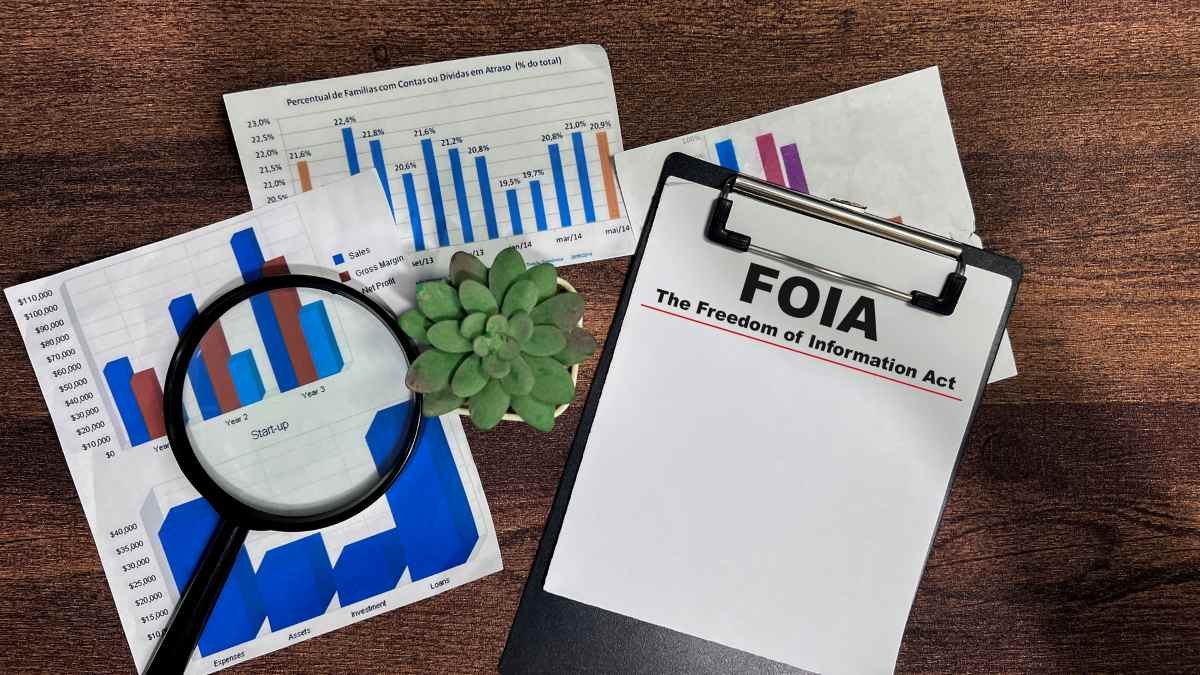
While police evidence requests and Freedom of Information Act (FOIA) requests are distinct processes, they often overlap in practice due to the types of data held by schools. FOIA governs public access to information held by public authorities, including schools, but includes exemptions where disclosure would compromise safeguarding, personal privacy, or ongoing investigations.
In some cases, police-related data may later be subject to FOIA requests, particularly where incidents have been publicly reported or investigated. This creates a need for careful documentation and categorisation of information at the point of creation and disclosure. Schools must be able to justify why certain information was shared or withheld under FOIA exemptions.
Handling FOIA requests in schools properly is essential for ensuring that responses to police inquiries do not conflict with broader transparency obligations. A consistent approach helps schools avoid contradictions between safeguarding disclosures and public information requests, while maintaining compliance with legal frameworks.
The intersection of these two processes highlights the importance of structured information governance. Without it, schools may struggle to maintain clarity over what has been shared, under what authority, and how it aligns with long-term disclosure obligations.
How can schools manage and redact evidence securely?
Managing police evidence requests effectively requires more than procedural awareness; it requires secure systems capable of handling sensitive data appropriately. Schools must ensure that any shared information, particularly video or digital records, is reviewed and processed in a way that protects individuals who are not relevant to an investigation.
This is where structured redaction workflows become essential. Before any footage or records are shared externally, personally identifiable information such as student faces, bystanders, and unrelated third-party data must be reviewed and obscured where necessary. Manual approaches can be time-consuming and inconsistent, particularly when dealing with large volumes of footage.
Pimloc’s Secure Redact platform supports this process by enabling automated identification and removal of sensitive information across video content. This helps schools maintain consistency when handling disclosure requests and reduces the risk of accidental exposure. In practice, tools like this allow institutions to scale their response capability while maintaining strict control over what is ultimately shared.
The importance of using secure workflows becomes even clearer when considering the legal requirement to ensure compliance when sharing student information. Schools must be able to demonstrate that appropriate safeguards were in place at every stage of the process, from initial review through to final disclosure. Secure, auditable systems help ensure that this standard is consistently met.
By embedding secure handling and redaction practices into their information governance framework, schools can respond to police requests efficiently without compromising their safeguarding or data protection responsibilities.
Building safe and defensible information sharing practices
Managing police evidence requests in educational settings requires a careful balance between cooperation, safeguarding, and legal compliance. Schools must be able to respond quickly to legitimate investigations while ensuring that student data is protected at every stage of the process. This balance cannot be achieved through informal practices alone; it requires structured policies, trained staff, and reliable systems.
As the volume and complexity of data held by schools continues to grow, particularly through digital surveillance and recording technologies, the risks associated with information sharing also increase. Without clear governance, even well-intentioned disclosures can lead to compliance breaches or unintended exposure of sensitive information.
By adopting consistent procedures and secure processing tools, schools can create a defensible framework for managing police evidence requests. This ensures that they remain compliant, support safeguarding efforts effectively, and maintain the trust of students, parents, and regulatory bodies.