
The unseen data: Why scene text redaction is a privacy imperative
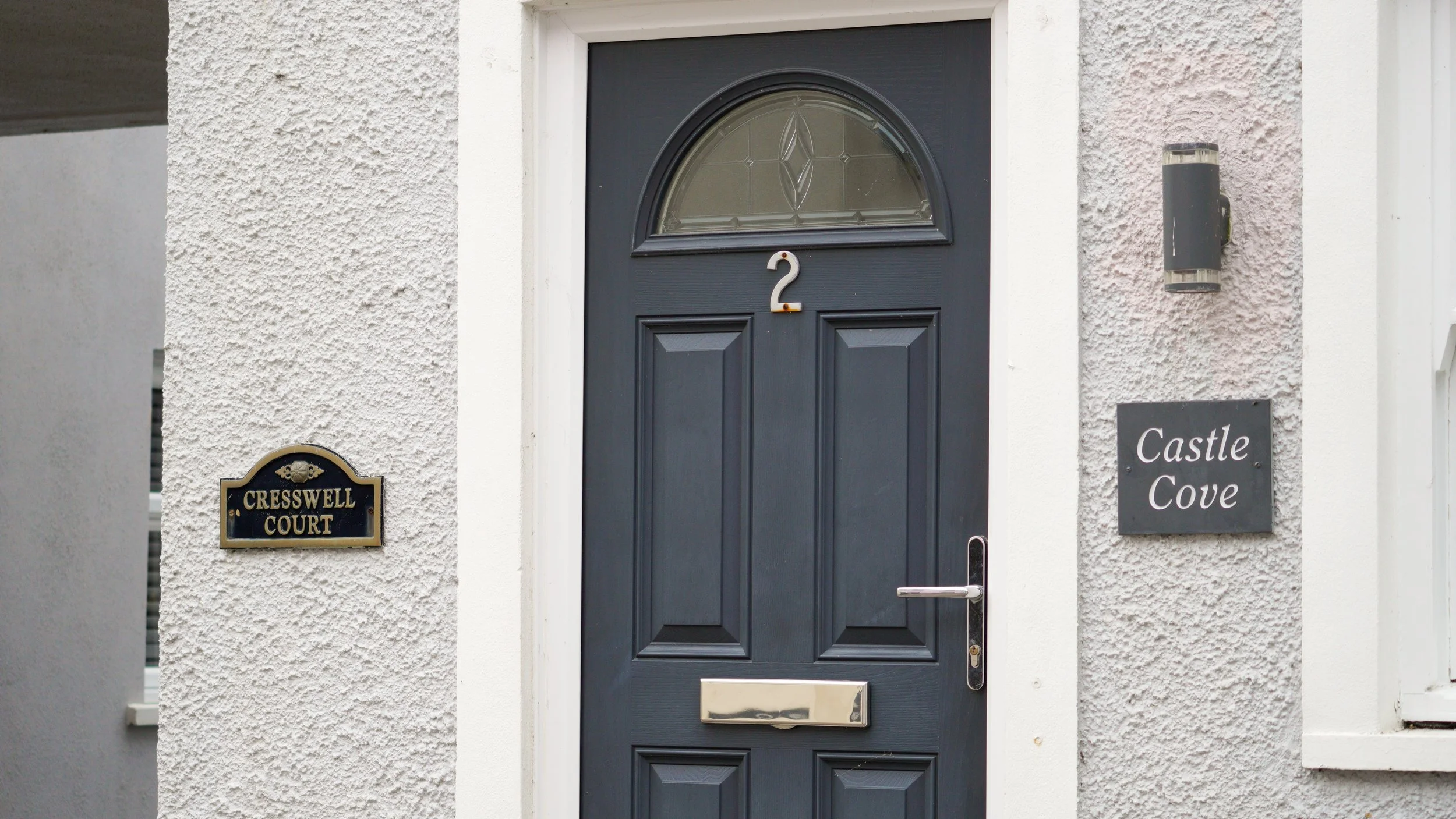
In a world where video cameras are ubiquitous, our surroundings are no longer just visual landscapes; they are data-rich environments. Beyond the faces and voices that have long been the focus of privacy conversations, a wealth of sensitive textual information is captured every day. A single video can contain a street sign, a license plate, a house number, or a patient's name on a hospital chart. This text is just as much a form of Personally Identifiable Information (PII) as a face, yet it is often overlooked in traditional redaction workflows. This is where scene text redaction emerges as a critical and non-negotiable component of modern data privacy.
The unseen data: A multifaceted privacy risk
The risk posed by scene text is multifaceted, impacting a wide range of industries:
Public Safety: A bodycam recording of an incident may inadvertently capture house numbers in video, street names, or license plates of uninvolved vehicles. Releasing this video without proper redaction can compromise the privacy of residents and others in the area.
Transport and Insurance: Dashcam footage, a primary source of evidence for accident claims, contains numerous data points that need to be secured. This includes redacting text in video on license plates, store signs, or even a vehicle's VIN number. For insurance investigators, a claims video might contain a close-up of a damaged property where a handwritten address is visible.
Healthcare: Videos from hospital hallways or operating rooms can contain highly sensitive PII. This includes a patient's name on a chart, information on a computer screen, or even text on a patient wristband. Redacting PII in mobile screen recordings or other video is essential for protecting patient confidentiality and ensuring HIPAA compliance.
Education and Retail: A classroom video used for teacher training may show student names on a whiteboard. A surveillance video from a retail store might inadvertently capture a customer's credit card number on a receipt. Blurring text in video is paramount in these scenarios to protect sensitive data.
Try our automated audio and video redaction solution today.

The challenge of manual text redaction

Manually redacting text in video is a monumental task that is even more difficult than blurring faces. Unlike a face, text can be small, fast-moving, and appear in various sizes and fonts. A manual operator would have to track every instance of text, frame by frame, and apply a redaction filter. This process is incredibly time-consuming, expensive, and highly prone to human error, especially when text appears on a moving vehicle or a screen with changing content. The difficulty of manually redacting scenic text makes traditional methods untenable for a modern organization.
The solution: AI-powered scene text redaction
This is where AI-powered scene text redaction offers a transformative solution. Instead of a manual, frame-by-frame process, intelligent algorithms automatically detect and redact text within a video in a fraction of the time. The technology is designed to:
Automate detection and tracking: The AI instantly detects text on various surfaces and tracks it as it moves through the scene. For example, it can find a license plate on a car and keep it redacted as the car drives past the camera.
Handle complex surfaces: Advanced AI can successfully blurring screens in video or redact text in challenging conditions, such as reflections on a glass surface, text on a computer screen, or a handwritten note.
Offer precision and consistency: The AI applies a consistent level of redaction across every instance of text, minimizing the risk of human error and ensuring that no sensitive information is missed. This allows a user to blur scene text in video with confidence.
From risk to asset: A proactive data strategy
By adopting AI-powered scene text redaction, organizations can move from a reactive, risk-averse position to a proactive, data-driven one. It allows them to safely and compliantly use their video data for its intended purpose—whether it’s for training, analytics, or investigation—without compromising data privacy. The ability to easily redact text in video ensures that the data is both valuable and secure. In today's digital world, a comprehensive privacy strategy for video must now go beyond faces and voices to include the sensitive text that is ubiquitous in our environment.