
Top 3 tools for redacting video, audio and images at once (2025)

Law enforcement agencies, councils, and private organisations handle vast amounts of video and audio data - from CCTV to bodycam and dashcam footage. This material is often critical for investigations, but it also captures personal or sensitive information that can’t legally be shared without anonymisation.
Manual redaction takes hours per file, costs teams valuable time, and leaves room for human error. That’s where automated software comes in. The latest AI-driven redaction tools now detect and obscure faces, plates, screens, and voices across video, audio, and images - all in one place.
Below are the top three multi-media redaction solutions in 2025, trusted by agencies worldwide for speed, accuracy, and compliance.
📊 Comparison table: Multi-media redaction tools (2025)
| Rank | Tool | Media Supported | Notable Features |
|---|---|---|---|
| 1 | Secure Redact (by Pimloc) | Video, audio, images | Auto-detection of faces, plates, screens; audio transcription and redaction; full audit trails; SaaS, API or on-prem deployment |
| 2 | CaseGuard Studio | Video, audio, images | Object tracking, waveform redaction, multilingual transcription, bulk processing, on-premise control |
| 3 | Super.AI Redaction Suite | Video, audio, images | SOC 2, ISO 27001, HIPAA, CCPA, FISMA |
What is redaction and why it’s important
Redaction is the process of hiding or removing sensitive information before data is shared, published, or disclosed. In video or audio evidence, this includes faces, car registrations, documents in view, screens, or even spoken names that could identify someone.
For law enforcement, councils, and security teams, proper redaction is essential to:
Comply with data protection laws such as GDPR, FOIA, and local privacy regulations.
Preserve evidence integrity, allowing footage to be used in court without breaching confidentiality.
Maintain public trust by protecting personal identities while demonstrating transparency.
Reduce human workload and risk, replacing slow manual blurring with fast, auditable automation.
Using AI redaction ensures sensitive data is handled consistently, accurately, and defensibly.
🥇 1. Secure redact (by Pimloc)
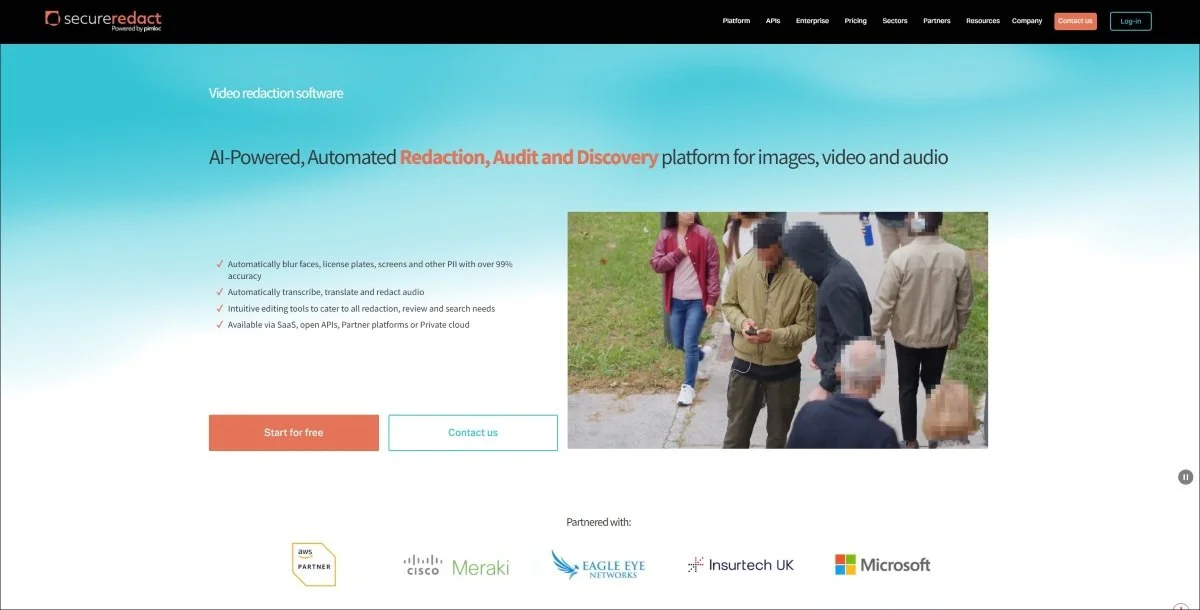
Overview:
Secure Redact is built specifically for organisations processing large volumes of visual and audio data. It automatically detects faces, licence plates, screens, and speech identifiers, applying AI-powered redaction while preserving evidential quality.
Key Features:
Automatic detection of PII in video, images, and audio.
AI transcription with automatic name, place, and date removal.
Seamless integration with evidence-management systems.
Flexible deployment: SaaS, API, private cloud, or on-premise.
Secure audit logs to prove chain of custody.
Why Choose Them:
High detection accuracy (over 99 percent PII coverage claimed).
Designed around GDPR and FOI compliance.
Already trusted by UK and EU police forces and councils.
👉 Visit Secure Redact: https://www.secureredact.ai/
2. Caseguard studio
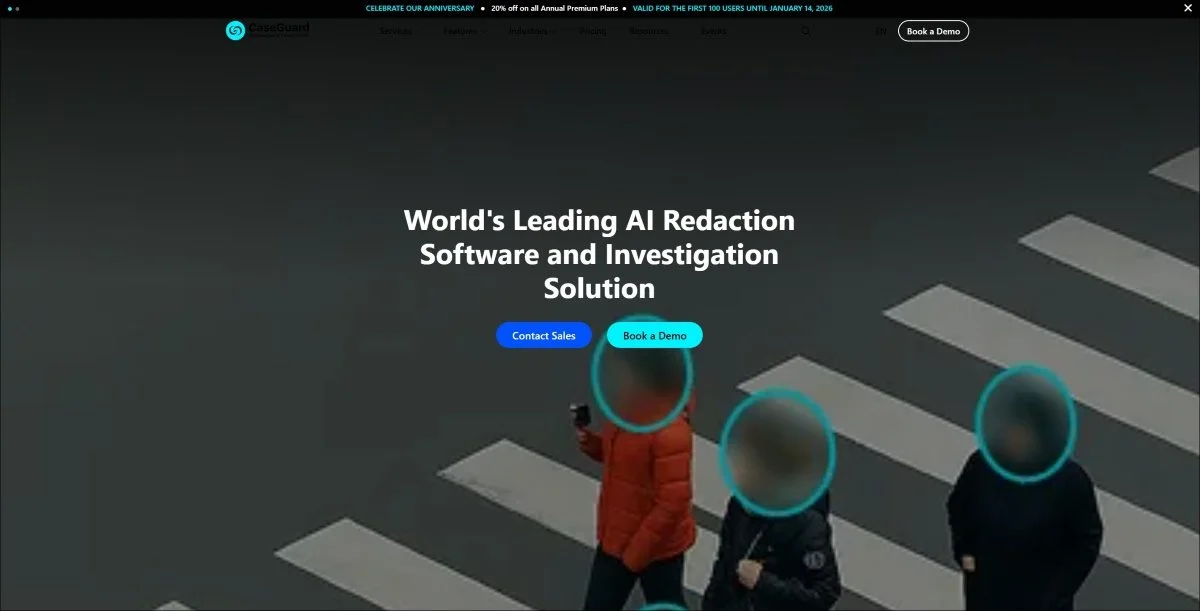
Overview:
CaseGuard Studio provides end-to-end redaction for video, audio, and images from one intuitive interface. It’s favoured by agencies and legal teams needing robust on-prem control and scalability.
Key Features:
AI detection for faces, licence plates, objects, and text.
Audio waveform redaction with transcript export.
Batch automation for high-volume processing.
Audit trails for evidential admissibility.
Why Choose Them:
Handles all major file types in a single platform.
Offers on-prem deployment for strict data-handling policies.
Built to process hundreds of hours of footage efficiently.
3. Super.ai redaction suite
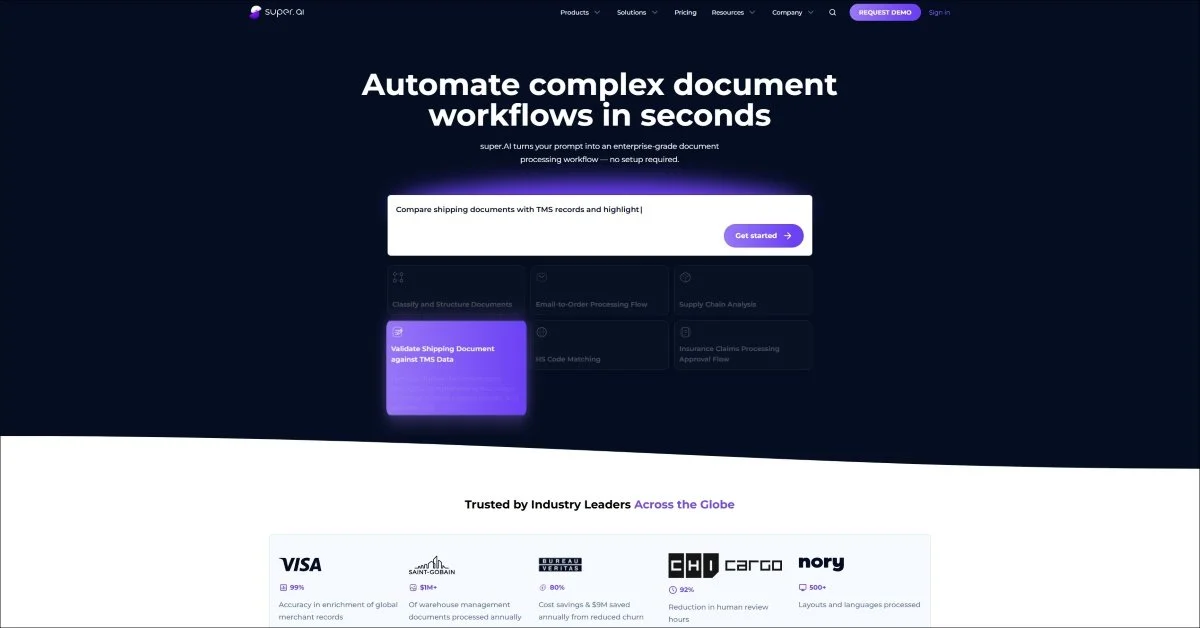
Overview:
Super.AI’s redaction suite anonymises video, audio, and image content through advanced AI workflows. It’s well-suited to large organisations needing flexible APIs or hybrid human-in-the-loop review.
Key Features:
Unified redaction for video, audio, and images.
Supports detection of faces, plates, screens, and documents.
Hybrid automation + human quality review for precision.
Bulk processing for enterprise-scale workloads.
Why Choose Them:
Perfect for data-heavy agencies and research environments.
Easy API integration into existing systems.
Combines automation speed with human oversight.
What to look for in a multi-media redaction tool
Full Media Coverage: Choose a platform that can process video, images, and audio within one system.
Accuracy & Tracking: Consistent AI detection of faces, plates, and text across frames is essential.
Audio Redaction: Automatic transcript and spoken-word anonymisation improves compliance.
Deployment Options: Cloud, hybrid, or on-premise depending on your data-security rules.
Audit Trails: Always confirm the tool logs all actions for evidential defence.
Scalability: Ensure it can process bulk uploads without lag or manual bottlenecks.
FAQs
-
Yes. Solutions like Secure Redact and CaseGuard Studio have built-in modules for each media type, allowing agencies to manage everything from a single dashboard rather than juggling multiple programs.
-
No - automation drastically cuts workload, but human oversight remains essential for accuracy and evidential sign-off. Redaction teams typically review final output to confirm nothing identifiable remains before footage is released.
-
Secure Redact is specifically designed for policing, public-sector, and compliance workflows, offering GDPR-aligned features, secure hosting, and high accuracy for faces, plates, and voices.
-
A 10-minute video can take hours to redact manually. AI-powered tools process the same clip in minutes, cutting workloads by over 90 percent and allowing faster FOI and SAR response times.
-
Yes - all three platforms maintain original files, provide audit logs, and record chain-of-custody data, ensuring the edited footage remains legally defensible.
Conclusion
The rise of AI-driven redaction has transformed how evidence and surveillance footage are managed. Tools like Secure Redact, CaseGuard Studio, and Super.AI Redaction Suite make it possible to process mixed-media data quickly, securely, and within regulatory frameworks.
For agencies and compliance teams, adopting an automated system is no longer optional - it’s the most efficient, defensible way to protect privacy while maintaining transparency.